
Bathroom Sink Drain Clogs in Thousand Oaks
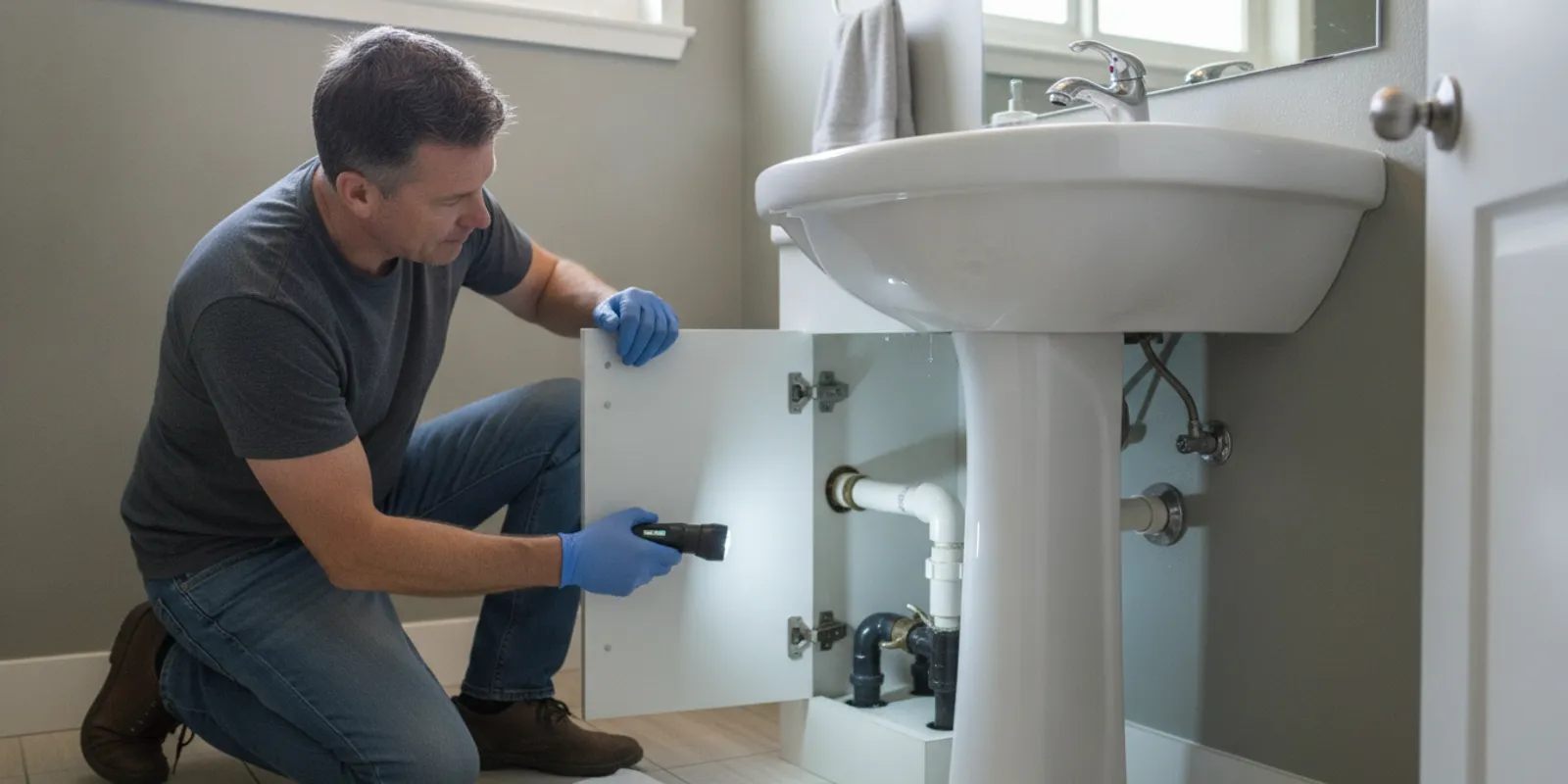
A bathroom sink drain clogged in Thousand Oaks can start with something small near the stopper, such as hair or toothpaste residue, and then become a larger disruption when water will not drain. The safest response is to identify the pattern, try only low-risk checks, and stop before a stuck fitting, chemical residue, or leak creates additional damage.
What causes a bathroom sink drain clogged in Thousand Oaks?
Bathroom sink clogs usually develop from materials that enter the drain during ordinary routines. Hair can collect around the pop-up stopper and act like a net. Soap scum, skin oils, shaving residue, and toothpaste can cling to that hair and to the inside of the drain assembly. A stopper that does not lift completely may also leave a narrow passage where debris accumulates.
The restriction may be close to the opening, but it is not always visible from above. Water and residue can settle in the P-trap, the curved section of pipe below the basin. If the P-trap is clear, the obstruction may be farther along the branch line that serves the sink. Older fittings, mineral scale, or a damaged connection can affect drainage as well. A slow sink does not, by itself, prove which part needs attention.
Start by asking whether the issue is limited to one sink. If a bathtub, shower, toilet, or another sink is also slow, the problem may involve a shared drain route. Gurgling, water movement in another fixture, or a backup after using a nearby fixture deserves more caution than a small amount of visible hair at one stopper.
How can you check a bathroom sink drain clogged in Thousand Oaks safely?
Safety matters more than speed. Stop running water if the basin is close to overflowing. Move items away from the cabinet and keep a towel or shallow container nearby. Use a flashlight to look at the stopper and drain opening. Remove only debris that is easy to reach with gloved fingers or a disposable tool. Do not force a rigid object into the drain, because it can push material deeper or damage the stopper assembly.
Clean the visible stopper area
If the stopper lifts out without force, inspect it for hair and soft buildup. Some sink designs require releasing a linkage below the basin, while others allow the stopper to be lifted from above. Do not twist or pull hard when the mechanism feels stuck. Wipe the reachable parts, reinstall them carefully, and check that the stopper moves normally.
Run a small amount of warm tap water to test the result. Avoid boiling water. Very hot water can damage some finishes, seals, or plastic components, and it is not a dependable solution for every type of clog. If the sink remains slow after visible debris is removed, repeating the same step is unlikely to address a deeper restriction.
Consider a plunger only in the right circumstances
A sink plunger may help with a minor obstruction when no chemical drain product has been used. Add enough water to cover the plunger cup, seal the overflow opening with a damp cloth, and use controlled strokes rather than forceful, repeated pressure. Remove nearby items first in case water splashes. Stop if the basin, fittings, or drain assembly shifts.
Never plunge a drain after chemical cleaner has been poured into it. The liquid may splash onto skin or into the eyes. Do not mix drain products with one another, bleach, or household cleaners. If a product has been used, follow its label, ventilate the area as directed, and tell anyone who may work on the drain what was used and when.
Should you open the P-trap?
Only consider a P-trap check when the trap is accessible, the fittings appear sound, and you can work without forcing anything. Place a pan underneath before loosening a connection, because the trap can contain standing water and debris. Keep track of washers and seals, and check for leaks after reassembly. Stop if a fitting is corroded, damaged, stuck, difficult to reach, or connected to a system you do not understand.
Do not open the trap when chemical residue may still be present. A leak under the sink can damage the cabinet and flooring, even if the sink appears to drain afterward. If you are not comfortable containing the water or restoring a watertight connection, professional help is the safer choice. Conejo Bros Plumbing provides drain cleaning in Thousand Oaks and can use the symptoms and your prior attempts to guide the evaluation.
What do sink symptoms tell you about the likely problem?
Symptoms can help organize the next step, but they cannot identify the exact blockage without inspection. Record whether water drains slowly or not at all, whether it rises before draining, and whether the condition changes after cleaning the stopper. Notice odors, gurgling, or water movement in another fixture. This information is more useful than guessing based on one symptom.
| What you notice | What it may suggest | Practical next step |
|---|---|---|
| Hair or residue visible at one stopper | Local obstruction near the opening | Remove reachable debris gently and retest. |
| One sink remains slow after stopper cleaning | P-trap or branch-line restriction | Avoid pushing objects down and arrange an evaluation if it persists. |
| Several fixtures drain slowly | Possible shared drain or sewer concern | Limit water use and seek professional guidance. |
| Gurgling or water movement elsewhere | Air or water displaced through a connected route | Stop experimenting with chemicals and report all affected fixtures. |
| Water leaks into the cabinet | Loose, damaged, or poorly sealed connection | Stop using the sink if needed and have the connection checked. |
| Drain improves briefly, then slows again | Material may remain farther in the line | Record how quickly it returns rather than repeating a risky treatment. |
A single slow basin with visible hair is different from a sink that backs up whenever a washing machine or nearby fixture runs. The second pattern can point to a route beyond the sink itself. It still does not establish the precise cause, but it is a reason to avoid treating the problem as a simple stopper cleaning.
How do you compare DIY checks with professional drain clearing?
DIY checks are most reasonable when the obstruction is visible, close to the opening, and easy to remove without force. They become less suitable when the drain is completely blocked, the issue keeps returning, or access requires dismantling plumbing. The objective is not to try every tool in sequence. A low-risk check followed by an informed service call is often better than pushing debris farther into the line or creating a leak.
| Option | When it may fit | Important limitation |
|---|---|---|
| Stopper cleaning | Hair or soft residue is visible | Do not force a stuck stopper or linkage. |
| Careful plunging | Minor clog and no chemical product used | Seal the overflow and stop if fittings move. |
| P-trap inspection | Trap is accessible and connections are sound | Contain water, protect seals, and check for leaks. |
| Professional drain clearing | Persistent, recurring, deep, or widespread symptoms | Share the complete history of products and attempts. |
| Camera inspection | Recurring symptoms or concern about the line beyond the trap | It should be considered based on findings, not assumed for every small clog. |
Professional clearing is worth discussing when basic checks do not restore normal drainage, when the same sink slows again soon afterward, or when the restriction appears to be beyond the trap. Conejo Bros Plumbing also offers professional drain clearing and drain camera inspection information. A camera is not necessary for every bathroom sink problem, but recurring or unexplained symptoms may justify asking whether it would add useful information.
Before requesting service, you can review the company's drain and plumbing service information. Do not assume an online service description can diagnose your particular sink. The useful comparison is between the symptoms, the access available, and the least disruptive step that can identify or clear the restriction.
When should you contact a drain professional?
Contact a drain professional when the sink will not drain after a safe visible-debris check, when the clog returns, or when the P-trap is inaccessible or damaged. Prompt attention is especially sensible when water backs up into another fixture, several drains are slow, the basin may overflow, or a leak appears below the sink. Do not keep using a fixture that is leaking into the cabinet.
Call out the difference between a local bathroom sink issue and a wider drainage concern. If only the sink is slow, explain that. If a shower, tub, toilet, or other sink is affected, mention each one. Also report gurgling, odors, standing water, recent plumbing work, and any chemical product used. This helps the technician plan a safer evaluation instead of starting with an incomplete picture.
For a bathroom sink drain clogged in Thousand Oaks, Conejo Bros Plumbing serves Thousand Oaks and nearby Conejo Valley communities. See the Thousand Oaks service page or contact the team with the details of the problem. You can also read customer reviews while comparing your options.
How can you prevent repeat bathroom sink clogs?
Prevention starts with keeping hair and thick residue out of the drain. Wipe loose hair from shaving or grooming into the trash rather than rinsing it away. Remove visible buildup from the stopper as part of ordinary bathroom cleaning. A properly fitting drain cover may catch loose hair, but it should not interfere with the stopper or reduce the sink's safe drainage.
UC Irvine Student Housing guidance identifies hair as a frequent contributor to sink and tub clogs and advises keeping it out of drains. That practical advice applies to everyday maintenance, but it does not replace an evaluation when a clog is recurring or affects multiple fixtures.
Do not use chemical drain cleaner as routine maintenance. These products may not remove the material causing a recurring restriction, and residue can make later plunging or trap work hazardous. If the drain slows again shortly after clearing, write down when it happened, what fixtures were used, and whether water backed up elsewhere. A pattern can help distinguish a local maintenance issue from a line problem.
What should you prepare before asking for service?
Gather observations without taking apart plumbing that you cannot safely restore. Note when the sink first slowed, whether it drains partially or not at all, and whether the problem developed gradually or followed a particular event. Check other fixtures briefly without creating an overflow. Record any odor, gurgling, leak, standing water, or change after cleaning the stopper.
- Tell the team which fixtures are affected and whether they share a bathroom or nearby area.
- Explain what you removed, plunged, opened, or reassembled.
- Identify every chemical product used, including approximately when it was applied.
- Describe whether the sink improves temporarily and how quickly the slowdown returns.
- Keep the area around the cabinet clear so the connection can be viewed safely.
If water is actively leaking, stop using the sink and place a container beneath the drip only if it is safe to do so. Renters should notify the property manager and follow the lease process before attempting repairs. Homeowners should avoid turning a minor clog into cabinet, flooring, or connection damage by continuing to use a leaking fixture.
When could a bathroom sink problem involve public works?
Most bathroom sink clogs begin within the property's plumbing, but a professional evaluation can help separate a private-line issue from a concern beyond the property. If several fixtures are affected, neighboring properties report similar backups, or an exterior cleanout is involved, ask where responsibility may change. Do not open a street or public access point yourself.
Conejo Bros Plumbing has a public works specialists resource covering coordination topics such as DWP and city public works, street-lateral replacement, traffic control, city planning and permits, septic-to-city-sewer rerouting, and pre-construction plumbing bids. A simple bathroom sink clog does not automatically require public-works coordination, but recognizing the boundary can prevent the wrong repair assumption.
Frequently asked questions
Can hair and toothpaste clog a bathroom sink?
Yes. Hair can collect around the stopper, and toothpaste, soap residue, and grooming debris can adhere to it or to the drain assembly. Remove only reachable material without forcing the stopper or pushing an object down the pipe.
Is it safe to remove a P-trap?
Only when it is accessible, the fittings are in good condition, and you can contain the water and restore a watertight connection. Stop if anything is stuck, corroded, damaged, or exposed to chemical residue. Check carefully for leaks after reassembly.
Should you use chemical drain cleaner?
Do not mix drain products with one another or household cleaners. If a product has already been used, follow its label and tell the professional what was used. Avoid plunging or opening the trap while chemical residue may remain.
Why is the sink still slow after the stopper is cleaned?
The restriction may be in the P-trap or farther along the branch line. A drain that repeatedly slows, affects other fixtures, or produces gurgling deserves evaluation rather than repeated attempts to push material deeper.
Does every small sink clog need a camera inspection?
No. A camera is not automatically needed for a visible, isolated obstruction that clears safely. Recurring, unexplained, or deeper symptoms may be a reason to ask whether camera information would help determine the next step.
Request professional drain clearing today
Careful checks may resolve a minor obstruction, but persistent, recurring, leaking, or widespread drainage symptoms are a good reason to have the sink and connected line assessed.