
Drainage Maintenance in Thousand Oaks: Homeowner Guide
By Tiago Alkana
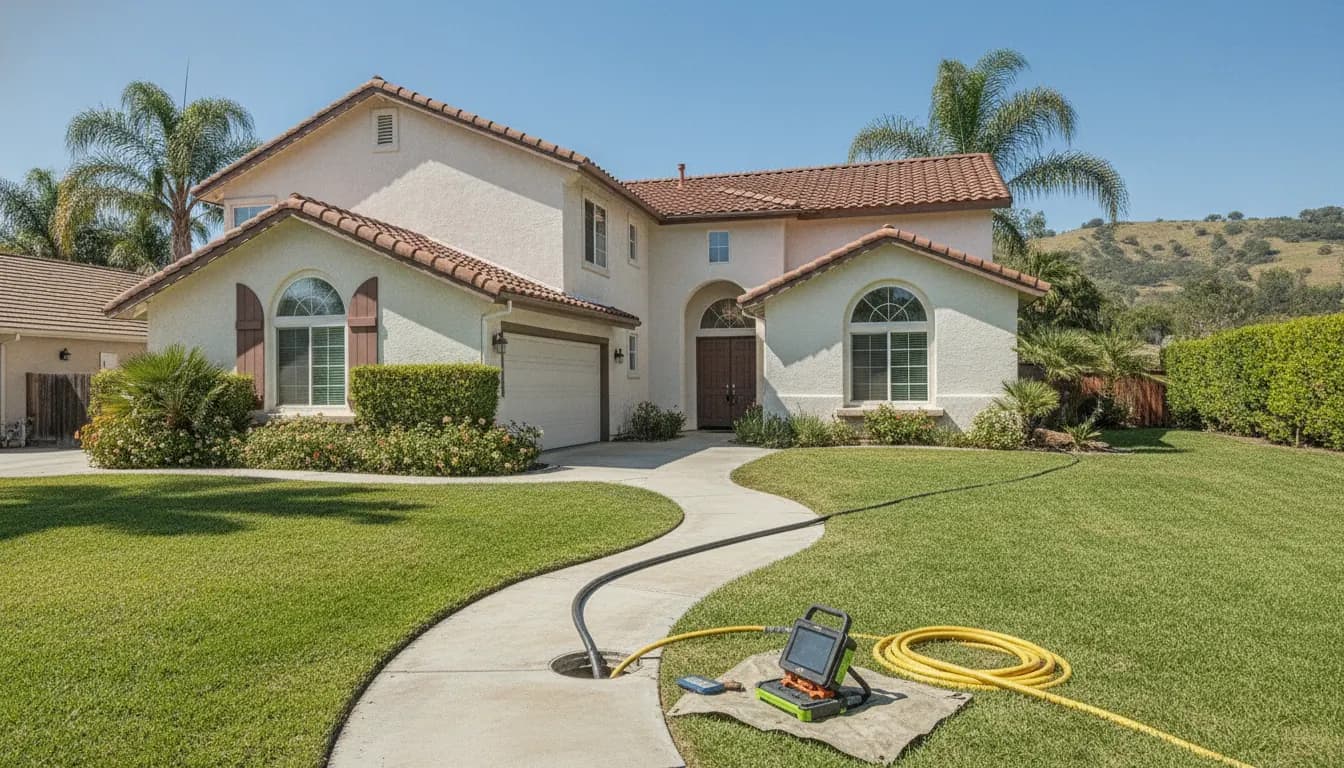
Drainage maintenance in Thousand Oaks is proactive care for the drains, sewer lines, and outdoor drainage around your property. It can include an access review, symptom-based cleaning, inspection when recurring problems justify it, and safe habits between service calls. The goal is to understand a developing problem before it becomes a disruptive backup.
Schedule a drain maintenance evaluation today
What does drainage maintenance in Thousand Oaks include?
Drainage maintenance starts with understanding how your property is behaving, not with a one-size-fits-all schedule. A professional review can connect slow fixtures, odors, backups, and outdoor pooling to the right next step, then verify flow after service. The scope may involve drain clearing, inspection, or a recommendation for further repair.
A practical maintenance process commonly includes:
- Symptom and access review: Note which fixtures are affected, when symptoms occur, and whether a cleanout or other access point is available.
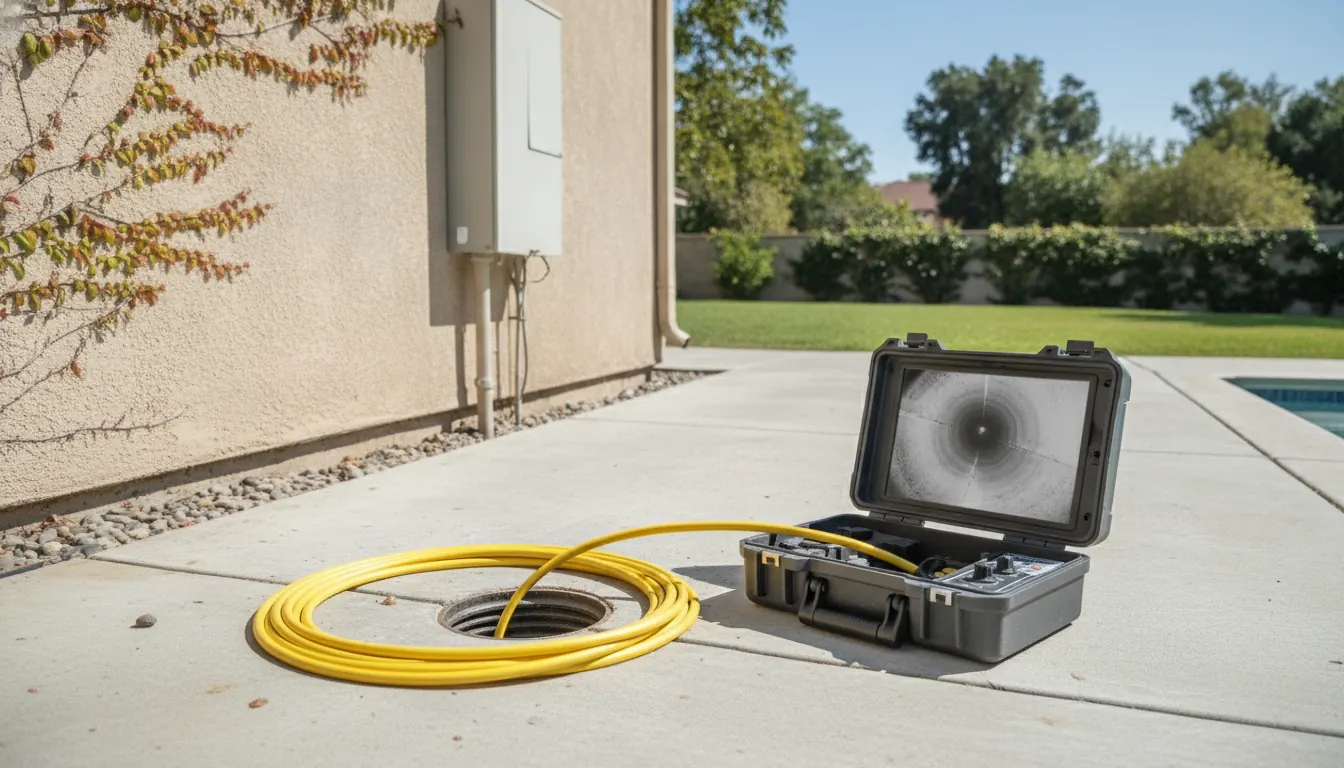
- Targeted inspection: If symptoms recur or suggest a main-line concern, a camera inspection may help show buildup, roots, corrosion, a crack, or another condition inside the pipe.
- Diagnosis-based service: Clearing, snaking, or hydro jetting may be appropriate depending on the condition and pipe access. The method should follow the diagnosis rather than a generic promise.
- Flow verification: The technician checks whether water is moving as expected after the work and explains any remaining concern.
- Next-step recommendation: You should receive clear information about whether monitoring, additional maintenance, repair, or a separate evaluation is appropriate.
For a broader view of available Conejo Bros drain clearing services, review the company's drain-service information before deciding which type of help fits your symptoms.
Which warning signs mean I need professional drain service?
Warning signs become more important when they repeat, affect more than one fixture, or appear with wastewater or outdoor pooling. A single slow drain may have a localized cause, but a pattern can point farther into the system. Do not treat symptoms alone as a diagnosis, especially when multiple fixtures are backing up.
Watch for these signals:
- A sink, shower, or tub drains slowly or becomes slow again soon after clearing.
- Toilets, sinks, or floor drains gurgle, bubble, or make unusual sounds when another fixture runs.
- A persistent sewage or drain odor returns after routine cleaning.
- More than one fixture backs up, or wastewater moves into a shower, tub, floor drain, or other low point.
- Unexplained pooling, unusually wet soil, or a persistently greener patch appears outdoors when it has not recently rained.
- A cleanout overflows, or water use in one part of the home affects another fixture.
Multiple-fixture backups and wastewater exposure require prompt professional help. Stop using affected fixtures when a backup is active, keep people and pets away from contaminated water, and avoid adding chemical cleaner to a system that may already be blocked.
Why can Thousand Oaks homes need proactive drain care?
The right maintenance decision can vary from one Thousand Oaks property to another. Tree conditions, property age, underground routing, prior repairs, and the pattern of recurring symptoms all affect what a technician needs to evaluate. Local context is useful, but it should guide questions and inspection, not replace evidence from the property itself.
For example, mature landscaping can make root intrusion worth discussing when a sewer problem keeps returning. An older property may have different pipe materials or access points than a newer home. A hillside lot, remodel, or unusual underground route can also change how water moves. These possibilities do not prove a cause, but they help explain why repeating the same quick fix may not solve the underlying issue.
Homeowners can make maintenance decisions more useful by recording which fixture shows the first symptom, whether the issue follows heavy water use, and whether the problem affects indoor or outdoor drainage. Share that history during an evaluation so the technician can focus the inspection instead of guessing from one isolated symptom.
How can I protect my drains between service calls?
Simple habits can reduce avoidable stress, but they cannot correct a damaged or obstructed line. Use strainers suited to the fixture, keep grease and cooking oil out of drains, and never flush wipes or other products that are not designed to break down in your plumbing. Pay attention when a symptom returns instead of masking it.
Between service calls:
- Collect grease and oil for disposal rather than pouring them into a sink.
- Use drain strainers to catch hair and food particles, then empty them into the trash.
- Avoid harsh chemical drain cleaners, which can create safety concerns and may damage plumbing components.
- Do not flush wipes, paper towels, hygiene products, or other non-toilet paper items.
- Note slow drains, odors, gurgling, and fixture interactions so you can describe the pattern accurately.
- Stop using fixtures connected to an active backup and request professional guidance.
Do not use a household maintenance checklist as a substitute for diagnosis. Recurring clogs, sewage odors, and multi-fixture symptoms deserve a service decision based on the actual condition of the line.
What should I ask before scheduling drainage maintenance?
Before scheduling, ask what access the technician will need, which symptoms should be described, and how the recommended work will be selected. Ask whether a camera inspection is justified by the pattern, how flow will be checked afterward, and what information you will receive if the issue appears to extend beyond routine maintenance.
| Situation | What it may indicate | Reasonable next action |
|---|---|---|
| One fixture slows once | A localized restriction or buildup may be present | Observe the pattern, use safe habits, and request an evaluation if it persists or returns |
| The same drain repeatedly clogs | The blockage may be recurring or farther into the branch line | Schedule professional drain service and ask whether inspection is appropriate |
| Several fixtures back up or wastewater appears | A main-line or shared drainage problem may be involved | Stop using affected fixtures and seek prompt professional help |
How can Conejo Bros support public-works and pre-construction needs?
Conejo Bros Plumbing can also discuss plumbing work that intersects with DWP and city public works, street-lateral replacement, traffic control, City planning and permits, septic-to-city-sewer rerouting, and pre-construction plumbing bids. Property owners and managers should ask early which parties need to coordinate and what documentation or site conditions may affect the scope. The company can help evaluate the plumbing side without inventing agency rules or promising an approval outcome.
For local context, see Thousand Oaks plumbing and drain service and bring the property address, access details, and symptom history to the conversation.
When should I contact Conejo Bros Plumbing?
Contact Conejo Bros Plumbing when a drainage issue keeps returning, affects multiple fixtures, creates a persistent odor, or produces unexplained outdoor pooling. A prompt evaluation can help separate an isolated slowdown from a wider drainage concern. If wastewater is backing up, stop using affected fixtures and request professional help rather than trying repeated chemical or improvised fixes.
Request drainage maintenance today
Frequently Asked Questions About Drainage Maintenance
These answers provide a starting point for choosing the next step. The actual recommendation depends on the property's symptoms, access, pipe condition, and the work required.
Is drainage maintenance the same as emergency drain service?
No. Maintenance is proactive or planned care, while emergency service addresses an active backup, wastewater exposure, or another urgent condition. A recurring maintenance concern can become urgent when several fixtures are affected or wastewater is entering the home.
What should I do if a drain keeps clogging?
Document when the clog returns, which fixtures are involved, and whether other fixtures change when water runs. Then request professional drain service. Repeatedly using chemical cleaner may hide the pattern and create additional safety or pipe concerns.
Does every drainage maintenance visit require a camera inspection?
No. A camera may be useful when symptoms recur, involve a main line, or suggest a hidden condition, but it is not automatically necessary for every isolated slowdown. The decision should follow the symptoms, access, and initial evaluation.
Are chemical drain cleaners safe for routine maintenance?
Chemical drain cleaners are not a substitute for diagnosis and may create safety concerns or damage some plumbing components. Use strainers and careful disposal habits instead, and ask a professional how to address a recurring or active obstruction.
When does outdoor pooling warrant a drainage evaluation?
Unexplained pooling, wet soil, or a persistently greener patch can warrant an evaluation, especially when it appears without recent rain or alongside indoor drainage symptoms. Do not assume the cause from appearance alone. A professional can determine whether the issue involves drainage, a leak, or another condition.
Conejo Bros Plumbing serves Thousand Oaks and nearby Conejo Valley and Ventura County communities with drain, sewer, plumbing, septic, and trenchless services. Clear symptom history and property access information can help the team recommend an appropriate next step.
Contact Conejo Bros Plumbing to plan your next drain service
For service planning, keep the property details and recent drainage observations available when you reach out.