
Plumber Fillmore CA Drain Sewer Rural Guide
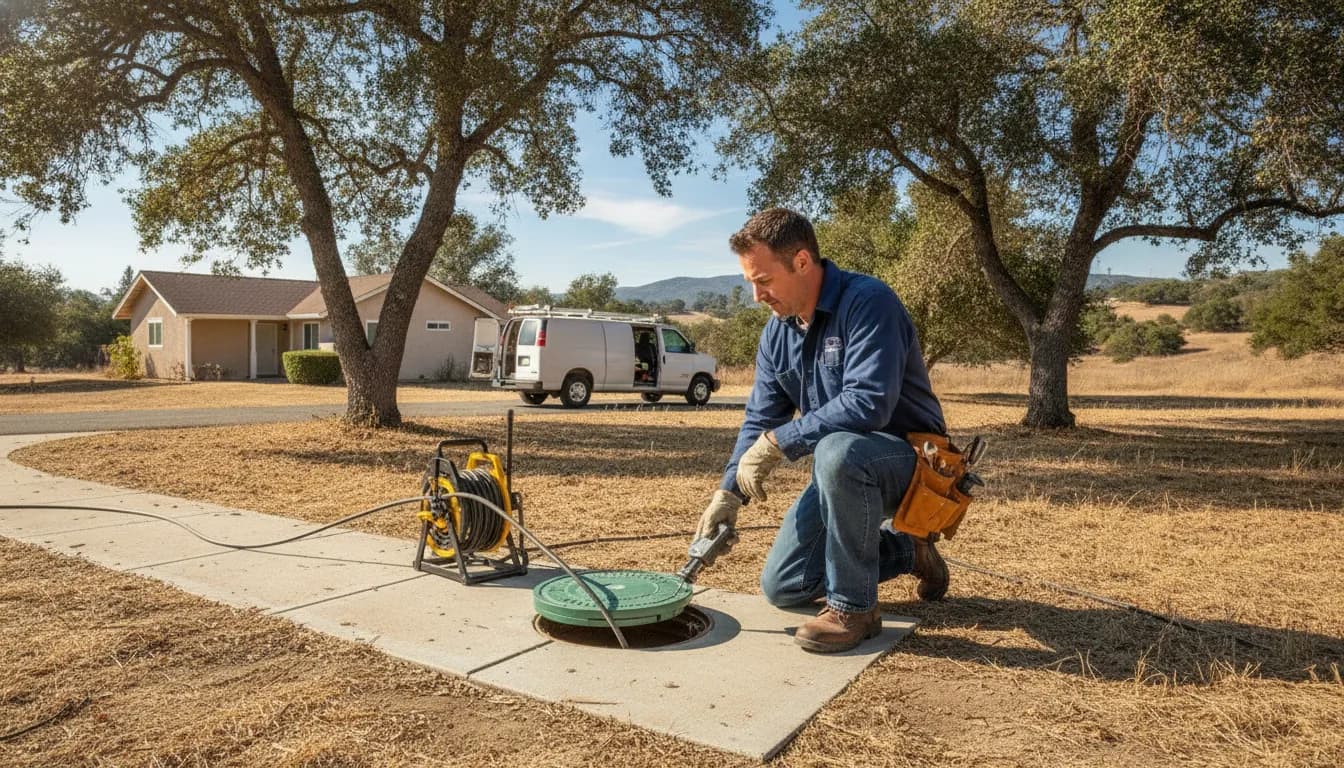
Rural plumbing problems rarely stay confined to one fixture. A slow drain may point to a shared sewer line, and an area drain may affect runoff around a ranch property. A septic issue can also involve the tank, connecting line, or drainfield. The right first step is to identify which system is involved before choosing a repair.
For a plumber fillmore ca drain sewer rural service need, look for help that covers drain clearing, sewer diagnosis and repair, septic systems, area drains, and urgent plumbing failures. Conejo Bros Plumbing includes Fillmore in its Ventura County service territory and uses camera inspection before major interventions, helping locate the problem before extensive work is recommended. Learn more in this Ventura County plumbing specialist guide.
Those services matter because rural homes and ranch properties often combine several drainage systems on one site. Here is what a local plumber can evaluate, clear, inspect, or repair when the problem extends beyond a standard indoor drain.
What can a plumber fillmore ca drain sewer rural specialist handle for rural properties?
For a rural home or ranch property, the right plumbing service starts with identifying where the problem actually is. Conejo Bros Plumbing includes Fillmore in its Ventura County service territory, with work focused on drains, sewer lines, and related plumbing systems. The approach is useful when a recurring backup, outdoor drainage issue, or sewer concern may involve more than one fixture.
A plumber in Fillmore CA can help with several practical needs:
- Drain clearing: Service can address blocked sinks, tubs, showers, toilets, laundry, and garage drains. It can also address outdoor yard, driveway, gutter, area, pool, and spa drains. Conejo Bros uses "area drains" as the customer-facing term for many yard drainage systems.
- Sewer clearing: Professional snaking and hydro-jetting are available methods for clearing sewer lines. The appropriate method depends on the condition of the line and the material causing the restriction.
- Drain and sewer diagnosis: A non-invasive camera inspection uses video to investigate drain and sewer problems before major intervention. It can help identify blockages, root intrusion, misaligned pipes, corrosion, scale buildup, breaks, or collapses, while locating the affected area more precisely.
- Property-focused sewer inspection: A Fillmore sewer inspection can be useful when a property owner needs a clearer view of the line from the home toward the street, especially before planning repair work or evaluating a rural property.
These services are not limited to a single indoor fixture. Rural properties may have longer runs, multiple structures, outdoor drainage paths, or access points that make diagnosis especially important. Starting with inspection helps separate a localized clog from a deeper sewer or drainage problem. So the next repair decision is based on the observed condition of the system. For broader service-area context, see the Ventura County plumbing specialist guide.
Public works plumbing support for Fillmore projects
Some Fillmore properties also need public-works coordination, not only private plumbing. A public-works specialist can help evaluate DWP and city public-works requirements, street-lateral replacement, traffic control, and City planning and permits. If a property is moving from septic to city sewer, the work may involve rerouting the private connection and coordinating the transition. For new construction or major improvements, ask about pre-construction plumbing bids and the scope, access, and permitting assumptions before work begins.
What makes plumbing different for Fillmore rural homes and ranch properties?
Rural plumbing decisions often involve more than the fixtures inside the house. A Fillmore property may also depend on a private septic system, an onsite drainfield, and area drains outside the home. Those systems have different maintenance needs. So a recurring slow drain or wet area should be evaluated in context instead of treated as an isolated sink or toilet problem.
Septic care is part of routine plumbing maintenance
For a home connected to a septic tank, wastewater from the household flows into that system. The U.S. Environmental Protection Agency identifies four key parts of septic care: inspecting and pumping, using water efficiently, disposing of waste properly, and maintaining the drainfield. The EPA also notes that one in five U.S. homes uses a septic system, making routine care an important part of residential plumbing maintenance.
Inspection and pumping schedules should reflect the property rather than a one-size-fits-all calendar. The EPA says an average household septic system should be inspected at least every three years, while tanks are typically pumped every three to five years. Household size, wastewater volume, solids in the wastewater, and tank size can all affect the appropriate pumping frequency. Conejo Bros Plumbing provides Ventura County septic services, including inspection work that can check for leaks, blockages, structural concerns, and compliance issues.
Water use matters because all household water sent down the pipes ends up in the septic system. Efficient use can improve system operation and reduce the risk of malfunctions. If a property needs ongoing maintenance, Ventura County septic pumping can help remove accumulated solid waste as part of a documented care plan.
Area drains manage water outside the home
Ranch properties and larger lots may also have drainage concerns beyond the building. Conejo Bros Plumbing uses the term area drains for drains outside the home, including yard drains that run toward the curb. These are separate from the septic tank, but a blockage or drainage problem can still affect access areas, landscaping, and the way water moves around the property. Keeping area drains clear and identifying recurring flow problems can help distinguish an exterior drainage issue from a septic concern.
Heavy rain can change septic conditions
Weather deserves attention on rural properties. The Centers for Disease Control and Prevention says heavy rain and flooding can saturate the ground and prevent a septic system from operating properly. During severe conditions, a septic tank can also collapse or float out of position. That makes unusual drainage, standing water, or changes in system behavior worth documenting and assessing, especially after prolonged rain. A careful inspection can help determine whether the concern is inside the plumbing, around the septic system, or in the property's exterior drainage.
When is trenchless sewer repair a fit for a Fillmore property?
Trenchless repair can be worth considering when a sewer line needs rehabilitation or replacement but extensive excavation would disrupt a driveway, landscaping, an access road, or another part of the property. It is not an automatic solution for every rural home or ranch property. The right starting point is a clear diagnosis of the line and the surrounding conditions.
A drain camera inspection can show the condition of the pipe from inside and help locate the problem. The inspection may identify root intrusion, misaligned sections, corrosion, scale buildup, breaks, collapse, or a blockage. Locating the affected area matters because it helps determine whether the issue is isolated, where access may be needed, and whether a repair approach could avoid unnecessary digging.
How epoxy lining and pipe bursting differ
| Approach | What it does | What must be checked first |
|---|---|---|
| Epoxy lining | Creates a seamless inner surface inside an existing pipe. | Pipe condition, dimensions, access, and whether the line can support lining. |
| Pipe bursting | Breaks the existing pipe while pulling new polyethylene pipe into its path. | Route, connections, access, and the condition of the line being replaced. |
Epoxy rehabilitation works by lining an existing pipe with epoxy resin to create a new seamless inner surface. This approach may be considered when the existing pipe can support the lining process and the inspection shows that rehabilitation is technically appropriate. It does not mean every damaged, collapsed, or severely misaligned line can be lined. The pipe's actual condition, dimensions, access points, and other site factors have to be evaluated first.
Pipe bursting takes a different approach. It breaks the existing pipe while pulling new polyethylene pipe into its path. That can make it a candidate for certain replacement situations, particularly when the existing line cannot be rehabilitated in place. However, the method still requires a careful review of the pipe route, connections, access, and the property above it. It should not be selected simply because a property is rural or because excavation would be inconvenient.
For a Fillmore property, ask for the inspection findings and the reason a proposed method fits the line. A useful evaluation should connect the visible evidence to the repair plan. It should explain whether epoxy lining, pipe bursting, conventional excavation, or another option is appropriate. It should also identify any parts of the system that need separate work. This inspection-first process gives homeowners, ranch owners, and property managers a clearer basis for deciding how to proceed.
What should you do during a Fillmore plumbing or sewer emergency?
Act quickly, but keep people away from contaminated water and avoid making the problem worse. A rural property may have longer private drain runs, septic equipment, or area drains that are affected by heavy rain. Slow sinks or toilets, overflowing floor drains, visible sewage, burst pipes, major leaks, and severe drain or sewer blockages all warrant prompt attention. Conejo Bros Plumbing lists Fillmore within its Ventura County service territory and handles emergency plumbing situations throughout the area.
- Protect people and pets first. Keep children and animals away from sewage, floodwater, and wet areas near electrical equipment. The CDC advises avoiding contact with floodwater that may be contaminated with sewage because it can make people sick. Do not walk through a sewage overflow to inspect a tank, cleanout, or drainfield.
- Reduce water use. Stop flushing toilets and limit showers, laundry, dishwashing, and other water-intensive activity while the failure is active. During heavy rain or flooding, saturated ground can prevent a septic system from operating properly. A septic tank can also collapse or move out of position, so do not drive over or dig around the tank.
- Stop the source when it is safe. If a fixture is overflowing, close its local shutoff valve. For a burst pipe or major leak, use the main water shutoff only if you can reach it safely and without entering standing water. If sewage is backing up, do not use chemical drain cleaners or repeatedly force a plunger through the line.
- Document the conditions from a safe distance. Note which fixtures are affected, whether the problem follows rain, where water or sewage is visible, and whether the property uses septic or a municipal connection. Photos can help a technician understand access and urgency without exposing you to contaminated material.
- Request emergency drain service. Share the property location, symptoms, recent weather, shutoff steps already taken, and any known septic or sewer details. Conejo Bros Plumbing describes emergency work for sewage backups, overflows, burst pipes, major leaks, severe blockages, and system failures. See the emergency drain service information before the technician arrives.
What should a plumber fillmore ca drain sewer rural guide explain before booking?
Before contacting a plumber fillmore ca drain sewer rural property owners can save time by gathering a clear description of the problem and the property details that affect access. Note which fixture or drain is affected, when the issue began, whether it is getting worse, and whether more than one drain is slow or backing up. Photos or a short video can also help explain what you are seeing, particularly when the problem involves an outdoor area drain, a long driveway, or a ranch property.
Tell the plumber whether the property uses a septic system or connects to a city sewer. If you know where the septic tank, cleanout, sewer connection, or affected drain is located, share that information. Mention recent rain, flooding, construction, landscaping, or vehicle traffic near the problem area. These details help distinguish a fixture blockage from a broader drain, sewer, septic, or drainage concern. The guide's rural-property focus is intentional because Fillmore-area homes and ranch properties may require different questions about access, private systems, and outdoor drainage than a typical in-town call. Fillmore is included in Conejo Bros Plumbing's Ventura County service territory.
Request help promptly when sewage is backing up, a pipe has burst, a major leak will not stop, or a drain or sewer overflow is affecting the property. Conejo Bros Plumbing lists 24/7 emergency availability, and its emergency protocol begins with a hotline call and an assessment of the urgency and location. For an emergency, limit water use if continued use is worsening the backup. Keep people away from contaminated water, and explain the immediate safety concern when you contact the company.
For a non-emergency appointment, ask about the next appropriate diagnostic step rather than assuming the repair method. A concise history, property layout, and access notes give the plumber a better starting point for evaluating the issue.
Request local plumbing help in Fillmore today
Frequently Asked Questions
How can I tell whether a rural property has a septic problem or a clogged drain?
Start with the pattern. A single slow fixture may point to a local drain blockage, while several slow drains, an overflowing floor drain, or sewage visible outside can indicate a septic or main-line problem. A camera inspection can help locate blockages, breaks, root intrusion, or other defects before major digging or repair is recommended. Avoid contact with sewage-contaminated water.
What maintenance does a septic system need at a Fillmore ranch property?
Maintenance should include professional inspection, appropriate pumping, careful waste disposal, efficient water use, and protection of the drainfield. The EPA recommends inspection at least every three years, while pumping frequency depends on household size, wastewater volume, solids, and tank size. Your service history and property use should guide the schedule.
What are area drains, and why do they matter on rural properties?
Area drains are exterior drains that move water away from the home, yard, driveway, or other low areas. On a ranch or larger property, blocked area drains can leave runoff near structures, access routes, or landscaped areas. A plumber can evaluate the drain path and use professional snaking or water jetting when the blockage and pipe condition make those methods appropriate.
When should I call for emergency plumbing service?
Call promptly for a sewage backup or overflow, burst pipe, major leak, severe drain or sewer blockage, or system failure. Shut off water when it is safe to do so. Limit flushing and other water use during a septic emergency, and keep people and animals away from contaminated water. Conejo Bros Plumbing lists 24/7 emergency availability for urgent plumbing and sewer issues.
Request Fillmore Plumbing and Drain Service
Clear details about your property, the issue, and any recent symptoms can help the team understand where to begin. If you need plumbing, drain, septic, area-drain, sewer, or emergency guidance for a Fillmore home or ranch property, request Fillmore plumbing and drain service through the contact page. Share the location and the problem when you reach out so your request can be directed appropriately.