
What Does Septic System Certification Involve in Ventura County?
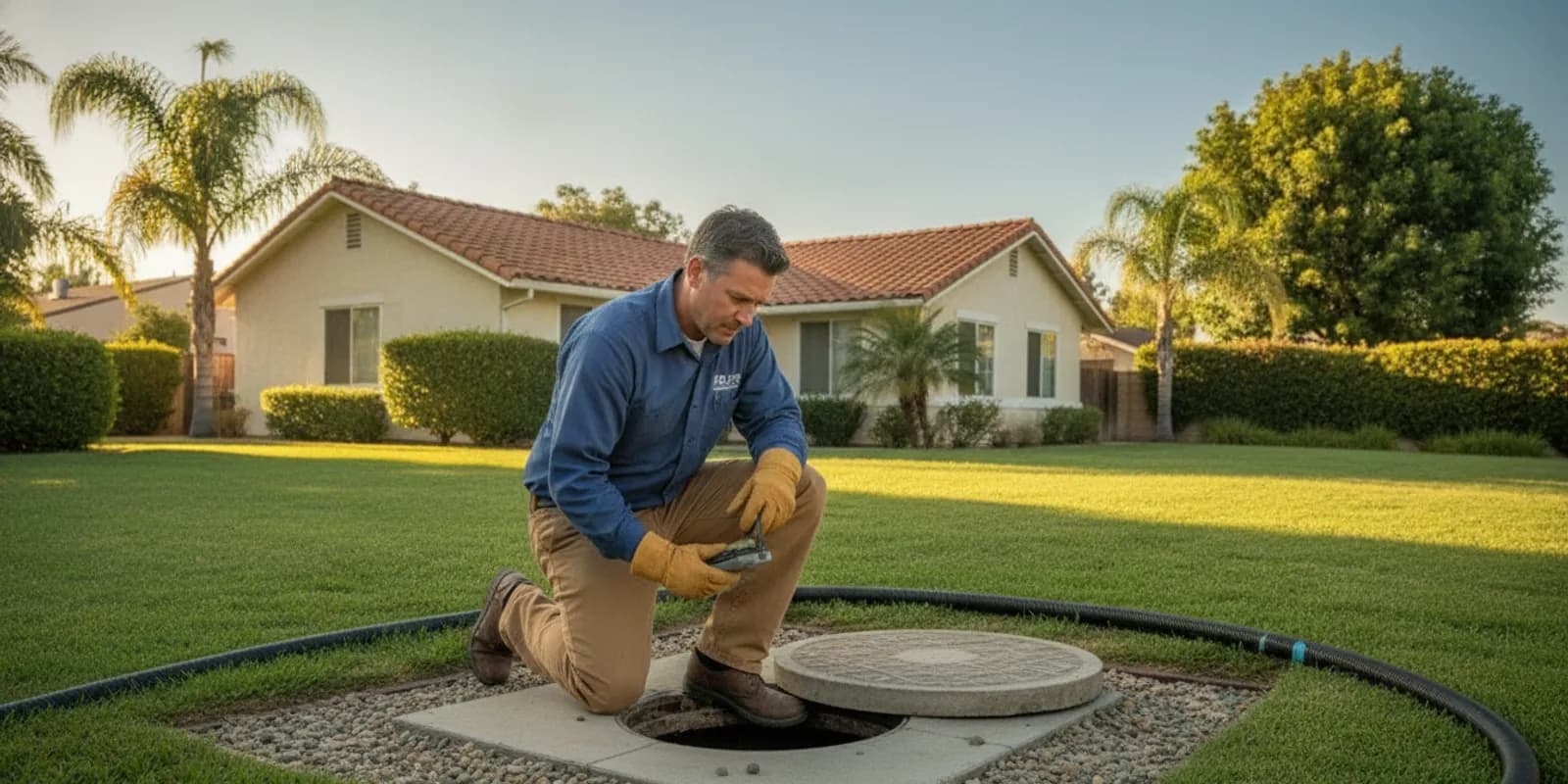
Septic system certification can mean different things depending on why you need it: a property sale, a permit, a repair, or a request from a local agency. In Ventura County, start by confirming who needs the certification and what they will accept; an inspection report, permit record, or proof of completed work may serve different purposes. Knowing that distinction helps you request the right service instead of assuming one standard certificate fits every property.
Request help with your septic system evaluation
What does septic system certification involve in Ventura County?
There is not necessarily one universal document called a septic system certification that applies to every home in Ventura County. The request may refer to a professional evaluation of an existing onsite wastewater treatment system, confirmation that permitted work was completed, or information needed by a buyer, seller, lender, or public agency. The first useful step is to ask the person requesting the paperwork what they mean by “certification” and which records or findings they require.
Ventura County Environmental Health publishes guidance on septic systems and wastewater disposal, including permitting and certifications for existing systems. Its septic systems and wastewater disposal page is a starting point for checking current local information. Requirements can depend on the property, the work being considered, and the purpose of the request, so verify the applicable process with the local agency before relying on a general checklist.
In practice, a certification-related request often brings together three kinds of information: the system’s history, its visible condition and operation at the time of evaluation, and the documentation needed by the recipient. A service provider can evaluate components and report observations, but the requesting agency or transaction professional determines what documentation satisfies its own requirement. Ask about that distinction before booking.
Why might a homeowner need septic system certification?
Homeowners most often encounter the term when an outside party asks for proof about a septic system. For example, a real estate transaction may prompt questions about the system’s location, apparent condition, prior repairs, or local records. A permitting process may instead focus on the proposed work and whether required approvals or completion records are in place. A lender, property manager, or buyer may have their own checklist.
These situations are related, but they are not interchangeable. A maintenance visit is not automatically the same as an inspection for a real estate transaction. A contractor’s work record does not necessarily replace an agency permit or approval. And an evaluation that describes visible or operational observations does not by itself promise how the system will perform in the future. Clarify the requested result before the visit so the right questions and records are addressed.
- Buying or selling a property: Ask the transaction representative which report, records, or sign-off is required and whether it must come from a particular professional or agency.
- Planning repairs or replacement: Identify whether the county or another authority requires a permit, design information, or completion documentation before work begins.
- Responding to a concern: If there are slow drains, sewage odors, wet areas, or backups, describe the symptoms and ask whether the immediate need is diagnosis and repair rather than a transaction certificate.
- Managing a rental or commercial property: Keep service records and confirm whether the owner, tenant, property manager, or agency is responsible for requesting and retaining the documents.
If you are uncertain which service fits, explain the request and the property’s situation before arranging work. Conejo Bros provides septic services that include inspection, pumping, replacement, design, testing, and installation; the appropriate next step depends on the system and the purpose of the request. Read about septic system repair and pumping or the company’s septic tank systems and installation information for related service context.
What should you gather before requesting septic system certification?
A little preparation can save time and reduce confusion. You do not need to know every technical detail before you call. Gather what is available, note what is missing, and share the exact wording of the request you received. That lets the service provider and, when needed, the local agency identify which information matters.
- Copy of the request. Keep the email, transaction checklist, permit notice, or other document that uses the word “certification.” Ask the requester to specify what report or proof is acceptable.
- Property and system history. Collect prior inspection reports, pumping receipts, repair invoices, design documents, permits, and records of replacement or upgrades. Do not assume an old document describes the current condition.
- System location details. If you know where the tank, access risers, distribution components, or dispersal area are located, mark them on a simple sketch or share a site plan. Do not dig to locate buried components.
- Current observations. Note when symptoms began, which fixtures are affected, whether multiple drains are involved, and any recent changes such as heavy water use or landscaping work. Report odors, unusual wet spots, or sewage backups promptly.
- Access and safety information. Mention gates, pets, locked areas, known access limitations, and any site conditions that could affect a visit. Keep people away from open or damaged system components.
For a property purchase, ask the seller or agent for system records early enough to review them. For repair or replacement work, ask the local authority whether a permit or other approval must be obtained before work starts. The county’s official wastewater disposal guidance can help direct you to current information, but it is not a substitute for confirming the requirements that apply to a particular parcel and project.
What may an evaluation examine?
The scope depends on the assignment and what components are accessible. A professional may review records, discuss observed symptoms, locate accessible system components, and assess their visible condition. The evaluation may involve the tank and its access points, plumbing connections, distribution components, or dispersal area, depending on the requested service and conditions at the site. Some components are buried or otherwise inaccessible without additional work.
Do not treat a brief visual check as proof that every part of a system has been examined. Ask what the service includes, whether any component could not be evaluated, what testing is proposed, and what the written findings will cover. A report is most useful when it distinguishes observed facts from assumptions and identifies limitations, recommended follow-up, or conditions requiring attention.
Septic systems rely on more than the tank. A problem can involve household plumbing, a blockage, a damaged component, or the area that receives wastewater. An evaluation should not jump straight from one symptom to a costly conclusion without considering the evidence. If a recommendation involves repair or replacement, ask what finding supports it and whether additional testing, design, or agency review is needed. Conejo Bros offers related septic tank pumping and leach field repair information; the service needed depends on the specific diagnosis.
How do certification, inspection, and permits differ?
People sometimes use these terms as if they describe the same step. It helps to separate the purpose of each one. An inspection or evaluation describes findings within an agreed scope. A certification is a requested statement or document, whose meaning depends on who requests it and what is being certified. A permit is an authorization handled by the relevant agency for regulated work; it is not simply a contractor’s condition report. A completion record may document work performed, but the agency determines whether further sign-off is required.
| Item | Typical purpose | What to confirm |
|---|---|---|
| Inspection or evaluation | Describe system condition or investigate a concern within a defined scope. | Which components and tests are included, what access is needed, and what limitations will be reported? |
| Certification request | Provide a statement or document for a buyer, seller, property manager, lender, or agency. | Who requires it, what exact wording or evidence is expected, and who is authorized to provide it? |
| Permit or agency approval | Address local requirements for specified work, such as installation, replacement, or repair. | Which authority handles the property, what must be submitted, and when may work proceed? |
| Completion documentation | Record that particular work was performed and, where applicable, reviewed. | What records will be provided and whether an agency inspection or approval remains outstanding? |
Use this comparison to frame questions, not as a definitive statement of local legal requirements. The Ventura County agency’s current instructions and the person requesting the document control the next step. If a property is near a jurisdictional boundary or has an unusual system, confirm which agency has authority over that parcel.
What happens if the evaluation finds a concern?
A finding does not automatically mean the entire system needs replacement. First, ask the evaluator to explain what was observed, which component is involved, whether the issue is confirmed or suspected, and what additional diagnostic step could clarify it. Request written findings and keep them with the property’s records. If a repair is recommended, ask whether the scope requires design work, testing, or a permit before proceeding.
When there is an active sewage backup or a suspected wastewater release, prioritize safety and prompt professional advice. Avoid contact with wastewater, keep children and pets away from affected areas, and do not enter a tank or confined space. If wastewater is surfacing, limit water use where practical while arranging help and contact the appropriate local authority if required. A certification request can wait until immediate health or property concerns are addressed.
For a system with possible dispersal-area trouble, do not drive or park over the area or make changes to grading or drainage before getting advice. Keep a record of symptoms and the dates they occurred. Learn more about septic system service options and ask whether inspection, testing, repair, or another step best matches the findings. If an existing system may be failing, ask the relevant agency what approvals apply before altering it.
How do public works and sewer connections fit into the process?
Some owners ask about certification because they are considering whether a property can move from an onsite system to a public sewer connection. That is a separate planning question, not something a septic inspection alone can approve. Feasibility may involve the property layout, the location and availability of a public connection, local requirements, and coordination with the responsible public agency. Verify the route and approvals with the city or district before making plans.
Conejo Bros’ public-works scope includes work involving DWP and city public works, street-lateral replacement, traffic control, City planning and permits, septic-to-city-sewer rerouting, and pre-construction plumbing bids. These projects require coordination and site-specific review; requesting information does not itself establish that a connection is available or approved. See the public works specialists page for service context. For general location details, the service areas page is also available.
If a public sewer connection is not the question and you need a septic evaluation, keep the request focused on the existing system and the document recipient’s requirements. That helps avoid mixing a property’s current condition assessment with a separate infrastructure or permit project.
How can you compare the next steps?
Before authorizing work, compare the proposed scope rather than relying on the service label alone. Ask each provider what they will examine, what they will not examine, what records or report they will provide, and whether follow-up testing is separate. For permit questions, contact the responsible agency directly. This is particularly useful when a buyer’s deadline, repair concern, and agency process are happening at the same time.
- Share the requester’s exact instructions and deadline.
- Ask whether the requested result is a condition report, agency record, permit, or completion sign-off.
- Confirm what access and records are needed for the evaluation.
- Ask how limitations, inaccessible components, and recommended follow-up will be described.
- Keep copies of reports, permits, receipts, and communications with the property records.
To discuss an evaluation or related septic service, request help from Conejo Bros Plumbing and explain what document you need and who requested it. The team can help identify a relevant service path; confirm any official certification or permit requirement with the responsible agency.
Frequently asked questions
Is septic system certification required for every home sale in Ventura County?
Do not assume that a single rule or document applies to every transaction. Ask the buyer, seller, agent, lender, and relevant local authority what is required for that property and transaction. The request may be for an inspection, records, or another form of documentation.
Does a septic inspection guarantee the system will not need repairs?
No evaluation can guarantee future performance. A report describes findings within its scope and at the time of the visit. Ask what was examined, what could not be accessed, and whether further testing or repair is recommended.
Can old pumping or repair records help?
Yes. Records can help establish service history, identify prior work, and provide context for current findings. They do not replace a current evaluation or any documentation required by an agency or transaction professional.
Who decides whether a report counts as certification?
The person or agency requesting the document determines what they will accept. Get the requirement in writing where possible, then confirm that the provider’s proposed scope and report format match it before scheduling.
What if a septic system needs work before it can be documented?
Ask the evaluator to explain the finding and the next recommended step. Contact the responsible local agency about required permits or approvals before beginning regulated work, and retain documentation of completed work for future reference.
Contact Conejo Bros Plumbing to discuss your septic system
Septic system certification is easiest to navigate when you know who needs the document, what it must establish, and which local requirements apply to the property. Gather your records, clarify the scope, and ask for help when the system’s condition or the requested paperwork is unclear.