
Emergency Plumbing Leak Thousand Oaks: Shutoff Guide
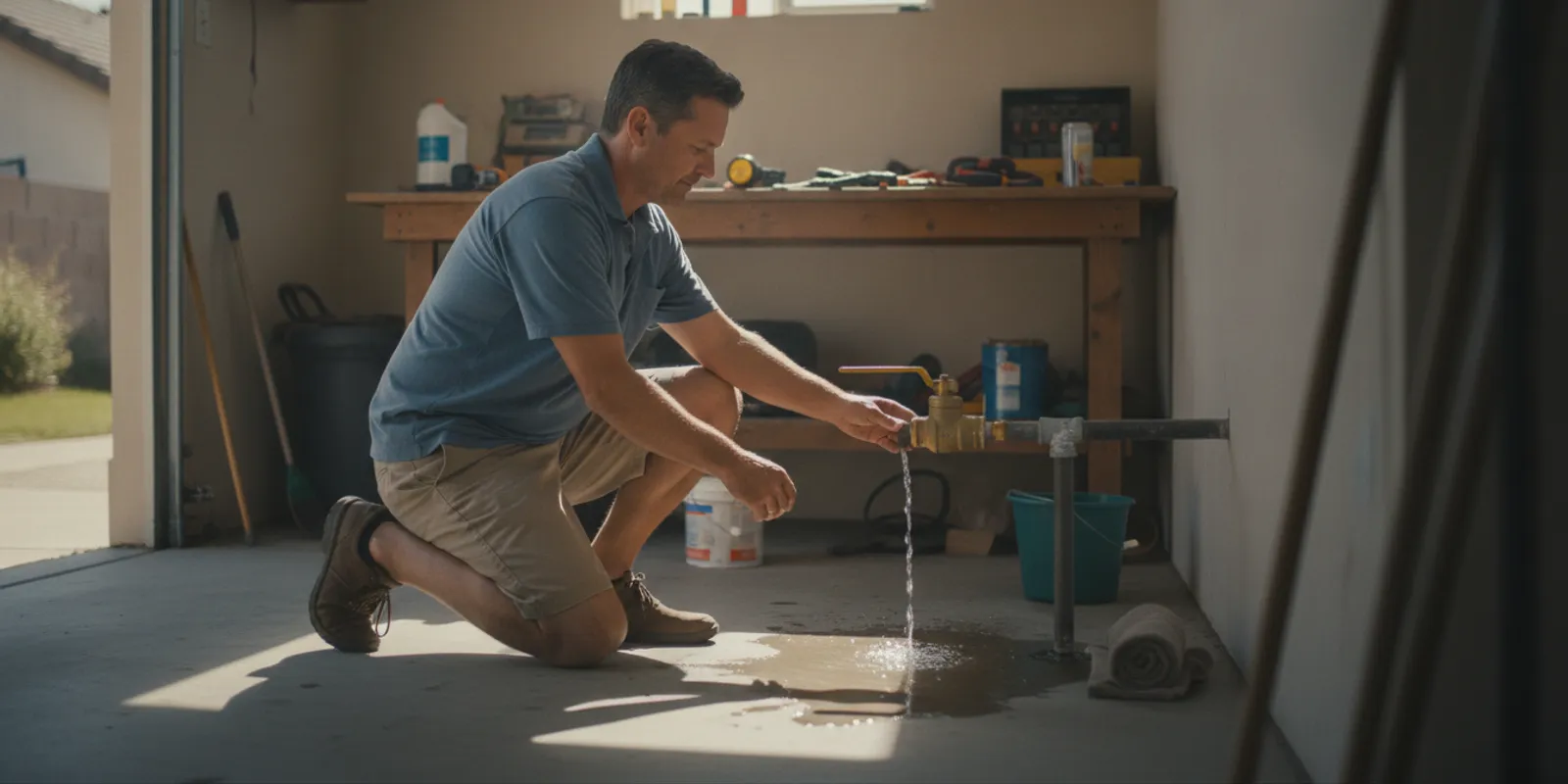
A sudden leak can be stressful, but a few calm steps can limit water damage while you arrange help. If you have an emergency plumbing leak in Thousand Oaks, first protect people from hazards, then stop the water if you can do so safely. This guide explains how to shut off water leak flow at a fixture or the home’s main valve, what to do next, and when to call a plumber.
Emergency plumbing leak Thousand Oaks: what should you do first?
Start with safety, not cleanup. If water is near outlets, appliances, a breaker panel, or electrical cords, do not step into the water or touch electrical equipment. Keep children and pets away. If you can reach the breaker without crossing a wet area, switch off power to the affected room; otherwise, leave it alone and contact the appropriate emergency service. If you smell gas, leave the building and call the gas utility or emergency services from outside.
Next, look for the source from a safe, dry position. A leak under a sink or behind a toilet may be controlled at that fixture. Water from a burst pipe, ceiling, or wall may require shutting off the home’s main supply. Do not cut into a wall or ceiling to investigate. Water can travel from the source, and a wet patch may not show where the pipe is damaged.
- Protect people and avoid hazards. Keep away from standing water near electrical systems and do not climb onto a wet surface.
- Stop the flow if safe. Turn the nearest fixture valve or the main shutoff valve. Do not force a stuck or corroded valve.
- Reduce further damage. Move belongings out of the wet area if safe, place a bucket under a manageable drip, and use towels to contain small amounts of water.
- Call for help. Describe where the leak is, whether water is still flowing, and which shutoff you used.
For active water pouring from a pipe, a leak that cannot be isolated, or water entering a living area, treat the situation as urgent. Conejo Bros Plumbing provides plumbing and emergency service; you can review the plumbing services and emergency repair information while arranging assistance.
How do you shut off water leak flow at a fixture?
For a leak at a sink, toilet, or similar fixture, check for a small shutoff valve on the supply line. A sink commonly has valves beneath the basin; a toilet valve is usually on the wall or floor near the tank. Turn the handle clockwise gently until it stops. Some valves use a lever; turn the lever a quarter-turn so it sits across the pipe. If the valve is missing, inaccessible, or will not turn without force, use the main shutoff instead.
After turning a fixture valve, open the faucet or flush the toilet once to release pressure and see whether the flow has stopped. A fixture valve may not control a leak in the drain, the faucet body, or a pipe in the wall. If water continues, do not assume the problem is solved. Shut off the home’s main supply if safe and call a professional.
Where is the main water shutoff valve in a Thousand Oaks home?
Homes differ, so there is no single location for every property. Check likely places such as the garage, a utility area, a crawl space, or near where the water service enters the house. In some homes, the main valve may be outside near the meter or at the edge of the property. Do not confuse a water meter valve with a homeowner-accessible shutoff, and do not operate utility-owned equipment unless the water provider directs you to do so.
When you find the valve, identify what kind it is. A wheel-style gate valve closes by turning clockwise; a lever-style ball valve usually closes with a quarter-turn. Turn it slowly and stop if it is stuck, visibly damaged, or leaking around the handle. Forcing an old valve can create another problem. If you are unsure which valve controls your house, ask a licensed plumbing professional to identify it during a service visit.
Make a simple household shutoff plan before a leak happens. Tell other adults where the main valve is, keep the route to it clear, and store a flashlight nearby in case the area is dark. If the valve is in a locked cabinet or gated area, make sure an adult can access it. Labeling the correct valve can help someone find it quickly, but avoid attaching a label to utility equipment you do not control. Do not regularly exercise an old or questionable valve just to test it; if it looks corroded or has not been operated for years, have a plumber assess it.
It can also help to know which fixtures have separate shutoffs and where the home’s water heater is located. This is not a reason to take apart plumbing or turn valves you do not recognize. It is simply a way to give the person responding a more useful description: for example, whether the leak is limited to a toilet supply line or whether water is coming from an unknown pipe in a wall. Clear information helps guide the next safe step.
It is worth finding the valve before there is an emergency. The Regional Water Providers Consortium’s emergency shut-off guidance recommends teaching household members where the valve is and how to use it. Show adults and older children the location, but make clear that they should not enter a crawl space or handle a damaged valve during an active hazard.
How can you tell what kind of leak you are dealing with?
The location and timing can help you describe the issue, though they do not confirm the cause. Water that appears when a faucet or appliance is used may point to a fixture, supply connection, or drain problem. Water that continues when fixtures are off may come from a pressurized supply pipe, a water heater connection, or another source. A stain on a ceiling can be below a bathroom, roof, or pipe, so avoid assuming the room directly above is the source.
Notice whether the water is clear, discolored, warm, or accompanied by a sewer odor, but do not touch or taste it. Tell the plumber what you observed and whether the water changes when a fixture runs. Do not run fixtures merely to reproduce the leak if doing so could increase damage. If water is coming from a drain or sewer line, keep people and pets away from it and avoid contact while arranging professional help.
How can you limit damage after the water is off?
Once the flow is controlled, take reasonable steps to protect the home without putting yourself at risk. Keep people out of rooms with sagging ceilings, bulging drywall, or water near electrical equipment. If water is dripping through a ceiling, do not stand beneath it or poke the ceiling. A waterlogged ceiling can give way unexpectedly. Contact a qualified professional and follow any instructions from emergency responders or your insurer.
- Move furniture, rugs, electronics, and valuables away from damp areas when you can do so safely.
- Use a bucket or container for a small, accessible drip. Do not place it where it creates a trip or electrical hazard.
- Take photos or short videos of visible damage before moving items, if doing so does not delay urgent action.
- Do not use a household vacuum or other electrical appliance to remove water unless it is specifically designed for that purpose and the area is safe.
- Keep the main valve off if the leak returns when water is restored. Do not repeatedly turn the supply on to test an unresolved leak.
Water can migrate under flooring and into cabinets, walls, or adjoining rooms. Drying visible surfaces alone may not address hidden moisture. A plumber can locate the source and advise on the plumbing repair; restoration and insurance questions may require a separate qualified provider. For suspected pipe leaks, see the company’s information on plumbing leak detection.
Emergency plumbing leak Thousand Oaks: when should you call a 24/7 plumber?
Call promptly when water is actively flowing, the source is hidden, a pipe has burst, a shutoff valve will not work, or the leak returns after you turn the water back on. A leak from a water heater, a pipe in a wall or ceiling, or a main supply line also deserves professional assessment. If the leak has stopped but you cannot tell whether it is fully controlled, explain that when you call.
Some situations are not safe to troubleshoot yourself. Avoid opening walls, using a torch, applying a temporary repair to a pressurized pipe, or entering a flooded crawl space. A small leak at a readily accessible fixture may be manageable after its valve is closed, but a worsening leak or damaged pipe needs an appropriate repair. Conejo Bros Plumbing serves the Conejo Valley and nearby communities. The service-area information can help you check local coverage.
When you contact a plumber, share the address, the room or area affected, what you can see, whether water is still flowing, and whether you shut off a fixture or the main valve. Mention any electrical or structural concern. If you rent or manage a property, notify the owner or property manager as well, without delaying urgent steps to protect occupants and the building.
Is the leak on your property or related to public works?
A leak inside the home, on a private supply line, or in a drain generally calls for a plumbing assessment. Water coming from the street, a public right-of-way, or infrastructure outside the property boundary may involve the water provider or city. The visible location alone may not identify who owns the pipe. If the issue appears to involve a city or utility line, keep people clear of the area and report it to the relevant agency. For a private-side concern, a plumber can help investigate.
Conejo Bros Plumbing also identifies as a public-works specialist. Its public works scope includes DWP and city public works, street-lateral replacement, traffic control, City planning and permits, septic-to-city-sewer rerouting, and pre-construction plumbing bids. Those projects are distinct from stopping an immediate leak in a home. Learn more about public works services if your property issue involves municipal coordination or planned work.
Which shutoff should you use, and what happens next?
Use the closest safe valve that stops the water. If it does not work, or the leak is beyond that fixture, shut off the main supply if you can identify and operate it safely. The table below is a quick comparison, not a substitute for professional help when a valve is damaged or the leak is hazardous.
| Situation | First shutoff to consider | What to do next |
|---|---|---|
| Leak at a sink supply hose or faucet connection | Valve beneath the sink, if accessible and functioning | Check whether flow stops; call for repair if it continues or the valve fails. |
| Leak at a toilet supply line | Valve beside or behind the toilet | Turn gently, avoid using the toilet, and request service if water persists. |
| Active leak from a wall, ceiling, or multiple fixtures | Main home shutoff, if safely accessible | Keep clear of electrical and structural hazards; arrange urgent plumbing help. |
| Water near a street or suspected public line | Do not operate utility equipment without direction | Keep clear and contact the water provider or city; arrange plumbing help for the private side as needed. |
After a repair, ask what caused the leak, whether other nearby components should be checked, and how to restore water safely. If the main supply was shut off, do not reopen it until the source is controlled and the plumber or other qualified professional advises it is safe. A careful explanation of what was found and repaired can help you decide whether follow-up inspection is needed.
How can you prepare for the plumbing visit?
Make the affected area accessible if it is safe to do so. Move loose items away from the sink, water heater, or visible pipe, but do not remove fixtures, cut drywall, or enter an unsafe space. Keep the main valve off if turning it back on causes water to return. If you have photos of the leak before it was contained, keep them available. Let the plumber know whether the water stopped at a fixture valve or only after the main supply was shut off.
Ask the plumber to explain the suspected source, the immediate repair needed, and whether water can be restored safely afterward. If the repair involves concealed piping or additional damage is discovered, ask what the next step is before work proceeds. The goal is to understand what happened and what condition needs attention, not to guess at a repair from the visible stain alone.
For a leak that needs professional attention, request plumbing service today and include what you observed and which valve you turned.
Frequently asked questions
Should I turn off the main water if a leak is small?
If the leak is clearly controlled by a working fixture valve, you may only need to close that valve. If you are not sure where the water is coming from, the fixture valve fails, or the leak continues, shut off the main supply if safe and request help.
How do I shut off water if I cannot find the valve?
Do not guess at utility equipment or force a valve you cannot identify. Keep clear of hazards and call your water provider or a plumber for direction. For an active leak, tell the person you contact that you cannot locate the main shutoff.
Can I turn the water back on to see if the leak has stopped?
Repeatedly restoring water can worsen an unresolved leak. Keep the supply off until the source has been controlled and you have guidance on whether it is safe to turn it on again.
Should I call a plumber if the leak has stopped?
Yes, if you do not know what caused it, it came from a pipe inside a wall or ceiling, or it returns when the water is restored. A stopped leak does not necessarily mean the damaged component has been repaired.
What details should I have ready when I call?
Share your location, the leak’s apparent source, whether water is still flowing, any hazards, and the shutoff you used. If you have photos, they may help explain what you can see, but do not delay calling to take them.
Contact Conejo Bros Plumbing to request help with a leak
Knowing where the water shutoff is and acting safely can make a stressful leak easier to manage while the right repair is arranged.