
Septic Inspection Before Buying a Home in Ventura County: Buyer Checklist
By Tiago Alkana
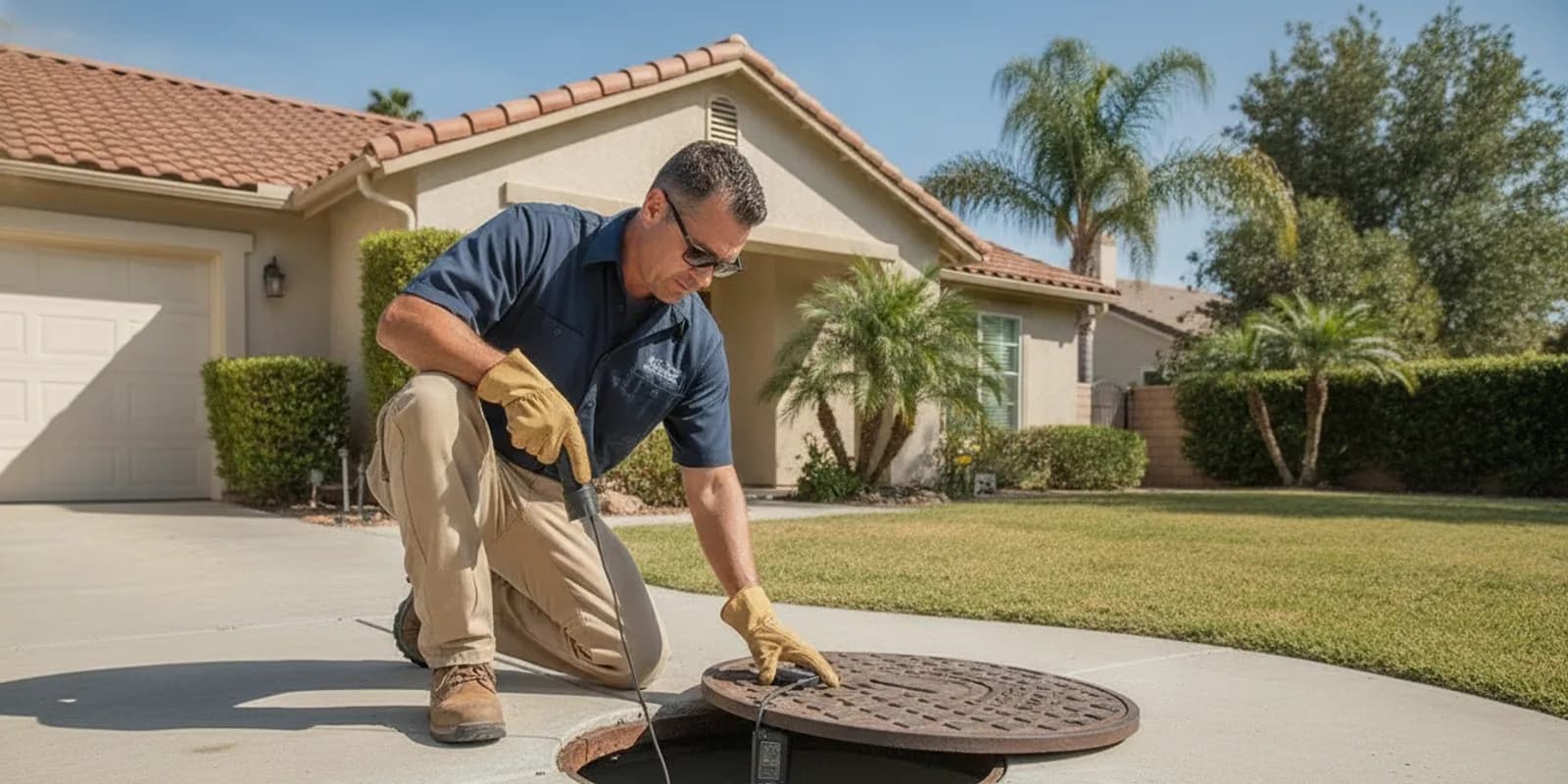
A septic inspection before buying a home in Ventura County can help you understand what is known about the system before you commit to a property. The most useful inspection is not just a quick look at the tank: it gives you information to discuss with the seller, your real estate professionals, and a qualified septic provider while your purchase timeline still allows for follow-up.
Request help with a septic inspection
Septic inspection before buying home Ventura County: What should a buyer expect?
A buyer needs practical findings, not a vague assurance that the system is "fine." The inspection should help clarify the system's observable condition, how it is configured, what could not be checked, and whether another evaluation or repair discussion is warranted. It should also leave you with a written record you can review with the people advising you on the transaction.
A septic system typically includes a tank and a way to treat and disperse wastewater, such as a leach field or seepage pit. The exact layout and components vary. Ask the seller for any available records, and ask the inspector to identify the components they located and examined. If an area could not be accessed or a system feature could not be confirmed, that limitation matters to your decision.
Keep this checklist focused on the buyer's decision: what to request, how to interpret the report, and what to clarify before deadlines. It is not a substitute for the system-specific recommendations of an experienced inspector. For an overview of the company's septic inspection and system services, see the service page.
Septic inspection before buying home Ventura County: How can you prepare?
Before the visit, gather the information already available instead of relying on memory or a verbal summary. Ask the seller or listing contact for documents about the tank, prior inspections or pumping, repairs, permits, and any known problems. Records may be incomplete, so treat them as background to verify, not proof of present condition.
- Ask what system is on the property. Request any site plan, installation record, permit information, or description of the tank and dispersal area. Note what remains unverified.
- Request service history. Look for dates and descriptions of pumping, maintenance, repairs, backups, or recurring wet areas. A receipt can document a past service, but does not by itself establish current performance.
- Share known symptoms. Tell the inspector about slow drains, sewage odors, backups, unusually wet ground, or concerns raised by the seller. Include when and where they occurred.
- Confirm access. Ask who will locate access points and arrange access to the property. Do not uncover or enter a tank yourself; keep children and pets away from openings.
- Check the purchase timeline. Tell your agent or transaction representative when your inspection and investigation deadlines fall, and allow time for a follow-up if the first visit raises questions.
For local availability and the types of work offered, review the Ventura County and nearby service areas before arranging a visit. A provider can tell you whether the property is within its service area and what information is useful to have ready.
What should a buyer ask the inspector to examine?
Confirm the scope before the inspection begins. Ask what the visit includes, which components can be evaluated, what access is needed, whether records or a separate service are required, and what the written report will contain. Inspection methods and access limitations vary by property and system; do not assume every inspection includes pumping, excavation, or a full test of every component.
At a minimum, ask the inspector to explain the parts of the system they identified and the observations they were able to make. Depending on site conditions and the agreed scope, the evaluation may consider the tank, accessible lids and components, evidence of leakage or damage, and the area serving as the dispersal field. Ask how any observed conditions relate to the system's apparent operation, and what additional step would resolve uncertainty.
It also helps to ask whether the inspector can explain where the tank and dispersal area are located, and whether those locations should be protected from vehicle traffic or future landscaping or construction. A buyer should not assume that a general home inspection covers the septic system in the detail needed to assess it. Confirm who is responsible for each part of your due diligence.
How do you compare a septic inspection, pumping, and repair evaluation?
These services answer different questions. A buyer-focused inspection documents condition within an agreed scope. Pumping removes contents from the tank as a service; by itself, it is not a complete condition assessment. A repair evaluation looks more closely at a specific concern and may require additional diagnostic work. Ask which service is proposed and what information it will produce before authorizing work.
| Need | What it can help clarify | What to confirm first |
|---|---|---|
| Buyer septic inspection | Observed condition, accessible components, limitations, and recommended follow-up | Scope, access, report format, and whether tests or records review are included |
| Septic tank pumping | Removal of tank contents as a maintenance or service task | Whether pumping is appropriate and whether a separate inspection is needed |
| Focused repair evaluation | A closer look at a concern such as a suspected tank, pipe, or dispersal-area issue | What diagnostic steps are proposed and what the findings can establish |
| County or permitting inquiry | Information about county processes, records, or an applicable public inspection | Which agency handles the question and whether its process meets your purchase needs |
If pumping is recommended, ask why it is needed in this particular situation and whether the buyer's inspection should happen before or after it. A pumped tank is not automatically a passing system, and pumping alone does not answer every question about pipes, the dispersal area, or prior repairs. Learn more about septic tank pumping services and ask how that service differs from the inspection you are arranging.
Ask about a septic inspection before your contingency deadline
How should you read the report and decide what comes next?
Read the full report, including its limitations and recommendations. Separate three kinds of information: what the inspector directly observed, what could not be confirmed, and what action is recommended. If the report uses terms you do not understand, ask the inspector to explain them in plain language and identify which finding supports the recommendation.
- Check the system description. Does the report identify the components and areas inspected? If the configuration is uncertain, ask what records or additional evaluation could help confirm it.
- Look for access limits. Note components that were buried, inaccessible, blocked, or outside the agreed scope. An unexamined component should not be treated as confirmed satisfactory.
- Separate current observations from future concerns. Ask whether a note describes a defect observed now, a maintenance recommendation, or a condition that could not be determined during the visit.
- Get recommendations in writing. If follow-up is advised, ask what service or test is proposed, what it will establish, and whether the provider can explain the result to you.
- Share the report promptly. Give it to your real estate professional and other relevant advisors while you still have time to consider the findings under your transaction schedule.
For example, a report might document that a component was not accessible and recommend further investigation. That is different from a confirmed failure. It is also not the same as evidence that the component is working. The next question is what reasonable step can reduce the uncertainty, how long it may take, and whether the seller or buyer will arrange it. Your purchase decision and any request to the seller are yours to discuss with your real estate and legal advisors.
If a concern points specifically to the dispersal area, ask what was observed and what further evaluation is appropriate before assuming the whole system needs replacement. Conejo Bros provides information about leach field repair considerations; the right next step depends on the property's actual findings.
How can you turn inspection findings into a useful buyer checklist?
Once you have the written report, make a short list of questions rather than trying to diagnose the system yourself. This keeps the follow-up focused and helps everyone involved distinguish a confirmed observation from a concern that still needs investigation. For each item, record the report's wording, the component or area involved, and the next step the inspector recommends.
- Confirmed observation: What condition did the inspector actually see or test? Ask for the location and supporting explanation if the report is unclear.
- Unknown or inaccessible: What could not be checked, and what would be needed to evaluate it? Ask whether the limitation is about access, records, or the inspection scope.
- Recommended action: Is the next step maintenance, a separate diagnostic service, a repair estimate, or a question for the county? Ask what result to expect from that step.
- Timing: How soon can the follow-up occur, and will it fit within the transaction schedule? Share the deadline with your real estate professional.
For example, imagine the report notes an area of concern but cannot determine its cause during the initial visit. Rather than treating that wording as a definite system failure, or dismissing it as routine, ask what further evaluation could answer the open question. If a service provider recommends work, ask them to explain the condition that supports the recommendation and what alternatives, if any, are appropriate. Keep estimates and findings separate: a proposed repair is not the same thing as a documented diagnosis.
Also check that the report and any seller documents refer to the same property and system components. If dates, locations, or system descriptions do not line up, ask for clarification before relying on them. Where a document is missing, note that gap and ask whether the seller, county, or service provider may have relevant information. No single document should be treated as a complete history unless its scope and date support that conclusion.
Finally, bring the information together with your transaction team. The inspector can explain technical findings and limitations. Your real estate and legal advisors can discuss how those findings relate to your purchase process and deadlines. A septic service provider can explain available follow-up work. Keeping those roles clear helps you get useful answers without asking any one person to decide whether the property is right for you.
When should you contact Ventura County about a septic system?
A private buyer's inspection and a county environmental-health process may serve different purposes. If you need county records, want to ask about an applicable inspection, or have a permitting question, contact the county office directly and confirm what its process can establish for your transaction. Do not assume a county visit replaces a buyer-specific assessment, or vice versa.
Ventura County's Septic Systems / Wastewater Disposal page directs readers to call for inspections and notes that scheduling an inspection appointment may take up to two business days. If timing is important, make the inquiry early and confirm current scheduling details with the county. Keep the county's response with your transaction records.
If the property may connect to a public sewer rather than continue using an onsite system, clarify who is responsible for that question. For projects involving city or public works coordination, the company's public works services page describes its work in that area. That is a separate question from determining the condition of an existing septic system.
What should you clarify before your inspection contingency ends?
Before the relevant deadline, make sure you can answer these practical questions:
- Was the inspection completed by a provider with an agreed, clearly described scope?
- Did the report identify what was examined and what could not be evaluated?
- Are there findings that need explanation, records, or additional testing?
- Does a recommended service answer the specific open question, or is it a different task such as routine pumping?
- Can the follow-up be arranged in time, and who will coordinate access?
- Have you shared the written findings with the people advising you on the purchase?
Do not wait until the final day to ask about a significant unknown. If a second visit or county inquiry may be needed, alert your agent or transaction representative so they can help you understand your options and timing. Keep copies of reports, receipts, correspondence, and any seller-provided system records together. If the system needs repairs, a provider can explain the observed condition and possible work; your real estate and legal advisors can help with the transaction implications.
Owners in Thousand Oaks can also see the local Thousand Oaks septic and plumbing service area. For information about scheduled maintenance, including tank service, use the septic pumping page as a service reference rather than treating pumping as a substitute for a buyer inspection.
When you are ready to discuss an inspection or a finding in your report, learn about Conejo Bros Plumbing and its local services, or use the contact option below to share the property location and your question.
Request a septic inspection discussion
Frequently Asked Questions
Does a home inspection always include a septic inspection?
Do not assume it does. Ask your home inspector and real estate professional what is included in the inspection agreement, then arrange a septic-specific evaluation if you need one. Confirm the septic provider's scope and written deliverable separately.
Does septic tank pumping prove the system is in good condition?
No. Pumping is a service that removes tank contents. It does not, by itself, establish the condition of every component or the dispersal area. Ask whether a separate inspection or diagnostic evaluation is appropriate for the question you need answered.
Should I rely on the seller's old septic records?
Use records as helpful background, but check their dates, scope, and relevance to the current system. A past service receipt or report does not necessarily describe present conditions. Share available documents with the inspector and ask what they can and cannot confirm.
How soon should I schedule a county inspection?
Ask the county as early as possible. Ventura County's septic information page says inspection appointments may take up to two business days to schedule; verify current timing directly with the county and account for your purchase deadlines.
Contact Conejo Bros Plumbing to discuss a septic inspection
A clear report, timely follow-up, and candid discussion of what remains unknown can help you make a more informed decision about a Ventura County property.