
Drain Cleaning Services: How to Choose the Right Option
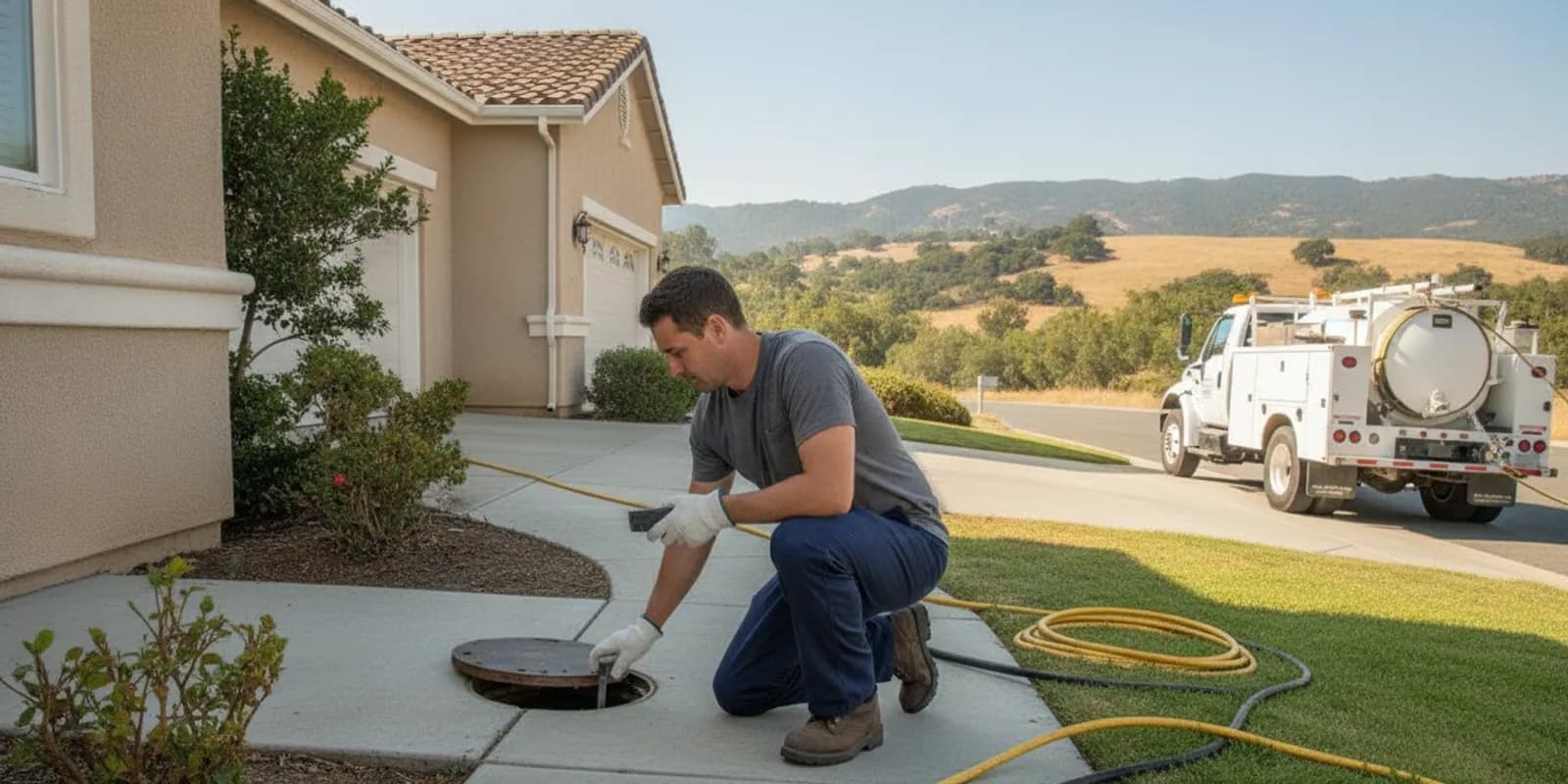
Drain cleaning services can mean several different kinds of work, from clearing one blocked sink line to investigating a recurring sewer problem. The right starting point depends on where the blockage is, how often it returns, and whether other fixtures are affected. This guide helps Conejo Valley and Ventura County homeowners and property managers compare common options and prepare useful information before contacting a drain professional.
Request help with a drain problem
What do drain cleaning services include?
Drain cleaning is not one single procedure. A technician may use mechanical equipment to clear an obstruction, water pressure to wash material from a line, or a camera to learn why a blockage keeps coming back. These methods serve different purposes. A tool that helps with a localized sink clog may not be the right choice for a main sewer line or an outdoor area drain.
Start by identifying the affected fixture and the pattern. Is one sink slow, or are several fixtures backing up? Did the problem begin after a specific event, such as heavy rain or a large amount of material going down a drain? Has it happened repeatedly in the same place? These observations help narrow the service conversation without assuming the cause.
For an overview of residential drain cleaning in Thousand Oaks, see the service information. A recurring or widespread issue may also involve the sewer line, which is why it helps to distinguish a fixture drain from the route that carries wastewater away from the building.
How do you choose among drain cleaning services?
Match the service to what is known, rather than choosing a method by name alone. A first-time, isolated blockage may need a straightforward clearing. A stubborn or recurring issue may call for inspection before selecting a repair or more intensive cleaning approach. If the blockage is outdoors, leaves, sediment, and runoff patterns may matter more than what is happening inside the home.
| What you notice | Possible first step | Why it may fit |
|---|---|---|
| One sink, tub, or shower drains slowly | Describe the fixture and request drain clearing guidance | A localized obstruction may be limited to that branch drain |
| A main line is stopped or multiple fixtures are affected | Ask about main-line clearing and whether a camera inspection is appropriate | Several symptoms can point to a shared downstream line, which needs to be assessed |
| A blockage returns after clearing | Discuss a sewer camera inspection before repeating the same approach | Seeing the pipe can help identify conditions that a clearing alone does not explain |
| There is buildup along the pipe interior | Ask whether hydro jetting or drain descaling is suitable for the line | These are different cleaning approaches, and the pipe condition affects the choice |
| Water collects around an outdoor drain during runoff | Describe the location and ask about area-drain evaluation | Outdoor drainage may relate to the grate, connected line, or the way water reaches it |
The table is a conversation guide, not a diagnosis. A technician may recommend a different step after learning the layout and condition of the drain. If you are comparing providers, ask what the proposed method is intended to address and what information supports that recommendation.
A useful way to choose is to move from the simplest known fact to the next question. First, name the exact drain. Next, explain whether the problem is new or recurring and whether other fixtures changed at the same time. Then ask whether the proposed work is meant to restore flow, identify a cause, or address pipe buildup. A recommendation is easier to evaluate when it connects each of those steps.
For example, a slow bathroom sink with no other symptoms is different from a floor drain backing up when a toilet is flushed. The first description points to a localized fixture concern to assess. The second suggests that more than one part of the drainage system may be involved, so it is worth telling the technician about both fixtures rather than requesting a specific tool by name. In either case, avoid deciding that the line is damaged before it has been assessed.
When is drain clearing the likely service to discuss?
Drain clearing is generally the first service to ask about when a specific drain is obstructed and the immediate goal is to restore flow. A professional may use a drain machine or another suitable tool to reach and break through the blockage. The appropriate equipment depends on access, the pipe, and what is causing the stoppage.
Make clear whether the affected drain is a sink, tub, shower, floor drain, or main line. Mention whether other fixtures are behaving differently. If the issue is a main-line stoppage and there is an accessible cleanout, tell the team when you call. Those details help identify the service need. See information about professional drain clearing and the company's sewer clearing service.
Do not keep running water into a drain that is backing up. Avoid mixing household chemicals or adding another product after using a drain cleaner. If wastewater is coming up through a fixture, stop using nearby plumbing and explain what is happening when arranging service. These steps limit additional water and help the technician understand the urgency.
It also helps to note whether the problem changes when a particular fixture runs, or whether the drain is slow even when no other plumbing is in use. Do not force a tool into a fixture or cleanout if you are unsure how to use it; a damaged pipe or an inaccessible obstruction can complicate the problem. If you have already attempted a basic clearing, tell the technician what you tried and whether flow changed at all. A brief account is more useful than repeating the same attempt without new information.
When might hydro jetting or descaling be considered?
Hydro jetting uses pressurized water to clean the inside of a pipe. It may be considered when buildup or debris needs more than a basic clearing. It is not a universal solution for every blockage. The line's condition, access, and the type of material present matter. Ask what evidence suggests jetting is appropriate and whether the pipe should be inspected first.
Drain descaling is a separate service intended to address scale or hardened deposits on the pipe interior. It is not interchangeable with ordinary clearing or hydro jetting. If a line has recurring flow problems, ask whether the concern is a removable obstruction, interior buildup, or a defect that requires a repair plan. Learn more about high-pressure drain jetting and drain descaling.
For these more involved methods, useful questions include: What did the initial inspection show? Is the proposed work intended to restore flow, remove buildup, or both? Could the line's condition affect the method? What will the technician check afterward? Clear answers make it easier to understand the difference between a temporary opening and cleaning work aimed at the pipe interior.
Think of the options by their purpose. Clearing focuses on an obstruction that is preventing flow. Jetting uses water pressure to wash material from a line when the conditions support that approach. Descaling targets deposits that adhere to the inside of a pipe. A camera inspection gathers visual information; it is diagnostic rather than a cleaning method on its own. A job may involve more than one step, but it is reasonable to ask why each is being proposed and what result it is expected to provide.
The words used to describe a service can vary. Ask the provider to explain the work in plain language, including where the equipment will be used and whether it addresses the symptom or the suspected cause. If a technician identifies a pipe concern that is separate from the blockage, ask what options exist and what evidence supports them before making a decision.
When should a camera inspection be part of drain cleaning services?
A camera inspection can help when a stoppage is recurring, when symptoms suggest a main sewer line issue, or when the cause is not clear from the initial service call. The camera provides a view inside the accessible pipe. It can help the technician discuss what is visible and whether a clearing, cleaning, or repair is a reasonable next step.
An inspection does not automatically mean that a major repair is needed. Its value is in gathering information before choosing the next step. Ask whether the camera can reach the affected section, what the inspection did and did not reveal, and whether you can review the findings. The details can also help distinguish an interior obstruction from a damaged or misaligned section that may need a separate repair.
Review the service details for drain camera inspection in Ventura County. If the suspected issue is beyond a household branch drain, the sewer inspection and repair service information may also help you frame your questions.
What should you know about outdoor area drains?
Outdoor drains have a different job from sinks and showers. Area drains collect runoff from yards, patios, and other low points, then direct it into a connected drainage route. Leaves, dirt, and other debris at the grate can slow intake. If the grate is clear but water still pools, the restriction may be farther into the system, or the water may not be reaching the drain as intended.
Before requesting help, note where water gathers and when it happens. Does it happen only during heavy rain? Is the drain near a slope, planter, driveway, or pool? Is there more than one affected drain? Avoid removing covers or reaching into a drain if doing so is unsafe. A photo of the area from a safe distance can help explain the layout.
Conejo Bros refers to yard drains as area drains. Learn about yard and area-drain services or, if the concern is around a pool deck, review the pool drain service. Clearing an outdoor grate may help when debris is visible, but it should not be assumed to resolve a recurring drainage problem below ground.
What information should you share before service?
A short, specific description is more useful than a guess about the cause. Gather the details that are easy to observe and do not attempt a risky inspection. For a home or managed property, include:
- Location: Identify the fixture, floor, room, outdoor drain, or cleanout involved.
- Pattern: Explain whether the issue is constant, occasional, or linked to water use or rain.
- Scope: Say whether one drain or several fixtures are affected.
- History: Note whether the problem has happened before and what was done, if known.
- Current symptoms: Describe slow drainage, a complete stoppage, gurgling, standing water, or visible backup.
- Access: Mention known access points, such as an accessible cleanout, and any property access needs.
For a property manager, tell the technician which occupants or units are affected and whether the problem is isolated to one area. For a real estate customer, describe the inspection question and any deadline that affects coordination. Do not assume that a prior clearing resolved the underlying condition if symptoms have returned.
For a multi-unit building, it can be helpful to ask occupants whether the same symptom is occurring elsewhere, without asking them to test the plumbing. Record the locations and times reported. For a single-family home, note if a fixture is rarely used or if the blockage began after a change in use. This context does not prove the cause, but it helps make the initial service discussion more precise.
If you are unsure whether the problem is inside or outside the property, describe the visible signs instead of assigning responsibility. For example, share whether backup is limited to a private fixture, whether a cleanout is accessible, or whether a street-side area appears affected. A professional can help explain what should be assessed next and whether another party needs to be contacted.
When you contact the team, share the service location and the best way to reach you. Conejo Bros serves Thousand Oaks and nearby communities across the Conejo Valley and Ventura County. Check the service-area information if you are unsure whether your location is covered. For urgent concerns, state plainly if water or wastewater is actively backing up.
How can you compare drain cleaning recommendations?
Good service recommendations should connect the reported problem to a clear next step. Ask what the technician believes is happening, what observations support that view, and what the proposed work is designed to accomplish. If the recommended method is more involved than a basic clearing, ask what makes that method appropriate for your pipe and circumstances.
- Ask about scope: Which drain or pipe section will be addressed?
- Ask about method: Is the goal to open a blockage, remove buildup, inspect the line, or repair a defect?
- Ask about findings: What was observed, and what remains uncertain?
- Ask about follow-up: What should you watch for after service, and what would warrant another evaluation?
For sewer concerns, a second opinion can be useful when a proposed repair involves digging. Conejo Bros offers trenchless options where suitable; suitability depends on the actual pipe and job conditions. Explore the information on trenchless sewer repair and pipe relining, and ask the technician to explain how the findings relate to the recommended approach. Not every pipe or repair can be handled with a trenchless method.
When does a drain issue involve public works?
Some drain and sewer questions may involve infrastructure or approvals beyond a property's private plumbing. If the issue appears to involve a street lateral, city sewer connection, or public right-of-way, explain what you have observed and ask which party or agency should be involved. Do not assume the property owner or a city department is responsible until the boundary and location are clarified.
Conejo Bros has a public-works specialist section covering DWP and city public works, street-lateral replacement, traffic control, City planning and permits, septic-to-city-sewer rerouting, and pre-construction plumbing bids. See public works specialist services for that work scope. For a blockage that is clearly within a home, start with the affected drain and the symptoms rather than treating every stoppage as a municipal issue.
For a broader facilities-services context, see Ohio State University's Plumbing and Drain Cleaning reference. It is a university facilities page, not a diagnosis of an individual home's drain.
What should you expect during a drain service visit?
The visit should begin with a discussion of the symptoms and access. The technician may ask which fixtures are affected, whether the issue is recurring, and whether there is an accessible cleanout. Depending on the job, the next step may be to assess the blockage, clear it, or recommend an inspection to understand why it formed.
Before work begins, make sure you understand what area the proposed service covers and what it is expected to do. Keep the affected area accessible and move items away from the fixture or cleanout when practical. If you are managing a home or commercial property, arrange access to the relevant spaces and let occupants know which fixtures should not be used during the work.
After service, ask what was found and whether any follow-up is recommended. If the same symptoms return, record when they started and which fixtures are involved. That record can help the next assessment. A cleared drain and a confirmed explanation for a recurring blockage are not always the same outcome, so ask what the service established.
Before the visit ends, make sure you know which area was serviced and whether any fixture should be monitored. If a camera or other diagnostic step was used, ask what the findings show in ordinary terms and whether any limits affected the inspection. Keep any notes or documentation with your property records, especially if you manage the building or expect another service visit later. A written record can prevent confusion about which drain was worked on and what symptoms were present at the time.
Contact Conejo Bros to discuss your drain service needs
Frequently asked questions
Are drain clearing and drain cleaning the same thing?
The terms are sometimes used broadly, but a clearing usually means opening a blockage so flow can return. Cleaning may refer to removing buildup from more of the pipe interior. Ask what the proposed service includes and what problem it is intended to address.
Should I try a chemical drain cleaner first?
Use caution with chemical products, especially if water is standing or you have already used another cleaner. Do not mix products. Tell the plumbing team what has been used before they work on the drain, and follow product safety directions.
Does a recurring clog mean the sewer line needs replacement?
No. A recurring clog is a reason to understand the cause, not proof that replacement is necessary. A camera inspection or other evaluation may help determine whether the issue is buildup, an obstruction, or a pipe condition that needs repair.
What is the difference between an area drain and a household drain?
A household fixture drain carries wastewater from a sink, tub, or similar fixture. An area drain collects outdoor runoff from surfaces such as a yard or patio. The location and water pattern help identify which service discussion is relevant.
Can one service method clear every type of blockage?
No. The best method depends on the material, pipe condition, access, and location of the problem. A technician can explain why a particular approach fits the findings and whether inspection should come first.
Request help with drain cleaning services today and describe which drain is affected, what symptoms you see, and whether the problem has returned. Clear details help the team understand the service need and discuss an appropriate next step.