
What Does a Septic Tank Alarm Mean, and When Is Septic Tank Repair Needed?
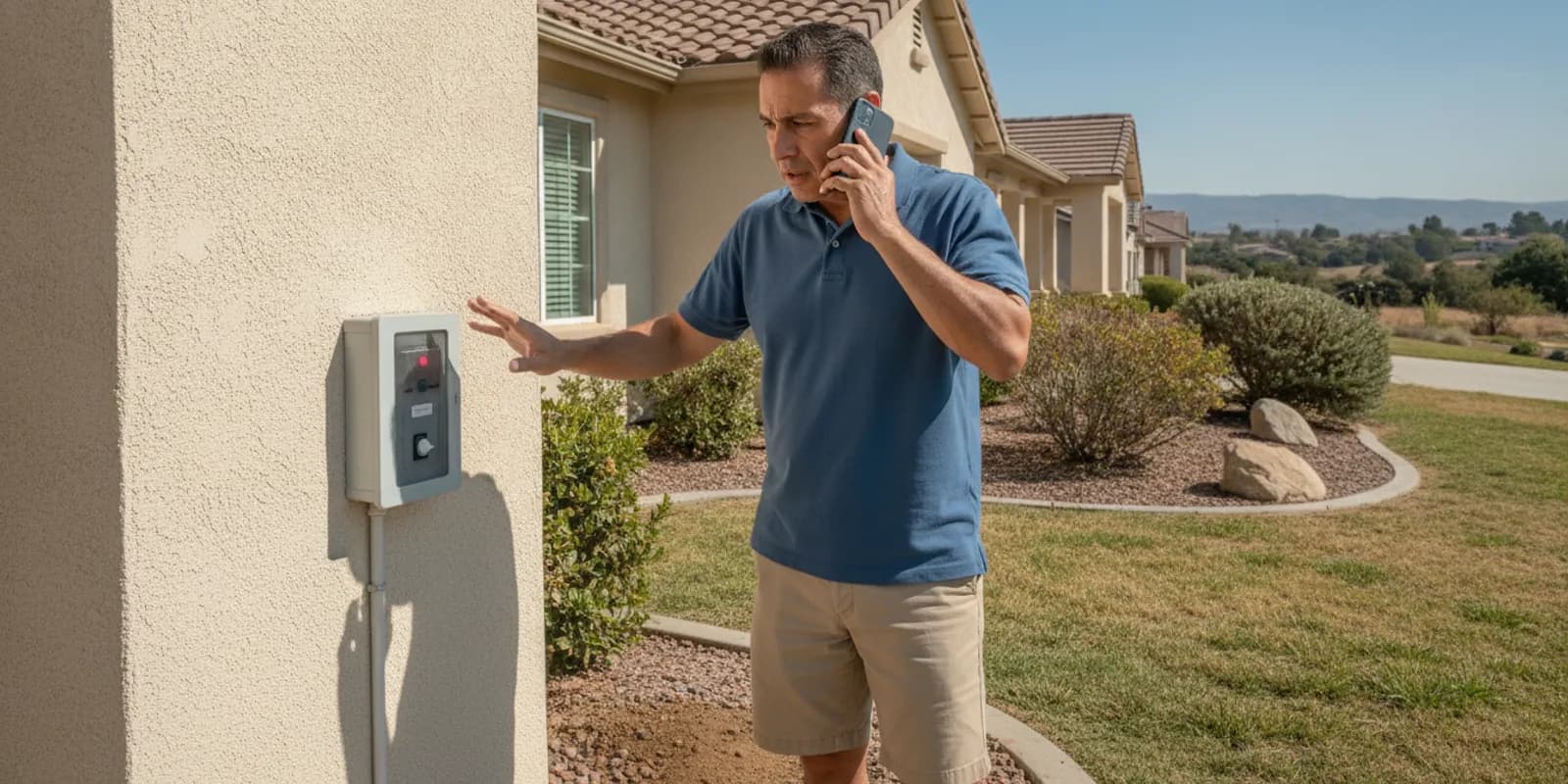
A septic tank alarm can be unsettling, especially when you are not sure whether it signals an immediate problem. In many systems, an alarm means water in a pump or dosing chamber has reached a level that needs attention. A power interruption, pump problem, float switch, or unusually high water use may be involved. Understanding what the alarm can indicate helps you take safe first steps and decide whether septic tank repair is needed.
Contact the septic service team
What does a septic tank alarm mean?
A septic alarm is a warning from a system component, not a diagnosis of the entire septic system. Many alarms monitor the liquid level in a pump chamber or a tank with a pump. If the liquid rises above the float's set point, the alarm alerts you that the system may not be moving wastewater as expected. The exact meaning depends on the system design and the alarm panel, so check the owner's information or system label if you have it.
In a conventional gravity system without a pump chamber, there may be no alarm at all. In a pressure-distribution or other pumped system, a control panel can monitor water level, pump operation, or electrical conditions. A warning could point to a failed or obstructed pump, a stuck float, a tripped breaker, a control issue, or a temporary increase in incoming water. It can also appear after heavy rain if saturated soil limits the system's ability to disperse effluent. These are possibilities, not conclusions: a technician needs to inspect the system to identify the cause.
An alarm by itself does not prove that the septic tank is full or that the drain field has failed. Nor should you assume the alarm can be ignored because drains still work. The alarm is meant to provide warning before a problem becomes more disruptive. For an overview of the company's septic system repair and pumping services, see the septic service page.
What should you do when the alarm sounds?
Start with simple, safe checks. Keep people and pets away from any sewage, wet ground, or exposed electrical equipment. Do not open a tank, climb into a chamber, touch wiring, or remove a pump or float. Septic tanks can contain hazardous gases, and electrical components near water should be handled by a qualified professional.
- Note what the panel is showing. Record which light is on, whether there is a sound or code, and when the alarm began. Take a photo of the panel from a safe position if it helps you explain the issue.
- Check whether power is interrupted. If it is safe and the electrical panel is dry and accessible, look for a tripped breaker without opening the septic alarm enclosure. Do not repeatedly reset a breaker that trips again. Do not approach electrical equipment in standing water.
- Reduce water use. Pause laundry, long showers, baths, dishwasher cycles, and other avoidable water use. Ask household members to limit flushing to necessary use. This can reduce the amount entering a chamber while you arrange an assessment.
- Look for visible warning signs from a distance. Notice sewage odors, wet or unusually green ground over the system, slow drains, gurgling, or wastewater backing up. Do not walk through a wet area that may contain sewage.
- Contact a septic professional if the alarm remains on or symptoms appear. Share the alarm details, any recent outage or storm, household water-use changes, and whether one or multiple fixtures are affected.
Some panels have a silence or acknowledge button. Use one only as the manufacturer's instructions describe; silencing a buzzer does not correct the underlying condition. Avoid repeatedly switching the system off and on, bypassing a float, or testing a pump by opening equipment. If the alarm returns after being acknowledged, treat it as an active warning.
Which signs make a septic alarm more urgent?
Call for prompt help if wastewater is backing up into a home, sewage is surfacing outdoors, a strong sewage odor is present, or the alarm stays active after you have reduced water use and checked for an obvious safe-to-check power interruption. Keep children and pets away from any affected area. Avoid contact with sewage and do not hose it toward a storm drain or neighboring property.
A high-water alarm with no indoor backup still deserves attention. A pump chamber can have limited reserve capacity, and continued water use may raise the level further. If the alarm occurs during or after heavy rain, avoid assuming the rain is the only cause. Saturated ground may contribute, but the pump, float, electrical supply, or another part of the system could also need inspection.
If the alarm is intermittent, write down when it activates and what was happening beforehand. Note whether it follows laundry, multiple showers, irrigation, or a power outage. This information can help narrow the inspection, but do not delay a call when there is a backup or surfacing wastewater. For related system concerns, Conejo Bros also provides information on leach field repair options.
What might cause the alarm?
The following possibilities help explain why an alarm can sound. Only an inspection can identify which one applies to your equipment.
| Possible cause | What you may notice | Safe next step |
|---|---|---|
| Power interruption or tripped breaker | Alarm begins after an outage, or the system panel shows a power warning | Check a dry, accessible household breaker once; call if it trips again or the alarm continues |
| Pump not moving wastewater | High-water warning persists, perhaps with slow drains or a backup | Reduce water use and arrange professional inspection; do not open the chamber |
| Float switch or control issue | Alarm activates unexpectedly or does not clear as expected | Record the panel status and have the switch and controls checked |
| High incoming water use | Alarm follows a period of many loads, showers, or other water use | Limit nonessential water use and monitor for continuing warning or symptoms |
| Wet or saturated soil | Alarm follows prolonged rain; ground near the system may be unusually wet | Keep traffic off the drain field, reduce water use, and request assessment if the alarm remains |
| Blockage or other system problem | Slow fixtures, gurgling, odors, or wastewater surfacing may occur | Stop avoidable water use and seek prompt diagnosis rather than trying chemical treatments |
These signs overlap. For example, a high liquid level can result from a pump issue, excessive flow, or another restriction. A warning light cannot tell you whether the tank needs pumping, a pump or float needs attention, or a broader repair is appropriate.
How is the alarm checked and repaired?
A professional assessment generally starts with the alarm panel and the system's service history. The technician may ask what the panel shows, when the warning began, whether power was interrupted, and whether fixtures are draining normally. Depending on the type of installation and safe access, the inspection can include the pump, float switches, controls, electrical supply, chamber level, and the route wastewater takes through the system.
The repair depends on the finding. A power or control problem is different from a pump that cannot operate, a float that is stuck, a blockage, or a tank that needs service. Pumping may be part of the solution in some situations, but it is not a universal fix for an alarm. A system that continues to alarm after pumping needs the cause investigated rather than repeated service without diagnosis.
The Kezar Watershed District's overview of common repairs for a malfunctioning septic system discusses a range of possible repair work. Its general point is useful here: symptoms alone do not identify which repair a system needs. Ask the professional to explain what was checked, what the alarm indicates for your specific system, and what work is recommended before proceeding.
Conejo Bros Plumbing offers septic inspection, pumping, repair, design, testing, and installation capabilities. Its septic tank pumping information describes one service; an alarm assessment may require a different diagnostic or repair step. If the system involves a leach field or seepage pit, the right next step depends on the observed condition and system layout.
What questions should you ask about a recommended repair?
When an inspection points to a repair, ask the technician to connect the finding to the alarm and any symptoms you reported. You should be able to understand what component or condition was checked, what evidence supports the recommendation, and whether the work is meant to restore pumping, correct a control issue, or address another part of the system. Clear explanations are especially helpful when the alarm and visible symptoms do not seem to match.
- Which part of the system triggered the warning or appears to be malfunctioning?
- What did the inspection show, and what needs attention now?
- Does the recommendation address the alarm's cause, or is it routine maintenance that is also due?
- After the work, how will the system be checked to confirm the alarm condition has cleared?
- Are there any operating instructions or follow-up checks I should know about?
These questions are not a substitute for the technician's judgment. They help you understand the difference between an observed problem and a possible cause, and why a particular step is being suggested. Do not attempt the repair yourself if it involves an open tank, pump, float, wiring, or wastewater. Ask the service professional to explain any immediate precautions for your property while the issue is being addressed.
A repair discussion should also distinguish urgent safety or backup concerns from maintenance that can be scheduled separately. If there is active sewage backup or surfacing wastewater, report that first and follow instructions to limit exposure. If the alarm is active without visible backup, still explain that clearly rather than describing it as an emergency without context. Accurate details help the team determine an appropriate response.
How is an alarm different from other septic warning signs?
A septic alarm is an electronic warning tied to the equipment or liquid level being monitored. Other signs come from how the plumbing and soil are behaving. Keeping those observations separate can help you give a clearer report to the service team, but none of them can replace an inspection.
- Alarm sounds, but fixtures seem normal: The warning may be catching a rising level before indoor plumbing changes are noticeable. Treat the alarm as meaningful and cut back on water use rather than waiting for a backup.
- Slow drains without an alarm: The system may not have an alarm, the alarm may not cover that part of the system, or the drain issue may have another cause. Tell the technician which fixtures are slow and whether the problem affects the whole home.
- Wet ground or odor without an alarm: A surface symptom can occur even when a panel is silent. Keep away from the area and arrange assessment, especially if wastewater is visible.
- Alarm after a power outage: An outage is useful context, but does not confirm that power is the only issue. If power has returned and the alarm remains, report that rather than repeatedly resetting equipment.
Do not rely on a single symptom to decide that the tank needs pumping or the drain field needs replacement. A technician can compare the alarm state with the system layout, the condition of the pump and controls, and the symptoms at the home. That step helps avoid treating an assumed cause instead of the issue actually found.
How should Ventura County homeowners prepare for service?
When you contact a septic professional, a few details can make the first conversation more useful. You do not need to diagnose the system yourself. Share what you observed and let the technician determine what inspection is appropriate.
- The alarm's color, sound, display, or any code shown, along with a photo taken safely.
- When it started, whether it is continuous or intermittent, and whether it followed a power interruption or heavy rain.
- Whether water is backing up, fixtures are slow, odors are present, or wet areas have appeared outdoors.
- Any recent change in water use, such as guests staying over or several laundry loads.
- Available records about past pumping, inspections, repairs, or the system's location and design.
Do not remove a tank lid to find the system or expose a component. If you are not sure where the tank or pump chamber is located, mention that when you call. Homeowners in the service area can find more information about septic and related services in Ventura, Oxnard, or Camarillo.
If the alarm is accompanied by a drain problem, explain whether one fixture or several are affected. A single slow sink may have a different cause from multiple fixtures draining slowly or backing up. The company's sewer inspection and repair service and drain cleaning service cover other kinds of drainage concerns, but a technician should assess whether they are related to the septic alarm.
What information helps identify the alarm type?
Homeowners may call any outdoor warning box a septic tank alarm, but systems can use different panels and monitoring points. If you have a manual, service tag, installation record, or paperwork from a prior inspection, keep it available for the technician. Do not remove covers to search for a model number or reach an electrical component. A photograph of the outside label or the panel display is enough if it can be taken without touching equipment.
Also clarify whether the warning is a steady light, a buzzer, a flashing indicator, or a message on a control panel. Describe whether it clears and returns, and whether anything changed around the same time. For example, a recent power interruption, unusual amount of water use, or a period of heavy rain can provide useful context. It does not establish the cause, but can guide the questions asked during assessment.
If you recently bought the property, ask whether the seller or prior owner left septic records. You can also look for inspection or pumping paperwork in your home-maintenance files. If records are missing, simply tell the service team that you do not know the system's history. Do not delay a call to hunt for documents when wastewater is backing up, surfacing, or creating an odor. A clear description of current symptoms is the most important information in that situation.
How can you reduce the chance of another alarm?
Follow the system manufacturer's and service professional's recommendations for routine inspection and maintenance. Keep records of service, repairs, and alarm events in one place. Know where the alarm panel is, how it signals a warning, and what its manual says about acknowledging an alert. Make sure household members know to report a warning rather than silence it and forget about it.
Use water thoughtfully, especially while a warning is active. Avoid sending wipes, grease, hygiene products, or other items not intended for a septic system into household drains. Do not drive or park heavy vehicles over the tank or drain field, and keep roof drains and surface runoff directed away from the system where feasible. These practices do not prevent every mechanical or electrical failure, but they can help avoid unnecessary strain and protect access to the system.
Keep in mind that septic maintenance needs vary with system design, household use, and site conditions. A schedule that was suitable for another property may not be right for yours. Ask the service professional to explain a maintenance plan based on your system rather than relying on a generic interval alone. You can also review the company's about page and contact the team through its contact and service request page.
Request help with a septic tank alarm
Frequently asked questions about septic tank alarms
Can I keep using water when the septic alarm is on?
Reduce water use as soon as you can. Avoid laundry, long showers, baths, and other nonessential use while the alarm is active. If wastewater is backing up or surfacing outdoors, stop avoidable water use and seek prompt help.
Does a septic alarm mean the tank is full?
Not necessarily. Many alarms monitor a high liquid level in a pump chamber or another part of a pumped system. A high level may have several causes, and the alarm does not by itself confirm that the tank needs pumping. Inspection is needed to determine what is happening.
Should I silence the septic alarm?
Follow the alarm manufacturer's instructions if there is a silence or acknowledge button. Silencing the sound does not repair the condition or make it safe to ignore. Record the warning and contact a professional if it persists or returns.
Can rain trigger a septic tank alarm?
Heavy or prolonged rain can saturate soil and affect how a system operates, but an alarm after rain may also involve a pump, float, power, or control issue. Reduce water use and arrange an assessment if the warning continues, especially if drains slow or wastewater appears.
When should I treat a septic alarm as an emergency?
Seek prompt assistance if sewage backs up inside, appears at the surface, or creates a strong odor, or if the alarm remains active and the system's water level may be rising. Keep people and pets away from affected areas, and do not open the tank or handle electrical parts.
A septic alarm is an early warning to reduce water use, note what the panel shows, and get the system checked if the alert persists. Acting promptly and avoiding unsafe DIY troubleshooting can help clarify whether the issue calls for a minor correction, a component repair, or broader septic service.