
Sewer Pipe Sag Repair: Sewer Line Bellies Explained for Conejo Valley Homeowners
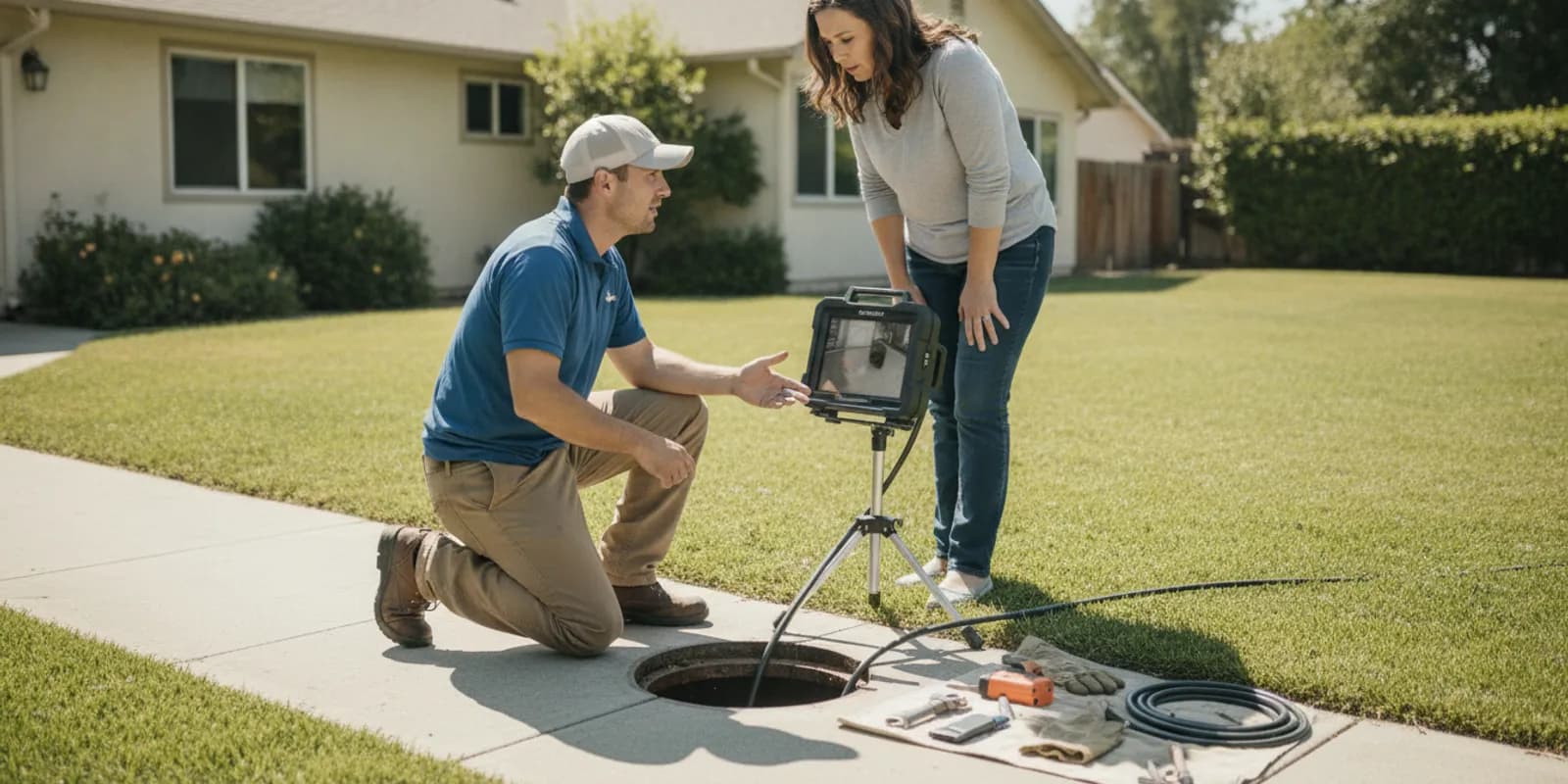
A sewer line belly is a low section of pipe where wastewater can collect instead of flowing steadily toward the main sewer. For homeowners searching for sewer pipe sag repair in the Conejo Valley, the key first step is confirming that a true sag exists and identifying its location, length, and effect on the line. Slow drains or repeat stoppages can have several causes, so symptoms alone do not prove the pipe has settled.
Request a sewer inspection today
What is a sewer line belly Conejo Valley homeowners should know about?
A sewer line belly, sometimes called a sag, is a section of drain or sewer pipe that dips below the intended grade. Gravity systems rely on a gradual slope to move wastewater. If a part of the pipe drops, water and solids may linger in the low area. The dip may be short or extend across a longer section. It may also be shallow enough to have little practical effect, or deep enough to contribute to recurring trouble.
A belly is not the same as every clog, root intrusion, crack, or offset joint. A blockage can cause wastewater to back up even when the pipe has a consistent slope. Roots can enter through joints, and grease or debris can collect on pipe walls. A camera may also show a damaged or displaced section that needs a different repair plan. That is why a diagnosis should describe what the camera actually shows, rather than treating the word “belly” as a complete explanation.
In the Conejo Valley, a homeowner may first hear about a suspected belly after recurring backups, a slow building drain, or an inspection of an older sewer line. The relevant question is not only whether a dip appears on video. Ask whether it holds standing water, how much of the line is affected, whether the camera could pass through, and whether the finding matches the symptoms at the property.
What warning signs may point to a sewer line belly Conejo Valley properties?
A sag can allow water and waste to collect, but the signs are not unique to a sag. Pay attention to patterns over time and whether the problem affects one fixture or several. Helpful clues include:
- Repeated stoppages in the same part of the home. A line that clears and then blocks again may have an underlying condition, but recurring debris, roots, or a damaged pipe can also be responsible.
- More than one drain slowing or backing up. When several fixtures are affected, the trouble may be in a shared branch or the building sewer rather than a single sink trap.
- Water returning after a drain has been cleared. A temporary improvement does not establish why the stoppage formed or whether the line is moving wastewater normally.
- Gurgling or changing drain behavior. Sounds can accompany drainage trouble, but by themselves they do not locate a sag.
- Standing water visible during camera inspection. Water that remains in a segment while the camera is in it may help identify a low point. The view must be interpreted in context, including flow and camera movement.
Odors, damp ground, or unusually lush vegetation can have multiple explanations. Do not assume these prove a sewer belly or try to locate an underground problem by digging. Note when the symptoms occur, which fixtures are involved, and whether a recent clearing changed anything. These details help a technician compare the inspection findings with what you have experienced.
How can a camera inspection confirm a sewer pipe sag?
A sewer camera lets a technician view the inside of an accessible pipe and trace its condition along the route. Before the inspection, explain where the cleanout is, which fixtures are affected, how long the problem has been occurring, and whether prior clearing or repair work was done. If there is an active backup, mention that first so the visit can address the immediate concern safely.
During the inspection, the camera is advanced through the line while the operator observes the pipe interior. The image may show the pipe material, joints, deposits, roots, cracks, offsets, or a low area holding water. The distance markings or other locating methods can help relate an observed defect to the property, depending on the equipment and access available. A clear explanation should distinguish what was directly seen from what is only suspected.
A useful report or walkthrough answers practical questions: Where does the affected section begin and end? Does the pipe appear passable? Is the standing water isolated or present over a longer distance? Are there other defects nearby? Could the camera’s view be limited by debris or water? What repair approaches could address the observed condition, and what are their limitations?
Camera access and visibility are not always perfect. A severe blockage may prevent the camera from reaching the suspected area; water, buildup, bends, or a damaged section can also limit the view. In those cases, the next step may be to restore access or use another appropriate diagnostic approach before making a major recommendation. An inspection can identify evidence of a dip, but it does not automatically determine the exact cause of movement beneath the pipe.
Learn more about drain camera inspection in Ventura County, or review the company’s sewer inspection and repair services. When discussing the findings, ask to see the relevant footage if available and have the location described in plain language.
Why may repeated snaking fail to solve a sewer line belly?
A drain snake is designed to break through or retrieve certain obstructions. It may restore flow when a stoppage is caused by material the tool can reach and clear. It does not lift a settled pipe back into position or change the pipe’s slope. If wastewater repeatedly collects in a sag, the same low area can continue to catch solids after a temporary clearing.
That does not mean every recurring clog calls for excavation or pipe replacement. A stoppage might be caused by roots, grease, wipes, scale, or a localized obstruction, and appropriate clearing may solve that particular issue. The important distinction is between removing the material that is blocking flow and correcting a physical defect in the pipe. A camera inspection can help identify which problem is more likely.
Ask what the previous service accomplished. Did it clear a specific obstruction? Was the line inspected afterward? Did the camera reach the suspected low point? How soon did symptoms return? A record of dates, affected fixtures, and prior findings helps avoid repeating the same approach without learning more. If a line is cleared but symptoms return, seek a diagnosis of the underlying condition rather than assuming a larger repair is automatically necessary.
High-pressure water jetting can remove certain deposits from suitable pipes, but cleaning is not the same as correcting a sag or repairing a compromised section. The right method depends on pipe condition and the obstruction. A technician should explain why a proposed cleaning method is appropriate for the observed line. For more information about sewer clearing, see the drain cleaning service page.
Which sewer pipe sag repair options might be considered?
The right response depends on the inspection evidence, the location and extent of the low section, pipe condition, accessibility, and whether other defects are present. There is no single repair that suits every property. A professional should explain the expected scope and constraints before work begins.
| Option | When it may be considered | What it does—and does not do |
|---|---|---|
| Monitor or obtain more diagnostic information | The finding is uncertain, symptoms are absent or limited, or the camera view did not fully establish the condition. | Clarifies the evidence or tracks change; it does not physically correct a confirmed sag. |
| Clear a confirmed obstruction | The camera or service findings point to removable material contributing to a stoppage. | Restores flow through the blockage; it does not restore pipe grade if a dip remains. |
| Localized pipe repair or replacement | A defined section has a significant defect and can be accessed for a targeted repair. | Addresses the affected section; access, adjoining pipe condition, and site layout influence the work. |
| Reroute or replace a longer section | The affected area is extensive, multiple defects exist, or a targeted correction is not practical. | Provides a new route or pipe section; the proposed route and connection points need to be explained. |
| Trenchless method, if suitable | The pipe condition, configuration, access, and defect type support a trenchless approach. | May reduce the need for a long open trench in appropriate situations; it cannot be assumed to correct every sag. |
The table is a starting point for a conversation, not a substitute for inspection. Ask the contractor to connect each proposed option to the camera evidence. A sound recommendation should clarify what portion of the line is being addressed, how access will be handled, what nearby landscaping or hardscape may be affected, and whether a follow-up inspection is planned.
For a second opinion on whether a no-dig approach may fit the pipe, Conejo Bros Plumbing offers trenchless sewer repair information. Trenchless repair is not a universal fix: the existing line must be evaluated for suitability, and a sag may require a correction that restores proper support or grade rather than simply treating the interior surface.
What should homeowners ask before choosing sewer pipe sag repair?
Before approving a significant repair, make sure you understand the diagnosis and the proposed work. Consider asking:
- What exactly did the camera show, and at what point along the sewer line?
- Is the suspected belly holding standing water, and how does that relate to the reported symptoms?
- Could a blockage, root intrusion, offset, or damaged pipe explain the same problem?
- Was the full relevant length of pipe inspected, or was visibility limited?
- Which repair choices are technically suitable, and what are the trade-offs?
- How will the work reach the pipe, and what parts of the yard, driveway, or structure may be disturbed?
- Will the completed work be checked, and what documentation will be provided?
Clear answers are more useful than a label alone. If a recommendation is based on a short camera view, ask whether the findings are conclusive enough to plan the work. If an estimate includes several separate tasks, ask what each one addresses. Keep copies of inspection footage and reports when available; they can help you compare opinions and understand future service needs.
How can you prepare for a sewer camera inspection?
A little preparation can make an inspection more useful without trying to diagnose the line yourself. Before the visit, write down which drains are slow or backing up, when the problem began, and whether it happens after a particular fixture or use pattern. Note whether the issue affects one bathroom, the whole house, or outdoor drains. If the same stoppage has returned after clearing, record how long the improvement lasted.
Locate the cleanout if you know where it is, but do not force open a cap that is stuck, damaged, or under pressure. Let the technician know if access is blocked by stored items, landscaping, or a vehicle. If you have prior inspection footage, service records, or repair paperwork, share them. Old information can help establish whether the same location has been a concern or whether the problem has changed.
During the visit, ask the technician to explain what is visible as the camera moves through the line. It is reasonable to ask for the approximate location of a low point and whether the video shows standing water, debris, a joint issue, roots, or another condition. If the operator cannot pass the camera through a blockage, ask what can be concluded and what remains unknown. Clear limits are part of a useful diagnosis.
Afterward, keep the findings with your home records. A concise note stating the inspection date, access point, observed condition, and recommended next step can be valuable if symptoms recur or another contractor reviews the line. Do not rely only on a verbal description such as “bad pipe” or “belly”; ask what part of the footage supports the conclusion and whether the proposed scope corresponds to it.
How do public works and sewer connections affect a repair?
Some sewer concerns involve the connection between private property and a public sewer, a street lateral, or work in a public right-of-way. The responsible party and approval process can depend on the location and local requirements. Before work touches public infrastructure, confirm which agency or city department has authority and what permits, planning, or traffic-control arrangements may be required.
Conejo Bros Plumbing also provides public-works services involving DWP and city public works, street-lateral replacement, traffic control, City planning and permits, septic-to-city-sewer rerouting, and pre-construction plumbing bids. Learn about the company’s public-works specialist services. For broader public information about wastewater and water protection, consult the U.S. Environmental Protection Agency; for a specific property connection, ask the relevant local agency about its requirements.
If the property uses a septic system rather than a municipal connection, the drainage layout and next steps are different. Do not assume that a sewer-line repair plan applies to a septic line. The company’s septic system service information can help you identify the relevant service category.
How should you compare sewer line belly Conejo Valley repair plans?
Compare the diagnosis, scope, and method rather than choosing by a technical term alone. One proposal may address a short section, while another may include a longer replacement or a different route. Ask each provider to identify the observed defect, the limits of the camera inspection, and why the selected method is suited to that condition. If two recommendations differ, compare their assumptions and ask what additional evidence could resolve the difference.
Think about the site as well as the pipe. The route may pass beneath landscaping, a walkway, a driveway, or other utilities. Access needs can affect the work plan, and work near a street or public connection may require coordination. Ask how the crew will protect the work area, manage access, and restore affected surfaces. Avoid relying on a broad promise that one method will be “no dig” without confirming exactly where excavation might still be needed.
Good documentation helps homeowners make a measured decision. Keep a copy of the camera findings, note the symptom history, and record what was cleared or repaired. If a repair is recommended, make sure its scope corresponds to the identified problem. If the inspection does not clearly show a belly, it is reasonable to ask for clarification before treating the suspected sag as confirmed.
Request a sewer camera inspection today
Frequently asked questions
Can a sewer belly cause a backup?
It can contribute to wastewater and solids collecting in a low section, which may increase the chance of recurring trouble. A backup can also come from a blockage, roots, damage, or another condition, so inspection is needed to identify the cause.
Can snaking fix a sewer line belly?
Snaking can clear some obstructions and restore flow temporarily, but it does not correct a pipe that has settled below its intended grade. If symptoms return, ask whether the line should be inspected to check for an underlying condition.
Does every camera-detected low spot need repair?
Not necessarily. The significance depends on what the camera shows, whether water remains in the section, the extent of the dip, and the property’s symptoms. Ask the technician to explain the evidence and the reason for any proposed work.
Is trenchless sewer repair suitable for a sag?
It depends on the pipe, the location and nature of the defect, and whether the method can address the actual problem. A technician should confirm suitability after inspection and explain whether another approach is needed to correct the line’s position or support.
What should I do if several drains back up at once?
Limit water use to help avoid worsening an active backup, note which fixtures are affected, and contact a drain and sewer professional. If wastewater is entering the home, treat it as urgent and keep people and pets away from contaminated water.
Contact Conejo Bros Plumbing to discuss your sewer line today
A confirmed sewer belly deserves a clear explanation, not guesswork: camera evidence, symptom history, and a repair plan matched to the actual pipe condition help Conejo Valley homeowners decide what to do next.