
Trenchless Pipe Lining for Westlake Village
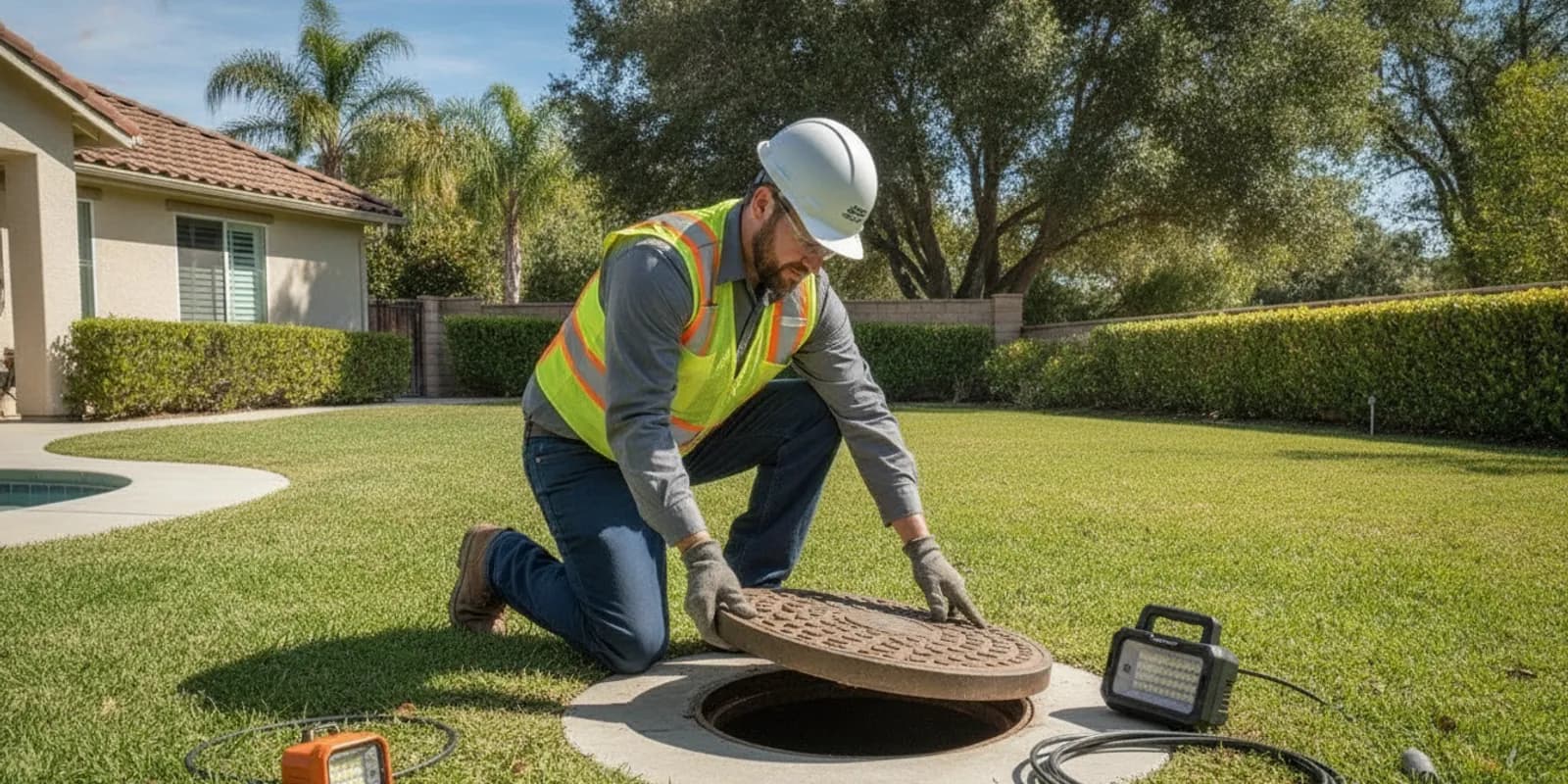
A damaged sewer line can create recurring backups, slow drains, unpleasant odors, or concern about what is happening beneath a driveway or landscaped yard. Trenchless pipe lining may offer a way to repair certain underground pipe problems with less surface disruption than conventional excavation. For homeowners and property managers in Westlake Village, the right first step is not choosing a repair method from a description alone. It is getting the line inspected, understanding the damage, and comparing an appropriate repair plan.
Request a trenchless pipe lining evaluation
What is trenchless pipe lining in Westlake Village?
Trenchless pipe lining is a method for rehabilitating an existing underground pipe from limited access points. A contractor prepares the pipe, places a resin-coated liner inside it, and cures the liner so it forms a new pipe within the old one. The finished liner can seal cracks, reinforce weakened sections, and create a smoother interior passage when the existing pipe and site conditions are suitable.
The method is commonly associated with cured-in-place pipe, or CIPP, lining. A comparative review in Frontiers in Water discusses trenchless cured-in-place pipe lining approaches, while technical research on encased polymer liners examines long-term behavior in sewer applications. These sources help explain why liner performance depends on material behavior, installation, and the condition of the host pipe. A local evaluation still matters because no general article can determine whether a specific Westlake Village line is a candidate.
It is helpful to separate the method from the promise sometimes attached to it. Trenchless does not mean that every project has zero excavation, and lining does not mean that every damaged pipe can be restored in place. Access openings, preparation, connection work, or a targeted repair may still be needed. A responsible recommendation describes both what the method can address and where its limits begin.
When might trenchless pipe lining be considered?
Trenchless pipe lining may be considered when an inspection shows a structurally compromised pipe that can be rehabilitated in place. It can be useful when access is limited, a long section needs attention, or restoring a driveway, hardscape, mature landscaping, walkway, or other surface would be a significant concern. It is a repair approach to discuss, not an automatic replacement for every sewer problem.
Common conditions that may lead a property owner to ask about it include:
- Cracks, fractures, or separated joints in an underground sewer pipe.
- Recurring blockages that return after routine clearing.
- Root intrusion or infiltration identified during a camera inspection.
- Corrosion, wear, or other deterioration along a repairable section.
- A sewer route beneath a driveway, patio, walkway, street, or established landscaping.
- A need to compare a lower-disruption approach with a conventional dig-up before approving work.
These symptoms do not prove that lining is appropriate. A collapsed section, severe deformation, insufficient diameter, difficult access, or a connection that must be rebuilt may require another solution. In some situations, pipe bursting, a targeted excavation, a spot repair, or full replacement may be more suitable. The useful question is not simply, “Can a liner be installed?” It is, “Will this repair address the observed defect and leave the line functional for the property’s needs?”
How does an evaluation determine whether trenchless pipe lining fits?
A sewer camera inspection is usually an important part of the conversation. The camera can show the location and character of a defect, the approximate length of the affected section, connections, standing water, roots, offsets, and signs of collapse. Cleaning may be needed before the camera view is reliable. Ask for the findings to be explained clearly, including where the line runs and what the camera could and could not see.
Conejo Bros Plumbing takes a diagnostic-first approach to drain and sewer work. You can review its sewer inspection and repair services and its drain camera inspection information before the conversation. Those pages can help you use the right terms, but they do not replace a site-specific inspection.
A useful evaluation can follow this sequence:
- Describe the symptoms. Note which fixtures are affected, how often backups occur, whether the problem follows heavy water use, and whether a prior clearing provided only temporary relief.
- Locate the line and access points. Existing cleanouts, property boundaries, driveways, landscaping, and public areas can all affect the practical work plan.
- Inspect and document the interior. The camera view should identify the defect, its approximate limits, and any features that could interrupt a continuous liner.
- Check whether preparation is possible. Roots, scale, debris, standing water, or a collapsed segment may need to be addressed before lining can be considered.
- Compare repair paths. Ask why lining is recommended instead of pipe bursting, a spot repair, or excavation, and what condition would make the recommendation change.
Useful questions include: Where is the defect? How far does it extend? Is the pipe open and stable enough to receive a liner? Are there branch connections, bends, or access limitations? Does the repair require permits, public-works coordination, or traffic control? What verification is included after the work? The answers should relate to the observed pipe, not to a generic description of trenchless services.
What happens during a trenchless pipe lining project?
The exact sequence varies with the pipe, access points, and project requirements, but a typical process includes several deliberate stages. Understanding these stages helps a homeowner or property manager compare proposals without focusing only on the final repair label.
1. Locate and inspect the line
The team identifies the sewer route and inspects the interior. If the line is blocked, cleaning may be required before the camera can show the full area. The inspection creates a baseline for discussing the defect, the repair limits, and the practical access needed at the property.
2. Prepare the pipe
Debris, roots, scale, or buildup may interfere with installation. Appropriate cleaning and preparation help the liner contact the host pipe. The team also considers service connections and access points before installation begins. If preparation reveals a collapse or a major offset, the proposed method may need to change.
3. Measure and select the liner
The liner must match the length and diameter of the repair area and the expected service conditions. Installation planning can involve the pipe’s shape, bends, connection locations, and the access available at the property. A proposal should identify the section being addressed rather than implying that every foot of pipe is automatically included.
4. Install and cure the liner
The liner is positioned inside the existing pipe and cured according to the selected system. Curing creates a hardened lining within the host pipe. The work requires careful handling and adherence to the installation requirements for the product and site. Ask how water use will be handled during the work and whether occupants, tenants, or neighboring properties need advance notice.
5. Reopen connections and verify the result
Connections that were covered during installation may need to be reopened. A follow-up camera view can help confirm the finished passage and document the condition after the repair. Ask what verification is included, whether the video will be provided, and how any limitations are recorded.
6. Explain use and follow-up
Before the project is closed, the property owner should understand when normal use can resume, what surfaces or access points were affected, and whether any future inspection or maintenance is recommended. For a commercial property, request a concise record that can be shared with an owner, tenant, facility manager, or future buyer.
How does trenchless pipe lining compare with other repair options?
There is no single best sewer repair method for every Westlake Village property. The right comparison considers the pipe’s condition, access, surface restoration, connection layout, permits, and the expected service needs of the line. The table below is a starting point for a discussion with a qualified service team.
| Option | What it involves | Surface disruption | When it may be considered |
|---|---|---|---|
| Trenchless pipe lining | A resin liner is installed and cured inside the existing pipe. | Often limited to access areas, subject to site conditions. | A repairable pipe has cracks, root intrusion, joint problems, or deterioration without severe collapse. |
| Pipe bursting | The old pipe is fractured or displaced while a new pipe is pulled into place. | Usually requires access pits, with the extent depending on the installation. | The existing route can support a new pipe and the old pipe cannot be rehabilitated in place. |
| Spot repair | A targeted section is exposed and repaired or replaced. | Focused excavation at the damaged location. | A short, clearly located defect can be reached without replacing a longer run. |
| Conventional replacement | The affected pipe is exposed and replaced through excavation. | More extensive excavation and surface restoration may be needed. | The line is collapsed, badly displaced, inaccessible, or otherwise unsuitable for trenchless work. |
For example, a line with a localized crack beneath an open side yard may be a reasonable candidate for a targeted repair, even if lining is technically possible. A longer section with repeated root intrusion beneath a finished driveway may justify a closer comparison of lining and replacement. A collapsed or severely displaced line may need excavation or another installation method. The camera findings, not the surface alone, should drive that distinction.
For a broader look at rehabilitation work, review Conejo Bros Plumbing’s trenchless sewer repair service page. Its sewer relining information can also help you understand terminology before asking for a site-specific recommendation. These resources are useful for preparation, but the inspection remains the basis for a responsible scope.
What site factors matter in Westlake Village?
Surface preservation is one reason people ask about trenchless methods, but it is only one part of the decision. A sewer line may cross private landscaping, a driveway, a sidewalk, a street, or an area with other utilities. The access needed for equipment and the location of cleanouts can affect what is practical.
Property slopes and drainage patterns also deserve attention. A repair plan should account for where wastewater is meant to travel, whether a connection changes direction, and whether a recurring symptom may involve more than one section of pipe. If the inspection begins at a cleanout but cannot reach the entire route, ask which portions remain unverified.
Work that reaches a public right of way or connects with city infrastructure may involve additional coordination. Conejo Bros Plumbing’s public-works specialist resource covers DWP and city public works, street-lateral replacement, traffic control, City planning and permits, septic-to-city-sewer rerouting, and pre-construction plumbing bids. Ask early whether any of those topics apply. A private sewer repair and a street-lateral project may have different responsibilities and approvals.
Property managers and businesses should consider access windows, tenant communication, restroom availability, business operations, and documentation. Homeowners should identify known cleanouts, prior repairs, recurring backup locations, and changes in drainage behavior. Clear information can make the evaluation more efficient and reduce surprises when the scope is prepared.
How can you prepare for a trenchless pipe lining evaluation?
Before the visit, gather records of previous sewer work, inspection videos, permits, or recurring service calls. Note when the problem occurs and whether it affects one fixture or the whole property. If a backup has happened more than once, write down how often it returns, what temporary measures were used, and whether the problem appeared after rain or a change in household use.
Walk the property if it is safe to do so. Look for cleanout covers, areas of unusual ground moisture, recent settling, damaged hardscape, or locations where roots may be significant. Do not remove secure covers or enter a confined space. Give the service team information about gates, pets, tenants, parked vehicles, and restricted areas so the access discussion is realistic.
Do not attempt to force a cable, chemical product, or other tool through a suspected structural failure. If wastewater is backing up, limit water use until the cause is understood and protect exposed areas from contact. For an urgent situation, use the company’s plumbing and emergency repair information to identify the appropriate contact path.
When comparing recommendations, request a clear explanation of:
- The inspected defect and its exact or estimated location.
- The repair limits, access requirements, and exclusions.
- How service connections, cleanouts, and transitions will be handled.
- Whether permits, public-works review, traffic control, or utility coordination may apply.
- What verification will be performed after the repair.
- What other option would be considered if lining is not suitable.
- What information will be documented for future maintenance or property records.
How should property owners compare trenchless pipe lining recommendations?
Two proposals can use similar words while covering different work. Compare the starting point, not only the final method. One proposal may address a short defect found by a camera; another may include preparation and a longer segment. Ask whether the camera inspection, cleaning, connection reopening, curing, verification, and surface restoration are included or treated as separate steps.
It is also useful to compare the assumptions behind each recommendation. Does the plan assume that the line is open? Does it depend on a particular cleanout? Does it require access from both ends? Does it address a private lateral, a street lateral, or the connection between them? A clear scope should identify what happens if the inspection reveals an unexpected collapse, offset, or inaccessible section.
For a homeowner, the most important comparison may be disruption and confidence in the diagnosis. For a property manager, scheduling, documentation, tenant impact, and coordination may carry equal weight. For a real estate customer, a dated camera record and a description of the inspected limits can help distinguish an observed defect from an assumption. None of these priorities removes the need to match the method to the pipe.
When should you request trenchless pipe lining help?
Consider requesting an evaluation when a sewer camera shows a recurring or structural problem, when a conventional excavation would affect important surfaces, or when you want a second opinion before approving a major dig-up. Trenchless pipe lining is most useful as part of a diagnosis-led plan. It should not be presented as a promise that every sewer line can be repaired without excavation.
Conejo Bros Plumbing serves Westlake Village and nearby Conejo Valley communities with sewer, drain, trenchless, septic, and plumbing services. You can review the company’s service areas, its high-pressure drain jetting information, or the plumbing blog and resource library before contacting the team. If the inspection shows a different cause, those resources can help you move toward the appropriate service conversation rather than forcing a lining solution.
Frequently asked questions
Does trenchless pipe lining require any excavation?
It may require limited access openings, but the amount of excavation depends on the pipe route, access points, connections, and site conditions. An evaluation should explain where access is needed and what surfaces may be affected. “Trenchless” describes the repair approach; it does not guarantee that no soil will be disturbed.
Can lining repair a completely collapsed sewer pipe?
Severe collapse can prevent a liner from being installed or cured correctly. The camera inspection and site review should determine whether lining, pipe bursting, a spot repair, or conventional replacement is more appropriate. If the camera cannot pass the full section, ask what remains unverified before approving a continuous repair.
How long does trenchless pipe lining take?
The timeline depends on the length and condition of the pipe, preparation, access, curing requirements, permits, and connection work. Ask for a project-specific sequence rather than relying on a general estimate. Occupants and tenants should also be told when water use may be restricted.
Is trenchless pipe lining the same as pipe bursting?
No. Lining rehabilitates the existing pipe from inside, while pipe bursting breaks or displaces the old pipe as a new pipe is installed along the route. Both are trenchless approaches, but they address different conditions and have different access requirements.
What should I bring to the inspection conversation?
Share prior inspection videos, service records, backup locations, access information, and concerns about landscaping, driveways, tenants, or public areas. These details help the team explain practical options and identify questions that need to be answered before work begins.
Book your Westlake Village sewer evaluation
A clear camera inspection and an honest comparison of repair methods can help you choose the next sewer step with greater confidence.