
Drain Descaling vs Hydro Jetting for Older Sewer Lines
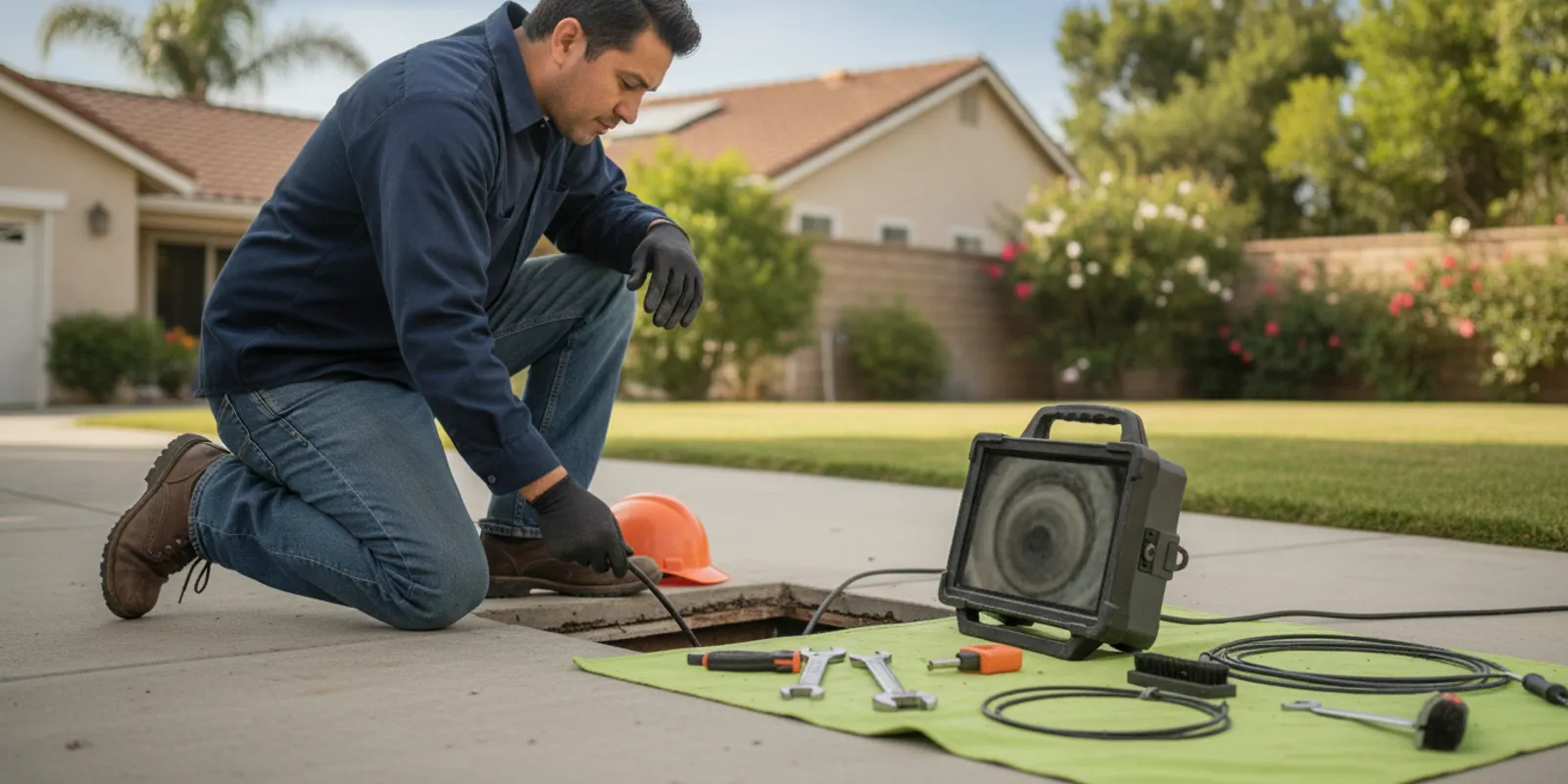
When an older sewer line drains slowly or clogs again soon after clearing, it is fair to ask whether the pipe needs descaling or hydro jetting. Drain descaling vs hydro jetting is not a simple choice between two interchangeable cleaning methods: each addresses a different condition, and the pipe’s shape and material matter. A camera inspection can help identify what is inside the line before anyone recommends a method.
Request an inspection discussion today
What does drain descaling vs hydro jetting mean?
Pipe descaling and hydro jetting are both methods used to clean a drain or sewer line, but they work differently. Descaling uses specialized mechanical equipment to remove hardened material attached to the pipe wall. Hydro jetting uses pressurized water to scour the inside of a pipe and move debris through the line. A qualified technician should consider the pipe condition, the type of obstruction, and the goal of the work before selecting either approach.
“Scale” often describes mineral deposits or accumulated material that has hardened on a pipe’s interior. Older pipes can also have corrosion, uneven joints, roots, cracks, or sections that have shifted. Those are not all the same problem. A cleaning method may clear material from the interior, but it does not restore a damaged pipe or correct a structural defect.
Hydro jetting can be useful when a line has grease, sludge, or other debris that water pressure can move or wash away. Descaling may be considered when hard deposits have narrowed the pipe opening and ordinary clearing has not adequately removed them. Sometimes the line may need a different repair rather than more cleaning. The right recommendation depends on what inspection reveals.
How do the methods differ inside an older sewer line?
Think of a pipe as a passage with a particular size, material, and condition. A blockage may be loose debris in an otherwise sound passage. Scale, by contrast, can adhere to the inner wall and reduce the open area over time. A crack or offset joint changes the passage itself. The same symptom—slow drainage—can come from any of these conditions, which is why the method should follow diagnosis.
| Question | Pipe descaling | Hydro jetting |
|---|---|---|
| What is it intended to address? | Hard buildup attached to the pipe interior that may narrow the opening. | Debris and buildup that can be scoured or moved with pressurized water. |
| How does it work? | Specialized mechanical equipment works against deposits on the pipe wall. | A jetting hose delivers pressurized water through the line. |
| What should be checked first? | Pipe material, condition, location and extent of buildup. | Pipe condition and whether the debris is suitable for water jetting. |
| What does it not fix? | Cracks, collapsed sections, failed joints or other structural damage. | Structural damage, a collapsed pipe or an underlying alignment problem. |
| What helps confirm the next step? | A camera view before and, when appropriate, after cleaning. | A camera view to assess the line and verify the cleaning result. |
Neither method should be treated as a universal cure. Equipment and technique should match the specific line. If the pipe is fragile, severely corroded, or already damaged, an aggressive cleaning approach may not be appropriate. The service provider should explain what the inspection shows and why the proposed work fits those findings.
Why should a sewer camera inspection guide the recommendation?
A camera inspection gives the technician a view of the pipe interior. It can help locate a restriction and distinguish buildup from conditions such as roots, a separated joint, or a damaged section. It also offers useful context: where the issue is, how much of the line is affected, and whether the pipe appears suitable for cleaning.
Without that context, it is easy to mistake a recurring symptom for a complete diagnosis. A drain may flow again after a basic clearing, yet the line can still have substantial scale, a rough or damaged surface, or an obstruction farther along the run. A camera does not make every condition obvious or guarantee a particular outcome, but its findings can make the conversation more specific.
Ask whether the inspection can document the location and condition of the obstruction, and whether the technician can show you the relevant footage. Ask what the image does and does not establish. For example, a camera may show a buildup or a visible defect, but a short video alone might not answer every question about the pipe’s full structure or future performance.
For information about this diagnostic step, see drain camera inspection services and the company’s sewer inspection and repair information. These pages can help you understand how inspection relates to decisions about sewer work.
When might pipe descaling in Ventura County be considered?
Pipe descaling in Ventura County may be worth discussing when a camera shows material attached to the pipe wall and the usable opening is narrowed. It can be a consideration in older sewer lines where deposits have built up gradually, especially when routine clearing has not addressed the underlying restriction. The relevant question is not simply how old the pipe is, but what condition it is in now.
Descaling may not be the right next step if the camera shows a break, collapse, significant offset, or other structural concern. In that case, removing deposits may not solve the cause of the backup. Likewise, the same cleaning treatment should not be assumed suitable for every pipe material or level of deterioration. Have the technician explain any risks and what evidence supports the recommendation.
Some jobs may call for more than one step. The technician may first need to open a passage, then use the camera to understand the remaining condition. If deposits are removed, a follow-up view may help show what changed and whether another concern remains. The exact sequence depends on the obstruction and the pipe’s integrity; there is no single process that fits every sewer line.
Learn more about drain descaling and drain services as you prepare questions about a particular line. A service page is a starting point, not a substitute for findings from your own property.
When might hydro jetting be the better fit?
Hydro jetting may be appropriate when the line and the type of debris make a high-pressure water cleaning a suitable option. It is commonly discussed for stubborn buildup and debris that can be washed from the pipe. The technician should first consider pipe condition and explain why the method is appropriate for that specific line.
Jetting is not a repair for a cracked or collapsed pipe. It also should not be chosen simply because a clog has returned. If the sewer has a damaged joint or another structural issue, cleaning might temporarily improve flow without resolving the reason for repeated trouble. Camera findings can help determine whether the question is cleaning, repair, or both.
To understand the service and what questions to ask, review hydro jetting services. A customer should be able to ask what the technician observed, what material the method is expected to remove, and how the result will be checked.
What might the inspection findings look like in practice?
Consider a home where one bathroom sink drains slowly, but the other fixtures work as usual. That pattern may point toward a local fixture or branch issue rather than a main sewer restriction. A technician can assess the drain and determine whether a broader sewer inspection is warranted. Choosing a major sewer cleaning method before locating the restriction could miss the actual source of the symptom.
Now consider a different pattern: several fixtures slow down together, the problem has returned after prior clearing, and a camera shows a narrowed area with hardened deposits but no obvious break in the viewed section. In that situation, the technician may explain why descaling is worth considering, then check the line again to assess the result. If the camera instead shows a separated joint or collapsed area, cleaning alone is unlikely to resolve that structural concern. The same symptom can lead to different recommendations because the observed conditions differ.
These examples are illustrations, not a way to diagnose a pipe from symptoms alone. Sewer layouts vary, and a camera can only show the sections that the equipment can reach and view. Ask whether the inspection covered the relevant run and whether any limitation—standing water, a blockage, or an inaccessible section—affected what could be seen. A careful explanation should distinguish what the technician observed from what remains uncertain.
How can a homeowner prepare for the inspection?
A few details can make a service conversation more useful. Write down when the symptoms started, which fixtures are involved, and whether the problem happens after a particular use. Note prior drain clearing, repairs, or camera inspections if you know when they happened and what was found. If you have photos, reports, or a video from earlier work, keep them available. That history can help the technician understand whether this is a new blockage or a pattern.
Before the visit, make sure the technician knows about any known cleanout location, access restrictions, or areas where a sewer line may run. Do not open a buried or unfamiliar access point yourself. If you manage a multi-unit property, ask residents to report which fixtures are affected and whether the issue is limited to one unit or appears across several. A shared pattern can help focus the inspection.
Keep the description factual. “The downstairs bathroom and laundry drain slowly, and it began again two days after clearing” is more useful than guessing that the pipe is scaled. The technician can use those observations, then compare them with camera findings. If you smell sewage or see wastewater backing up, explain that promptly and avoid contact with it while arranging appropriate help.
What can recurring clogs tell you about a sewer line?
A clog that returns may be a sign that the initial clearing addressed a symptom but not the condition causing it. Possible explanations include remaining scale or debris, roots entering a joint, a damaged or misaligned section, or a restriction in another part of the line. The pattern of the problem matters: note which fixtures are affected, whether several drains slow together, and how quickly the trouble returns.
If multiple fixtures back up or drain slowly at the same time, the concern may involve a shared branch or the main sewer rather than a single fixture. If one sink is affected while nearby fixtures work normally, the restriction may be closer to that fixture. These clues can help describe the issue, but they are not a diagnosis. Avoid repeatedly using chemicals or forcing tools into an unfamiliar line; that can create additional hazards or obscure what is happening.
Ask for the camera findings and a clear explanation of whether the issue appears localized or extends farther through the sewer. If there is structural damage, ask what repair choices are relevant and whether a second opinion would help you compare a traditional excavation with a trenchless option. Conejo Bros Plumbing provides trenchless sewer repair information for property owners considering repair approaches; suitability depends on the actual pipe and site.
For a general background on wastewater and water topics, the U.S. Environmental Protection Agency provides information at EPA.gov. For your property’s sewer, rely on the inspection and advice that address the specific line rather than applying general information as a diagnosis.
How can you compare the recommendation and the next steps?
Before authorizing work, ask for the issue to be described in plain language. A useful explanation connects the visible condition to the proposed method: what is obstructing the pipe, where it is, why that method fits, and what it will not address. If the recommendation is based on a camera inspection, ask to review the relevant footage or documentation.
- Confirm the location. Ask which section of the sewer is affected and how the technician determined that.
- Understand the material. Ask whether the issue appears to be scale, movable debris, roots, or a structural defect.
- Discuss pipe condition. Ask whether the pipe seems sound enough for the proposed cleaning method and what limitations apply.
- Clarify the expected result. Ask how success will be checked and whether another camera view is planned.
- Separate cleaning from repair. Ask whether the work is intended to restore flow, remove deposits, or resolve a structural problem.
- Get the scope in writing. Review what the service includes and what additional work might be recommended if the inspection reveals another issue.
For service scope and current information, you can review plumbing and drain service information and contact the team with questions. Avoid assuming that a listed service applies to every pipe or that a cleaning method will correct structural damage.
What should public works and construction teams coordinate?
Some sewer concerns involve public infrastructure or construction planning, not only a private building drain. Public-works specialists may need to coordinate with DWP and city public works departments, street-lateral replacement, traffic control, City planning and permits, septic-to-city-sewer rerouting, or pre-construction plumbing bids. The responsible agency, property owner, and contractor should clarify where the work begins and ends, who authorizes it, and what approvals are needed before work starts.
For project-specific coordination, see public works specialist services. A homeowner or project manager should confirm the applicable local requirements and permit responsibilities with the relevant City or agency rather than assuming a private sewer repair includes public-side approvals.
Frequently asked questions about drain descaling vs hydro jetting
Can hydro jetting remove scale from a sewer pipe?
Hydro jetting can remove some buildup when the material, pipe, and conditions make it appropriate. Hard deposits attached to a pipe wall may require a different method, such as descaling. Inspection helps determine what material is present and which approach is suitable.
Does descaling repair an old sewer pipe?
No. Descaling is a cleaning method for deposits inside a pipe. It does not repair cracks, collapsed areas, failed joints, or alignment problems. If an inspection shows structural damage, ask about repair options rather than treating cleaning as a repair.
Should a camera inspection happen before cleaning?
A camera inspection can help identify the location and condition of a restriction and guide the method. Whether inspection is possible before any initial clearing depends on whether equipment can pass through the line. Ask what can be assessed at each stage and how the result will be documented.
Why does my sewer clog again after it was cleared?
The first clearing may have opened a path without removing all of the buildup, or a separate cause such as roots or pipe damage may remain. A recurring problem deserves a closer look at the line rather than assuming the same cleaning should simply be repeated.
How do I discuss a sewer concern with Conejo Bros Plumbing?
Describe which fixtures are affected, when the problem began, and whether earlier clearing helped. You can use the contact page to share the concern and ask about an inspection or next steps.
Request a sewer inspection discussion today
The best next step for an older sewer line starts with understanding what is inside it. With the condition documented, you can compare cleaning and repair recommendations based on the actual problem rather than the symptom alone.