
Septic Tank Pumping Schedule for Ventura County Homes
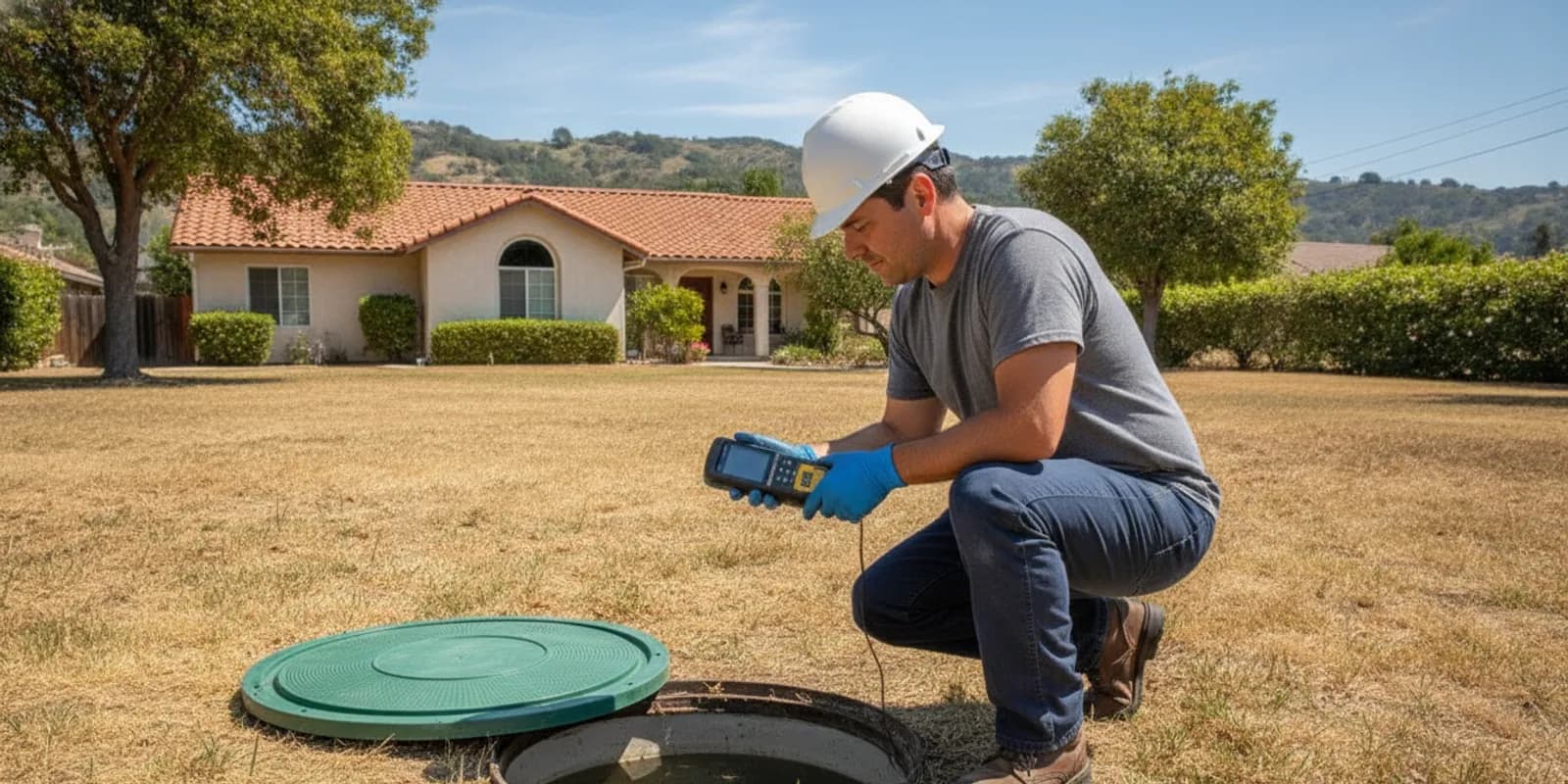
A practical septic tank pumping schedule Ventura County homeowners can follow starts with the home’s actual use and system records—not a calendar rule applied to every property. Household size, tank capacity, water use, and what enters the drains all affect how quickly solids collect. If you are also wondering how often pump septic tank Thousand Oaks households should plan for, use a general interval only as a starting point and adjust it with qualified system guidance.
Request septic service guidance today
What does a septic tank pumping schedule Ventura County homes need depend on?
A septic tank separates wastewater into layers. Heavier solids settle to the bottom as sludge, while grease and lighter material collect near the top as scum. The liquid between those layers flows toward the next part of the system, often a leach field or another approved dispersal area. Pumping removes accumulated solids before they take up too much room or move downstream.
There is no single interval that fits every home. A frequently used planning range for a household tank is about three to five years, but it is not a guarantee or a substitute for checking the system. A small tank serving several people may need attention sooner than a larger tank with lighter use. An established record of inspections and pumping gives a more useful basis for timing.
For Ventura County properties, the owner should also keep local system requirements and site conditions in view. The County’s septic systems and wastewater disposal information is a place to review local guidance about onsite wastewater treatment systems and related requirements. A schedule discussion should not replace county direction where a permit, repair, or system change is involved.
How often pump septic tank Thousand Oaks homes?
For a Thousand Oaks home, begin by finding the tank’s size, the date and findings of the last inspection, and the pumping history. If those records are missing, do not assume the tank is empty or overdue based only on the age of the house. Ask a qualified septic professional to locate and assess the system, then use the findings to make a household-specific plan.
As a broad starting point, many homeowners plan to have a conventional household tank checked on a recurring basis and pumped around every three to five years. The actual interval may be shorter or longer. A professional can assess the solids level and system condition, then help determine whether pumping is needed now or whether a later check is appropriate. The same approach applies elsewhere in Ventura County, including homes in Camarillo, Oxnard, and Santa Paula.
If the property is new to you, include the septic system in your first-year home maintenance planning. Ask the prior owner for service receipts, inspection notes, permits, and a site plan if available. If the records do not establish when the tank was last serviced, schedule an evaluation rather than guessing. Homeowners in the area can also review septic and drain service information for Thousand Oaks and the broader Conejo Bros service area.
Which factors can shorten or lengthen the interval?
Use the factors below to understand why a neighbor’s schedule may not suit your home. They are useful conversation points for a service visit, but they cannot replace a tank assessment.
- Number of people using the home: More residents usually means more wastewater and solids entering the tank. Household size can change over time, so revisit the plan after a move-in, a growing family, or a long-term change in occupancy.
- Tank capacity: A smaller tank has less space to hold solids than a larger tank serving the same household. If you do not know the capacity, look for installation or permit records, or ask a professional to help identify it.
- Water use: Long showers, frequent laundry loads, leaking toilets, and other high water use can increase the flow through the system. Excess water can also move material through the tank more quickly, before it has settled as intended.
- Garbage disposal use: Food particles add solids to the tank. Frequent disposal use can increase the amount of material that needs to be managed, so mention it when discussing service timing.
- What goes down drains: Wipes, hygiene products, cooking grease, and other non-flushable or hard-to-break-down material can interfere with normal operation. Even products labeled flushable may be a poor fit for a septic system.
- System design and condition: Tank configuration, age, past repairs, and the type and condition of the dispersal area all matter. A system with a history of problems needs a more careful plan than a system with complete records and no warning signs.
- Seasonal or occasional occupancy: A vacation or second home may have fewer people using it for part of the year, but long gaps between visits do not prove that the tank or field is sound. Consider both periods of use and any signs that appear when the home is occupied.
Keep a simple household log. Record the number of regular occupants, major changes in water use, service dates, inspection findings, and any symptoms. That information helps a professional distinguish a tank that needs routine pumping from a system that needs diagnosis or repair.
How can you update a septic tank pumping schedule Ventura County homes can follow?
Revisit your plan when the way you use the home changes. A larger household, a new laundry routine, or a leaking fixture can increase the wastewater load. A long vacancy may reduce normal use, but it does not tell you whether an older tank needs assessment. When occupancy changes, keep track of how many people are home and how often the plumbing is used, then share that context at the next service visit.
Weather can also affect what you notice outdoors. After heavy rain, compare the ground around the tank and dispersal area with nearby parts of the yard, but do not assume a damp patch is a septic failure without an assessment. Surface drainage, soil conditions, and septic components can produce overlapping clues. Note where and when the wet area appears, whether odors are present, and whether indoor fixtures are also slow. Clear observations help distinguish a schedule question from a symptom that needs prompt diagnosis.
Do not postpone a professional evaluation just to reach a planned calendar date if warning signs appear. Conversely, do not assume a tank needs pumping solely because a certain number of years has passed. Use the service history and observed system condition to decide on the next step.
What does a reliable pumping plan look like?
A schedule is most useful when it is written down and reviewed after service. Use these steps to build one without relying on a one-size-fits-all date.
- Gather the records. Look for the tank location, size, installation or repair paperwork, past pumping receipts, and inspection notes. Ask a prior owner or property manager for copies if you recently took responsibility for the home.
- Describe the household. Note how many people live there, how often the home is occupied, whether a disposal is used, and any recent changes in water use. Include recurring plumbing issues or unusual wet areas outdoors.
- Arrange an assessment if history is unknown. Do not wait for a backup to establish a baseline. A service professional can evaluate accessible components and discuss whether the tank needs pumping or further attention.
- Ask what was found. Request clear notes about the condition observed, work completed, and any recommended follow-up. Ask what signs should prompt an earlier call and when the next review should be considered.
- Set a reminder, then revise it. Put the recommended check or service window on a calendar. Update the plan if household size, water use, system condition, or local requirements change.
Conejo Bros Plumbing provides septic system services and septic tank pumping information. Bring your records and questions to the conversation. A pumping visit is also a useful time to ask what the observations mean for the next check, rather than assuming that the same interval will always apply.
What should you record after each septic service visit?
Good records make the next schedule decision easier. Keep digital copies and, if useful, a paper copy with the home’s maintenance documents. Record the visit date, the service performed, the tank location, and any notes about access or visible condition. If the professional gives a suggested time for the next check, write down whether that recommendation is a firm follow-up need or a planning estimate based on current use.
Ask for a clear explanation of any concern found and what should happen next. If the recommendation involves further testing, repair, or a permit, note who needs to make the decision and whether the county should be consulted. Keep photos or a simple sketch showing where the tank and access points are, but do not rely on a rough sketch instead of a site plan when a project requires one. Share the records with a new owner, property manager, or service professional when responsibility changes.
Track symptoms separately from routine service dates. Note the date, affected fixtures, whether more than one drain was involved, indoor water use at the time, and any outdoor wet areas or odors. This timeline can help distinguish a recurring system issue from a one-time plumbing problem. If a symptom happens again, call promptly rather than waiting for the next maintenance reminder.
What are signs a septic tank may be overdue?
Some warning signs can indicate a full tank, but they can also point to a blocked pipe, a damaged component, or a problem in the dispersal area. Treat a symptom as a reason to investigate—not proof that pumping alone will fix it.
- Several household drains become slow or back up around the same time.
- Toilets gurgle, or water drains slowly from sinks, tubs, or showers.
- Wastewater backs up into a fixture or an area of the home.
- There is an unusually wet, soft, or persistently foul-smelling area near the tank or leach field.
- Grass over part of the system looks unusually lush compared with the surrounding yard, especially when paired with wet ground or odors.
- You cannot find a service record and do not know when the tank was last checked or pumped.
A single slow sink may have a local drain obstruction unrelated to the septic tank. But multiple fixtures acting up together, outdoor changes near the system, or any wastewater backing up deserve prompt attention. Reduce water use while you arrange help. Avoid opening a tank or entering any septic component; gases and confined spaces can be dangerous. If wastewater is inside the home, keep people and pets away from affected areas and explain the situation when you request service.
Why does routine pumping help protect a leach field?
The tank’s job is to retain much of the solid material while wastewater moves onward. When sludge and scum build up too far, solids may be carried out with the liquid and reach downstream components. Material that reaches the leach field can contribute to clogging and reduce the field’s ability to accept and disperse wastewater. Pumping at an appropriate time removes accumulated solids and helps limit that risk.
Pumping is maintenance, not a repair guarantee. It cannot correct a broken pipe, a failed pump, a damaged tank, poor drainage, or a field that is already impaired. If a professional finds damage or recurring symptoms, ask what needs additional evaluation and what options fit the findings. For background on field concerns, see the company’s leach field repair information.
Protect the system between visits by spreading laundry loads through the week, fixing plumbing leaks, and avoiding unnecessary high-volume water use. Keep grease, wipes, and non-flushable items out of drains. Do not drive or park heavy vehicles over the tank or field, and avoid placing structures or deep-rooted plantings over system components. These habits reduce avoidable strain, though they do not eliminate the need for assessment and pumping.
How do pumping, inspection, and repair differ?
These services are related, but they answer different questions. The right next step depends on the symptoms, system history, and what an assessment finds.
| Service | Main purpose | When it may be considered |
|---|---|---|
| Routine inspection or assessment | Review accessible components and system condition; establish or update maintenance guidance. | Records are missing, a home has changed hands, the next service date is unclear, or symptoms need evaluation. |
| Tank pumping | Remove accumulated contents from the tank. | Recommended based on system condition, solids accumulation, maintenance history, or a professional’s assessment. |
| Diagnostic or repair evaluation | Investigate a suspected blockage, leak, damaged component, or dispersal-area problem. | Backups, recurring slow drains, wet ground, odors, or an inspection finding point to a problem beyond routine maintenance. |
Do not treat the table as a diagnosis. For example, a backup may originate in a building drain rather than in the tank. A clear description of when symptoms began and which fixtures are affected helps direct the next evaluation. Conejo Bros also offers sewer inspection and repair services; the correct service depends on the property’s system and findings.
What local permitting and public-works issues should owners know?
Routine household pumping is not the same as changing or replacing an onsite wastewater system. For a proposed installation, repair, or system alteration, confirm applicable Ventura County requirements and permits before work begins. The County’s environmental health information on septic systems and wastewater disposal can help property owners find the relevant local guidance. Requirements depend on the project and property; do not assume that a neighbor’s approval or system design applies to yours.
For projects that involve public infrastructure, the company’s public-works work can include coordination around DWP and city public works, street-lateral replacement, traffic control, City planning and permits, septic-to-city-sewer rerouting, and pre-construction plumbing bids. These are project-specific services, not a routine pumping checklist. Owners planning a connection, construction project, or street-side sewer change should clarify agency requirements and the scope before work is scheduled. Learn more about public-works plumbing services.
Request help reviewing your septic service needs
Frequently asked questions
Can I use a fixed number of years for every septic tank?
No. A general interval can help you start planning, but the right timing depends on tank size, household use, records, and system condition. Use inspection findings and service history to revise the plan.
Should I pump the tank before selling or buying a home?
There is no universal rule that every sale requires pumping. Buyers and sellers should review available maintenance records and determine what evaluation is appropriate for the transaction and the property. A pumping receipt by itself does not document the condition of every system component.
Will pumping fix slow drains or a sewer backup?
Not necessarily. A slow drain may be caused by a local obstruction, while a backup can involve the building drain, tank, or downstream system. Get the cause assessed instead of assuming that pumping is the only step needed.
What if the tank location or service history is unknown?
Gather any site, permit, and prior-owner records you can find, then arrange a professional assessment. Avoid digging or opening unknown components yourself. Once the system is identified, keep a written record of its location and future service.
Does regular pumping mean the leach field cannot fail?
No. Appropriate pumping helps manage solids in the tank, but it cannot prevent every failure or correct damage, excessive water use, or site drainage issues. Watch for warning signs and follow up on inspection findings.
Contact Conejo Bros Plumbing to discuss your septic system
A written service history and a plan based on your home’s use make it easier to act before a routine maintenance question becomes an urgent backup.