
Plumbing Inspection Checklist Ventura County Real Estate
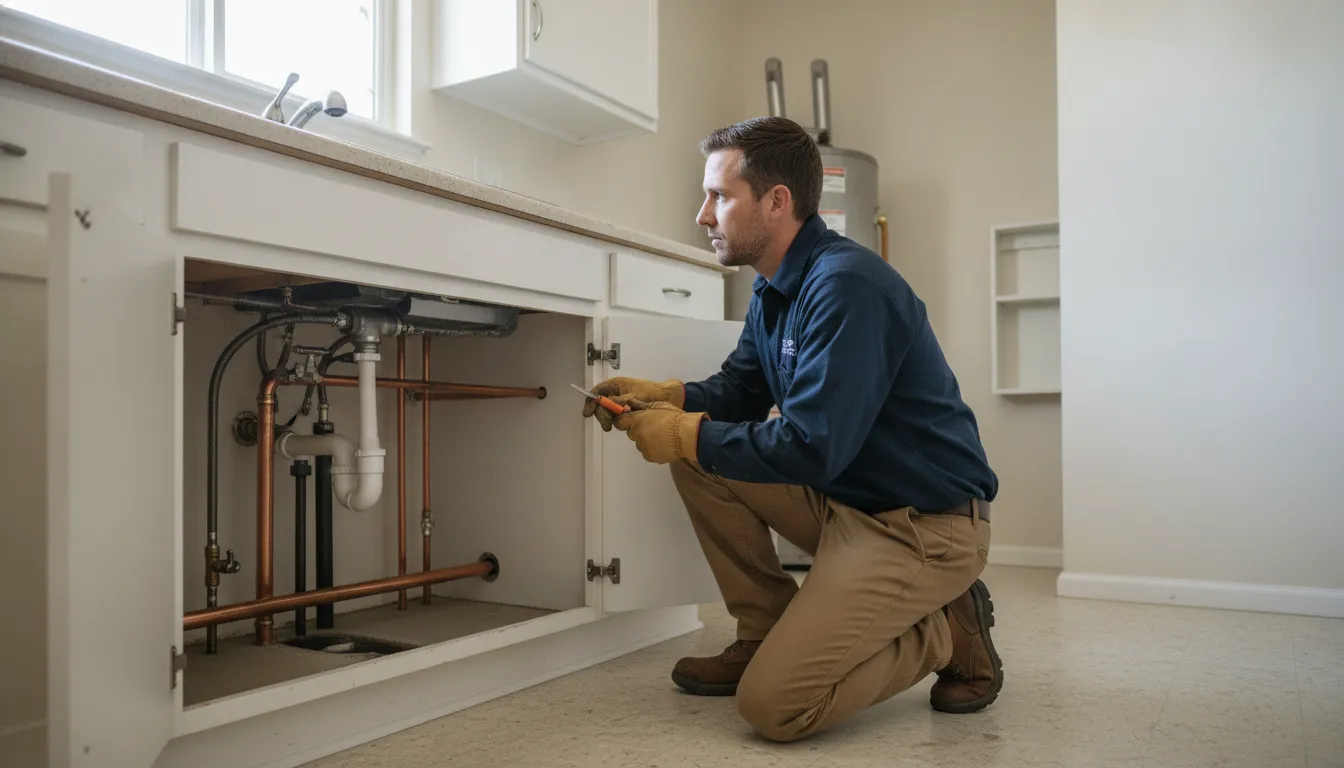
A plumbing inspection checklist Ventura County real estate buyers can use during escrow covers the pipes, fixtures, water heater, and shutoffs a person can actually see. A standard home review looks at those visible parts. It does not open walls, and it does not film a buried sewer line. That is why a sewer inspection before buying a house belongs on the buyer's closing checklist when the property connects to a private lateral. That gap matters in Ventura County, where many homes mix older supply pipe with a private sewer lateral or a septic system. A clean sink on showing day does not prove the system will stay quiet after you move in.
Request help with a sewer or septic inspection today
Use the checklist below while your inspection period is still open. Note what you can see, then decide which extra test the house still needs. If the home is on a public sewer, pair this walkthrough with a real estate sewer inspection in Ventura County. If it is on a septic system, use the septic inspection buyer checklist and the septic tank systems page instead of guessing from the yard.
What a Plumbing Inspection Checklist Ventura County Real Estate Buyer Should Check
Start with the question a buyer can answer on site: does the visible plumbing work, and is anything actively leaking? The American Society of Home Inspectors says a plumbing review should look at the water supply and fixtures. It should also cover the interior drain, waste, and vent system, the water heater, and fuel piping. Any sump pump or sewage ejector that is present belongs on that list too. The inspector should name the visible pipe materials and point out the main water shutoff and the fuel shutoff.
That is a useful floor, not a full diagnosis. An ASHI-style review is visual. It will not camera a buried lateral, pressure-test every joint inside a wall, or certify a septic system. Treat a clean general report as a reason to keep going, not as proof that hidden pipe is sound.
On a Ventura County walkthrough, work in this order so you do not miss the items that change a closing decision:
- Find the main water shutoff and confirm it turns. Ask where the meter is if the home is on public water.
- Run each sink, tub, shower, and toilet. Watch the trap and the supply stops while the water is on.
- Look under every sink and around the water heater, the washer outlet, and the water heater pan.
- Note the pipe material you can see: copper, galvanized steel, plastic, or a mix.
- Check the water heater age, the discharge pipe, and any active drip.
- Ask whether the home uses a public sewer or a septic system, then order that separate inspection before the contingency ends.
Write down what you see in plain language. "Slow hall bath drain" and "damp cabinet under the kitchen sink" are more useful in a repair request than a vague note that the plumbing seemed old.
How a Plumbing Inspection Checklist Ventura County Real Estate Walkthrough Checks Supply Lines
Supply piping is the part of the house that brings water to the fixtures. In older Ventura County homes you may see copper, galvanized steel, or a patchwork of both. Galvanized pipe can look intact and still restrict flow because the inside has narrowed. Copper can look fine and still weep at a fitting. Plastic supply lines are common on newer repairs. None of those materials is a verdict by itself. The question is whether the visible runs are leaking, heavily corroded, or patched in a way that suggests a larger problem behind the wall.
Open the sink cabinets before you run the water. A stained cabinet floor, a soft spot, or a white crust on a fitting is a leak history even if the surface is dry today. Then turn the faucet on and watch the supply stops and the trap. A stop that will not turn, or a trap that drips only while the water runs, belongs on the repair list.
The main shutoff is the item people skip and then regret. You want to know where it is, whether the handle moves, and whether anyone in the house can reach it without a special tool. The same check applies to the gas or other fuel shutoff serving the water heater. If you cannot find either valve, ask the seller before you remove the inspection contingency. Residential plumbing service can confirm a stuck or missing shutoff when the walkthrough leaves that question open.
Also look at the angle stops under toilets and sinks. A valve that is crusted shut is a small part with a large failure mode. It often fails when someone finally tries to use it during a later repair. Replacing a seized stop is a normal plumbing task. Discovering it after closing, during an emergency, is the version you want to avoid.
Pressure is another visible clue. If water hammers when a faucet closes, or if a hose bib sprays harder than the indoor fixtures, say so. You do not need a number. You need a note that a plumber should check the regulator and the visible piping before you treat the system as settled.
Drain, Vent, and Active Leak Checks Before the Contingency Ends
Fixture drains tell you whether the visible waste system is moving water today. Fill each sink, then release it. A drain that gurgles, rises, or takes a long time to empty needs a closer look. Run two fixtures at once if you can. A tub that backs up when the nearby toilet is flushed is a different problem from a single slow lavatory.
Vents are easy to overlook because they are mostly out of sight. ASHI notes that a vent lets air in so drains can flow, and it lets sewer gas leave the house. A bathroom that smells only after it sits unused may have a dry trap. Pouring water into that drain is a fair first test. A smell that returns, or an odor near a wall or in an attic, can mean a damaged vent or drain line. That is a plumbing repair, not a candle problem.
Active leaks are the clearest escrow item on this list. Look for drips at supply lines, wet staining on ceilings under bathrooms, and moisture around the washer outlet. A single dry stain can be old. A stain that is damp, or a fitting that drips while you watch, is current. If you need help sorting a drip from a larger supply failure, the emergency leak guide for Thousand Oaks shows when to shut the water off and call.
A visual drain check still cannot see the buried line between the house and the street or the septic tank. For the company's broader sewer service context, review the sewer services page before choosing the inspection scope. Do not let a clear bathroom sink stand in for that test. When the question is the private sewer lateral, use the sewer camera inspection page and schedule that scope while the contingency is open. A separate smoke test is the right tool only when the issue is odor or a leak path that a camera will not explain. Conejo Bros documents a complete smoke test at $550. Read the sewer smoke test cost guide before you add that service, and confirm the scope when you book.
Water Heater and Leak Checks That Belong on the List
The water heater is one of the few plumbing appliances a buyer can age on the spot. Look for the data plate, the installation date if it is marked, and any active drip at the tank, the fittings, or the temperature-and-pressure discharge line. A pan that is full of water is not a housekeeping note. It is evidence that the tank or a connection has already leaked.
Also check the discharge pipe. It should run to a safe termination, not end in midair over a walkway or dump where someone can be scalded. Rust flakes at the fittings, scorch marks, or a rumbling sound when the heater fires are reasons to ask a plumber whether repair or replacement is the honest next step. For homes that already need a new unit, the water heater replacement guide covers how local owners compare options without treating every old heater as an emergency.
Do not stop at the tank. A supply leak at a nearby valve can look like a heater failure. A ceiling stain under an upstairs bath can be a failed wax ring, a supply line, or a shower valve. Note the location and whether the surface is wet right now. That detail decides whether the item is a credit, a repair request, or a reason to pause.
If several rooms show new patches, mixed pipe materials, and more than one active drip, ask whether the house is a candidate for a larger repipe rather than a list of small fixes. The repipe service page is the right next read when the visible piping, not a single fixture, is the concern. Get that opinion before you waive the inspection contingency, not after the moving truck is booked.
How This Checklist Differs from a Sewer or Septic Inspection
Buyers often hear "plumbing inspection" and picture one visit that covers everything under and around the house. In a Ventura County transaction those are different scopes. This checklist is the in-home review: supply piping, fixture drains, vents, the water heater, shutoffs, and active leaks. The buried pipe and the septic system need their own appointments, their own access, and their own reports.
| Check. | What it can show. | What it does not show. |
|---|---|---|
| In-home plumbing checklist. | Visible supply pipe, fixture drains, vents, shutoffs, water heater, and active leaks. | The buried sewer lateral, or the condition of a septic tank and leach field. |
| Real estate sewer scope. | Camera view of the private sewer line, including roots, cracks, and sags. | Interior supply leaks, water heater age, or fixture shutoff condition. |
| Septic inspection. | Tank, lids, and the line serving the tank, plus leak and blockage concerns. | A full interior plumbing punch list, or a city sewer lateral. |
| Smoke test. | Odor paths and leak points that let smoke escape the drainage system. | Not a substitute for a camera scope or a water heater review. |
Conejo Bros documents two published prices for the separate inspections this checklist does not replace:
- Real estate sewer scope inspection: $450.
- Septic tank inspection: $350.
Confirm the exact scope, site access, and scheduling when you book. Do not treat either price as a quote for interior leak repair or a repipe.
The EPA explains that a home on a septic system often has a record with the local permitting authority. A rural setting or a missing sewer charge on the utility bill can be a clue. Ask the seller which system the house uses, then match the extra inspection to that answer. A city sewer home still needs the lateral scoped. A septic home still needs the tank inspection. This checklist does not replace either one.
Public works questions come up when a finding touches the street lateral, a city connection, or a permit. Conejo Bros maintains a public works specialist practice for DWP and city work, street-lateral replacement, traffic control, city planning and permits, septic-to-sewer reroutes, and pre-construction plumbing bids. If the report points past the private fixture and into that city scope, ask about permits before you assume a simple plumbing credit will close the item.
Plumbing Inspection Checklist Ventura County Real Estate Buyers Can Use in Escrow
Turn the notes into a short list you can send to your agent. Keep each line tied to a room and a condition. A useful escrow note says what you saw, what you want done, and which specialist inspection is still open.
Room by room, confirm these items before you release the contingency:
- Main water shutoff located, labeled, and able to turn.
- Fuel shutoff for the water heater located.
- Every sink, tub, and shower run, with the cabinet dry while water flows.
- Toilets flush without a recurring gurgle or a soft floor at the base.
- Water heater data plate reviewed, pan dry, and discharge pipe safely terminated.
- No active drip at supply stops, the washer outlet, or visible ceiling stains.
- Seller has stated whether the home is on sewer or septic.
- The matching buried-line inspection is scheduled before the deadline.
Share that list with the seller while there is still time to repair, credit, or walk away under the contract. A plumbing note that arrives after the contingency is removed is usually just a repair you will pay for yourself.
Homes across the county do not fail in the same way. Coastal and hillside houses can hide corrosion that a valley ranch house does not show. Start with the local service context on the Ventura service area page, then apply the same checklist to the property you are actually buying. The point is not to tour every city. The point is to judge the house in front of you before the deadline.
Financing a repair is a separate decision from discovering it. If a finding is large enough that you would finance the work rather than ask for a credit, review the pricing and financing page after you have the report, not before. A home buyer plumbing checklist should identify the repair before anyone discusses how to pay for it. GreenSky and Synchrony are the financing options Conejo Bros identifies for customers. A financing conversation should follow the inspection, not replace it.
Request a sewer or septic inspection today
Frequently Asked Questions
Does a home inspection cover the whole plumbing system?
A standard review covers the visible supply, the interior drains and vents, the water heater, and the shutoffs. It does not camera a buried sewer lateral or certify a septic system. Order those separate inspections while your contingency is still open.
What is the most useful plumbing item to check before closing?
Find the main water shutoff and run every fixture while you watch for active drips. A shutoff you cannot turn, or a leak you can see today, is easier to negotiate now than after you own the house.
How do I know if the house needs a sewer scope or a septic inspection?
Ask whether the home connects to a public sewer or uses a septic tank. Public sewer homes need a camera scope of the private lateral. Septic homes need a tank inspection. The in-home checklist does not answer either question by itself.
Should a slow drain stop the purchase?
One slow lavatory may be a simple fixture issue. Several slow drains are a stronger warning. A gurgle when another fixture runs, or a sewer odor that returns after you fill the trap, is a reason to pause. Get a plumber's diagnosis before you waive the inspection period.
Can I use this checklist after I already own the home?
Yes. The same visible checks help a current owner spot a drip, a stuck shutoff, or an aging water heater. For a purchase, the difference is the deadline. During escrow you can still ask for a repair or a credit. After closing, the repair is yours.
A clear in-home review gives buyers and sellers a shared list of what the fixtures are doing today. Pair it with the correct buried-line inspection, keep notes by room, and resolve open items before the contingency date. That is the practical way to use a plumbing inspection checklist that Ventura County real estate buyers can rely on.
Contact Conejo Bros about the inspection the house still needs
Bring the room notes, the seller's sewer-or-septic answer, and any deadline on the inspection contingency. A local plumber can help you sort visible repairs from the separate scope the house still needs.