


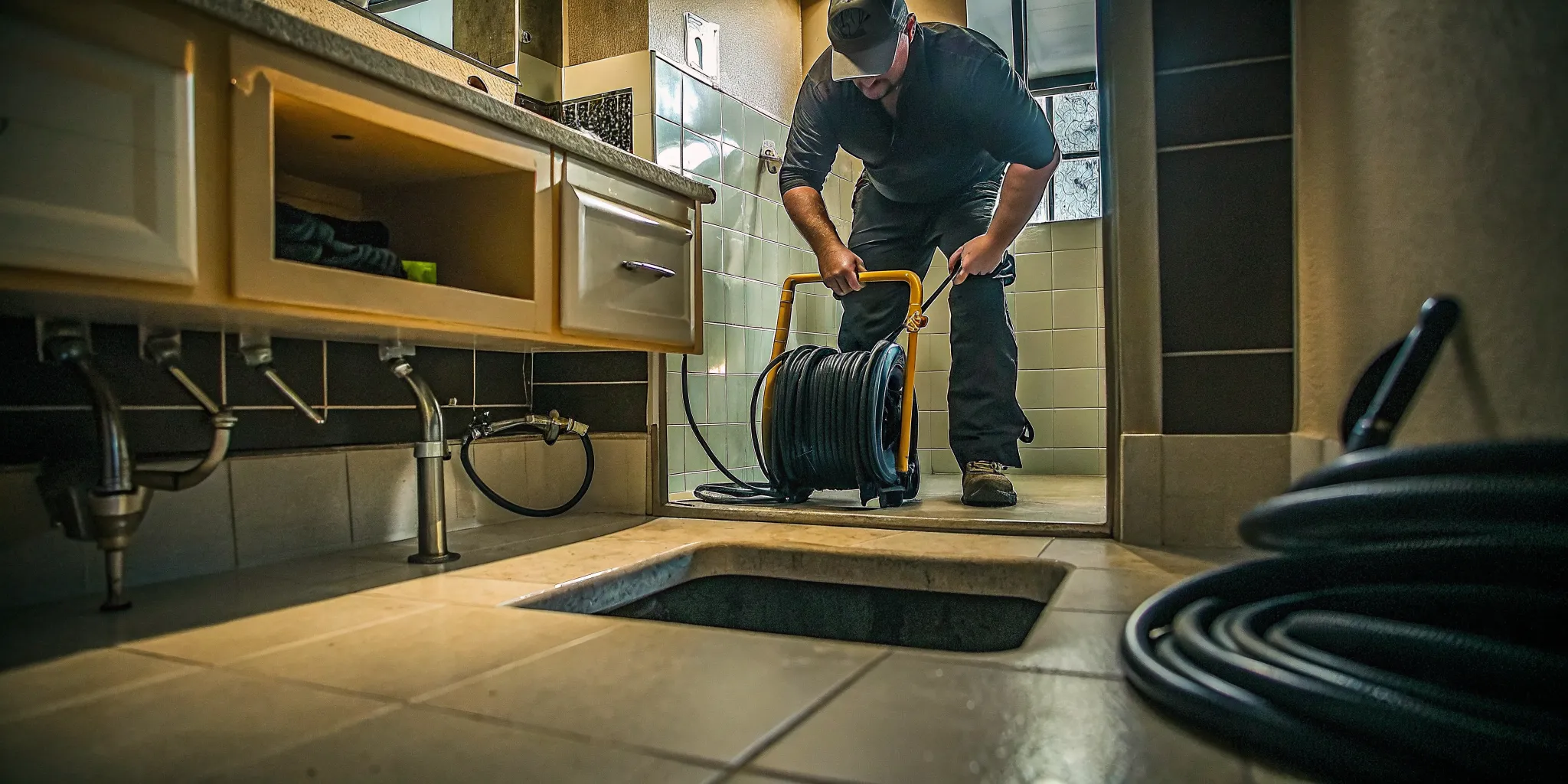
Sewer Gas Smell in House Ventura County Guide
A rotten-egg odor indoors signals a broken barrier somewhere in your drain system. Finding the source before repairing anything protects your home and avoids costly wasted work.
Need help now? Call Conejo Bros Plumbing at 805-603-1983 for sewer odor diagnosis in Ventura County.
A sewer gas smell in house Ventura County residents notice usually points to a dry P-trap, blocked line, loose toilet seal, or damaged vent. Start by adding water to rarely used drains, but treat a lasting or returning odor as a sign that the system needs diagnosis. Sewer gas may contain hydrogen sulfide, which can cause eye irritation, headaches, and fatigue during low, longer-term exposure, according to the CDC. A professional can use camera inspection and non-invasive smoke testing to locate the defect before recommending a repair, rather than guessing from the smell alone. Leave the area and seek urgent help if the odor is strong or anyone develops sudden symptoms.
The key question is whether the odor comes from a simple dry trap or a hidden defect that needs professional testing. Next, the first section explains the warning signs and likely sources to check before assuming the repair.
Sewer gas smell in house Ventura County: what it usually means
A sewer gas smell in a Ventura County house usually means gases have found a path around the plumbing system’s normal seals. The source may be simple, such as a dry drain trap. It may also be a hidden vent, toilet seal, or sewer line defect.
The odor alone cannot show which part has failed. Its location, timing, and link to water use offer useful clues. Still, a lasting or recurring smell calls for a professional diagnosis before anyone opens walls or starts a repair.
Likely sources of the odor
- A dry P-trap: Water in a sink, shower, floor drain, or laundry trap blocks sewer gas. An unused drain can dry out and lose that seal.
- A toilet seal problem: A loose toilet or failed wax ring can leave a small gap for odors near the fixture.
- A venting defect: A blocked, cracked, or poorly joined plumbing vent may send gas back into the home.
- A sewer line issue: A blockage, break, loose joint, or root-damaged pipe may let odors escape below or near the house.
- A water heater issue: If only hot water smells like rotten eggs, bacteria in the water heater may be the source.
Dry traps and plumbing defects are common starting points because working traps should stay filled with water. A county sewer guide notes that smoke should not enter a home when plumbing works. It also says traps must be filled with water. That rule explains why rarely used drains deserve an early check.
What the smell’s pattern can show
An odor beside one sink or floor drain may point to that fixture’s trap. A smell near a toilet can suggest a failed seal. Odors across several rooms may point to a wider sewer or vent issue. The same is true when smells appear after drains run.
Ventura County homes can have several possible odor paths at once. Refilling a dry trap may stop one smell, but it will not fix a cracked pipe. Review the available sewer system maintenance and repair options when the odor returns or affects more than one area.
Why diagnosis comes before repair
Guessing can lead to repairs that do not address the leak. A camera inspection can show breaks, roots, pipe shifts, or collapses inside a line. Smoke testing can trace an odor path a camera may not reveal. This includes leaks around joints, vents, and hidden links.
During a smoke test, safe test smoke follows openings in the sewer system and makes the defect easier to locate. Homeowners can learn what to expect from professional sewer odor smoke testing. The right test matches the repair to the actual source, not just the strongest-smelling room.
Common causes of sewer gas odors inside a home
A sewer gas smell in a Ventura County house can come from several parts of the plumbing system. The room where the odor seems strongest offers a useful clue, but smells can travel through walls and drains. Note when and where the odor appears, then let a drain and sewer specialist confirm the cause.
Dry P-traps and loose toilet seals
A P-trap is the curved pipe below a sink, shower, or floor drain. It holds water that blocks gas from moving out of the drain. The water can dry out when a fixture sits unused, which often makes the odor strongest near that drain.
Homeowners may notice the smell in a guest bathroom, laundry room, or other space that gets little use. In fact, a local government’s sewer smoke testing guidance says traps must stay filled for plumbing to keep sewer gases out.
A cracked or loose seal beneath a toilet can create a similar odor. The smell may seem worse near the toilet base, even when no water leak is easy to see. A toilet that rocks or shifts can also point to a seal or mounting issue. A plumber should inspect the fixture instead of relying on odor alone.
Blocked vents and damaged sewer lines
Plumbing vents route sewer gas above the roof and help drains flow as designed. A blocked, loose, or damaged vent may send odors back into the home. Possible clues include gurgling drains, slow drainage, or an odor that returns when another fixture runs.
Cracks, loose joints, root damage, and clogs in a sewer line can also let gas escape. The odor may come and go as water use and air pressure change. Several slow drains or repeat backups suggest the issue may extend beyond one fixture.
These defects are often hidden below floors, behind walls, or underground. Avoid opening sewer cleanouts or climbing onto the roof to investigate. A camera inspection can show clogs and pipe damage, while professional sewer odor smoke testing can help locate hidden leaks.
Sulfur bacteria and water heater odors
Not every rotten-egg smell comes from sewer gas. Sulfur bacteria or reactions inside a water heater can make hot water smell similar. If the odor appears only while hot water runs, the water supply or heater may be the source.
Compare what happens at several fixtures without taking the heater apart. Note whether the smell occurs with hot water, cold water, or both. These details help a qualified professional separate a water issue from a drain or sewer defect.
When the source remains unclear, do not assume the odor is harmless or mask it with air freshener. Ask for an inspection of the drains, vents, toilet seals, and sewer line. Conejo Bros Plumbing provides sewer system maintenance and repair across Ventura County and the Conejo Valley.
Is sewer gas in the house dangerous?
A sewer gas smell in the house should never be ignored, but it does not always mean immediate danger. Risk depends on the gases present, their amount, and how long people breathe them. A dry drain trap or plumbing defect can let sewer gas enter living spaces.
Hydrogen sulfide symptoms
Hydrogen sulfide is one part of sewer gas and often causes a rotten egg odor. The CDC notes that lower, longer exposure can cause eye irritation, headache, and fatigue. Nausea, dizziness, breathing trouble, or worsening symptoms are also reasons to take the odor seriously.
Move everyone into fresh air if symptoms begin while the odor is present. Pay close attention to children, older adults, pets, and anyone with breathing problems. Do not stay inside to search for the source when someone feels ill.
When to leave the house
Leave at once if the odor is strong, symptoms appear, or you hear a gas alarm. Methane can burn, so avoid matches, candles, smoking, and anything else that may create a spark. Do not turn switches or appliances on or off while leaving.
- Get all people and pets outside to fresh air.
- Call emergency services for breathing trouble, fainting, confusion, or severe illness.
- Call the gas company from outside if the odor could be natural gas.
- Wait for safety officials to say the home is safe before going back inside.
Natural gas and sewer gas are different problems, but both can have strong odors. If you cannot tell which one you smell, treat the issue as urgent. Leave first, then call the gas company or emergency services from a safe place.
When to call a sewer specialist
Call Conejo Bros Plumbing after immediate safety risks have been handled. A recurring sewer gas smell in a Ventura County house may point to a failed trap or hidden sewer defect. Professional testing can find the source without relying on the smell alone.
Conejo Bros can inspect the drain and sewer system, then explain what needs repair. Their professional sewer odor smoke testing can help locate hidden leak paths. For broader line concerns, review their sewer system maintenance and repair options or call 805-603-1983.
Do not cover the odor with sprays or assume it will clear on its own. Until the source is found, limit time in the affected area. Keep people away from rooms with a strong smell. A sewer specialist can check the system after emergency officials rule out an immediate gas hazard.
When is a sewer odor smoke test useful?
A sewer odor smoke test is useful when an odor keeps returning but its source is not easy to see. People searching for “sewer gas smell in house Ventura County” may be dealing with a hidden defect. Smoke testing helps trace that defect without opening walls or floors just to look for it.
When a smoke test makes sense
Start with simple checks, such as making sure each drain trap contains water. If the smell remains, a technician may inspect the sewer line and plumbing system. A drain camera inspection service can show breaks, roots, collapsed sections, and pipes that no longer line up.
A camera only shows the inside of the pipe it can reach. Smoke testing can help when the odor comes from a small opening elsewhere in the system. It is useful when the smell shifts between rooms, appears near a wall, or returns despite routine drain cleaning.
The test may also help after a remodel or plumbing repair. A new connection, toilet seal, or capped line can leave an unseen path for gas. Testing the connected system can show whether that path leads into a living space.
- The odor persists after dry drain traps have been refilled.
- The smell appears near a toilet, wall, cabinet, or floor opening.
- A camera inspection does not fully explain the odor.
- The source seems to move or only appears at certain times.
What the test can reveal
During the test, a technician sends air and test smoke through the sewer system. The smoke follows an opening and becomes visible where it escapes. A county public works guide explains that this process can reveal defective sewer connections that let gas enter a building.
Visible smoke may point to a cracked pipe, loose connection, faulty toilet seal, open cleanout, or another gap. It can also expose a dry trap that no longer blocks gas. The test narrows the search area, so the next repair can address the actual path instead of relying on guesses.
Where smoke appears matters. Smoke near a fixture may suggest a local seal or trap issue. Smoke along a wall or outside surface may point toward a hidden connection or damaged line. The technician can document that location and compare it with the pipe layout.
Why the process is non-invasive
Smoke testing uses the existing pipe network to trace leaks. Technicians do not need to cut drywall, lift flooring, or dig across the yard before they know where the issue lies. The test smoke is a marker, while the plumbing route does the diagnostic work.
This approach helps limit exploratory work. It does not repair the defect, and it may not replace a camera inspection. Instead, each test gives the technician a different view of the system. Together, the findings can support a focused repair plan.
Conejo Bros Plumbing offers professional sewer odor smoke testing for hidden sewer odor sources. The verified published price is $550. A technician can pair the findings with camera results, then explain which defect needs repair and where it is located.
Smoke test vs. camera inspection vs. drain clearing
A smoke test, camera inspection, and drain clearing answer different questions about a sewer gas smell in house Ventura County residents notice. The right choice depends on whether the main clue is odor, poor flow, or a suspected pipe defect. A smoke test can reveal paths that let sewer gas escape, while the other methods examine or clear the line.
What each service can show
These services are related, but they are not interchangeable. A technician may start with the method that best matches the symptoms, then use another method to confirm the cause. The table shows what each option can and cannot establish on its own.
| Method | When it is used | What it can find | What it does not prove |
|---|---|---|---|
| Smoke test | Odor persists, but its entry point is hidden | Leak paths, bad connections, and openings that release smoke | The pipe’s full inside condition or the exact repair needed |
| Video camera inspection | A buried line may have damage or blockage | Root intrusion, breaks, collapses, and misaligned pipe sections | Every small gas leak outside the camera’s view |
| Drain clearing | Fixtures drain slowly, back up, or show signs of a clog | Whether restoring flow resolves symptoms tied to a blockage | That a crack, vent issue, or hidden odor path is absent |
Why one method may not be enough
A smoke test follows the route of escaping smoke, making it useful when odor appears without an obvious clog. It can point to a hidden opening, but it does not provide a complete view inside the pipe. Conejo Bros Plumbing explains its professional sewer odor smoke testing process for homes with hard-to-find odor sources.
A camera inspection answers a different question. It gives the technician a direct view of conditions inside an accessible drain or sewer line. This can show roots, breaks, collapsed areas, or shifted pipe sections. A drain camera inspection service is most useful when line damage or a blockage may be involved.
A diagnostic-first plan
Drain clearing restores flow when a blockage is the likely issue. Better flow may reduce symptoms, but clearing alone does not prove the odor source is gone. An open line can still have a bad joint, damaged vent, dry trap, or another path that lets gas enter.
For that reason, the best starting point is the symptom pattern. Slow drains and backups support checking for a clog or damaged line. Odor without poor flow may support smoke testing first. When clues overlap, pairing methods gives a clearer basis for repair instead of relying on guesswork.
What should you do when the smell comes and goes?
An intermittent sewer odor still points to a problem worth checking. The smell may fade before you can find its source. A simple record can help a drain specialist diagnose it.
Safe first steps
If the odor is strong, move away from the area and let in fresh air when safe. Hydrogen sulfide exposure can cause eye irritation, headaches, and fatigue, according to the CDC toxic substance guide. Leave the home and seek help if anyone feels ill.
Do not open sewer lines, climb onto the roof, or mix drain chemicals while investigating. These actions can create added risks without showing why the odor comes and goes.
- Note where and when it happens. Write down the room, time, weather, and any recent drain use. Also note whether the smell follows laundry, showers, toilet flushing, or long periods without plumbing use.
- Check rarely used drains from a safe position. Look at guest baths, floor drains, utility sinks, and other fixtures that sit unused. If the fixture is intact, adding water may refill a dry trap. Stop if you see damage, sewage, or a backup.
- Watch for other clues. Note slow drains, gurgling, toilet movement, damp spots, or odors near one wall. Do not take apart pipes or guess at a repair based on one clue.
- Call for a diagnosis when the odor returns. Share your notes and ask for the source to be checked before approving repairs. A drain camera inspection service can reveal breaks, roots, pipe shifts, and collapsed sections inside a line.
When a recurring odor needs service
A smell that disappears is not proof that the issue is gone. Recurring odor can point to a trap problem, vent defect, or hidden sewer leak. The right test depends on the signs and where the odor appears.
For odor sources that remain hidden, professional sewer odor smoke testing can help locate defects without guessing at repairs. The test sends safe smoke through the sewer system. Smoke follows a leak path and reveals the source.
Local help in Ventura County
If a sewer gas smell in your Ventura County house keeps returning, schedule a professional diagnosis. Conejo Bros Plumbing serves Thousand Oaks, Moorpark, Simi Valley, Camarillo, Oxnard, Ventura, and nearby communities.
Help is available 24/7 for urgent drain and sewer issues. Call 805-603-1983, explain where the smell occurs, and share the timing notes you collected.
Frequently Asked Questions
Why am I getting a sewer gas smell in my house?
A sewer gas smell can enter a house through a dry P-trap, blocked sewer line, loose toilet seal, or damaged plumbing vent. Cracks or breaks in a sewer line can also release odors. Because several defects create similar smells, a professional camera inspection or smoke test can identify the source before repair work begins.
Is it safe to stay in a house with a sewer gas smell?
Do not ignore a persistent or strong sewer gas smell. Ventilate the area, avoid flames, and leave the house if anyone develops symptoms. The CDC notes that low, longer-term hydrogen sulfide exposure can cause eye irritation, headache, and fatigue. Seek medical help for symptoms, then arrange a professional plumbing diagnosis.
What does toxic sewer gas smell like?
Sewer gas often smells like rotten eggs because it may contain hydrogen sulfide. However, odor alone cannot show which gas is present or how concentrated it is. A musty, sewage-like, or sulfur odor near drains, toilets, or walls may signal a plumbing defect. Treat a strong or recurring smell as a reason to ventilate and investigate.
Does a sewage smell in the house come and go?
Yes, a sewage smell may come and go when a drain trap dries out, air pressure changes, or plumbing use moves gas through a defect. Intermittent odor does not prove the problem has cleared. Note where and when the smell appears, then have the drain, vent, toilet seal, and sewer line checked if it returns.
How do I stop a sewer gas smell in my Ventura County house?
Start by running water into rarely used drains to refill their P-traps and ventilating the affected rooms. If the odor remains or returns, avoid guessing at repairs. A camera inspection can check the sewer line, while professional sewer odor smoke testing can reveal hidden leak paths. Diagnosis should come before repair.
Ready to Find and Fix Your Sewer Odor Source?
Ignoring a sewer odor can allow a hidden drain or sewer issue to worsen, making the cause harder and more disruptive to address later. Starting now gives a professional time to locate the odor source before you commit to repairs that may not solve the problem. A careful diagnosis can clarify whether smoke testing or another targeted service is the right next step for your Ventura County property.
Ready to stop guessing about the smell? Call 805-603-1983 to schedule professional sewer odor diagnosis and get a clear plan for addressing the source. Talking with a drain and sewer specialist today can help you move from an unexplained odor toward the right repair without unnecessary delay.
