


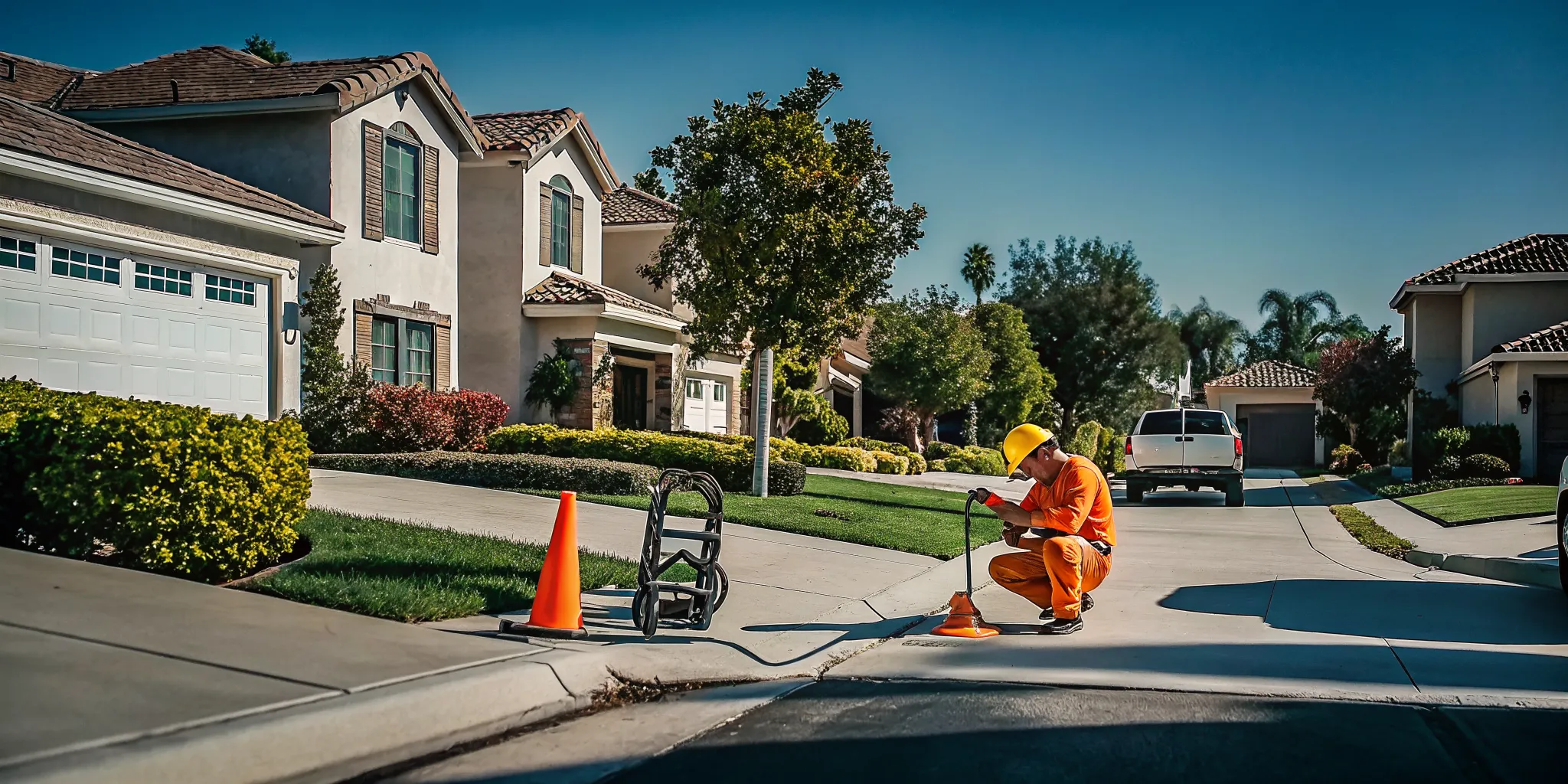
Real Estate Sewer Inspection Conejo Valley Checklist
One camera inspection can expose the roots, cracks, and blockages a standard home inspection may miss.
Schedule Your Conejo Valley Sewer Inspection – Call 805-603-1983
A real estate sewer inspection Conejo Valley buyers, sellers, and agents can rely on should document the main line before contingencies expire. The checklist starts with confirming access, running a camera through the reachable sewer line, and recording video that shows roots, blockages, cracks, offsets, or collapse. It should also identify pipe material, note any areas the camera could not reach, explain recommended repairs, and clarify who is responsible for the line. Because a standard home inspection may not include a professional sewer scope, schedule this specialized check early enough to review findings and negotiate repairs. Use the Conejo Bros Plumbing blog to keep related plumbing due diligence organized. Conejo Bros Plumbing provides camera diagnostics and video documentation, while the EPA notes that inspections can identify root intrusion, grease, and debris that cause blockages.
The key question is not simply whether the sewer flows today, but what the video reveals about its condition and future risk. The next section, Real estate sewer inspection Conejo Valley checklist, keeps the scope, report, and transaction decisions clear. Here’s how.
Real estate sewer inspection Conejo Valley checklist
A transaction-focused sewer checklist keeps buyers, sellers, and agents working from the same evidence. It centers on the private sewer line, not every fixture or plumbing system in the home. Use it to schedule the scope, review the video, and make repair decisions before the inspection contingency expires.
Book Conejo Bros Plumbing’s real estate sewer inspection early enough to leave time for review and follow-up. The service costs $450, and Conejo Bros Plumbing shares other published service rates on its pricing page and includes video documentation, which gives the parties a clear record to discuss.
Before the camera visit
Start by confirming the contingency deadline, inspection access, and the party responsible for scheduling. Ask where the cleanout is located and whether it can be reached without moving stored items. A standard home inspection may not include a professional sewer scope, so confirm that this work is ordered separately.
- Share the property address, closing schedule, and access details.
- Confirm which sewer line serves the property and who owns it.
- Ask the seller about past backups, repairs, cleaning, or known root issues.
- Make sure the inspector can access the cleanout or another safe entry point.
- Set a date for the parties to review findings before contingencies expire.
The scope should create useful evidence, not just a pass-or-fail answer. A sewer camera inspection can show the line’s interior and help locate visible trouble. The EPA notes that inspections can find places where roots, grease, and debris may cause blockages.
Evidence to request
Request the complete video, clear notes, and the inspector’s explanation of any visible concern. The record should identify the area viewed and note any limits that kept part of the line from being inspected. It should also separate current defects from items that may need future monitoring.
- Video showing the inspected route and visible pipe condition.
- Notes on roots, debris, blockages, damage, or other concerns.
- Locations of findings when they can be marked with reasonable accuracy.
- An explanation of any section the camera could not reach or clearly view.
- Suggested next steps when more testing, cleaning, or repair review is needed.
Good records matter after the walkthrough ends. The EPA’s sewer inspection guidance calls inspection records critical for sound operation and upkeep. In a sale, that same record helps each party review the same findings instead of relying on memory.
Decisions before the deadline
Buyers can use the findings to ask questions, seek repair details, or discuss options with their agent. Sellers can provide past work records and clarify what they will address. Agents can track open questions and keep decisions tied to the contract timeline.
Do not wait until the final contingency day to review the footage. Leave room for a second opinion or a repair estimate if the video shows a concern. The goal is a documented decision made within the transaction timeline, not a broad review of every plumbing component.
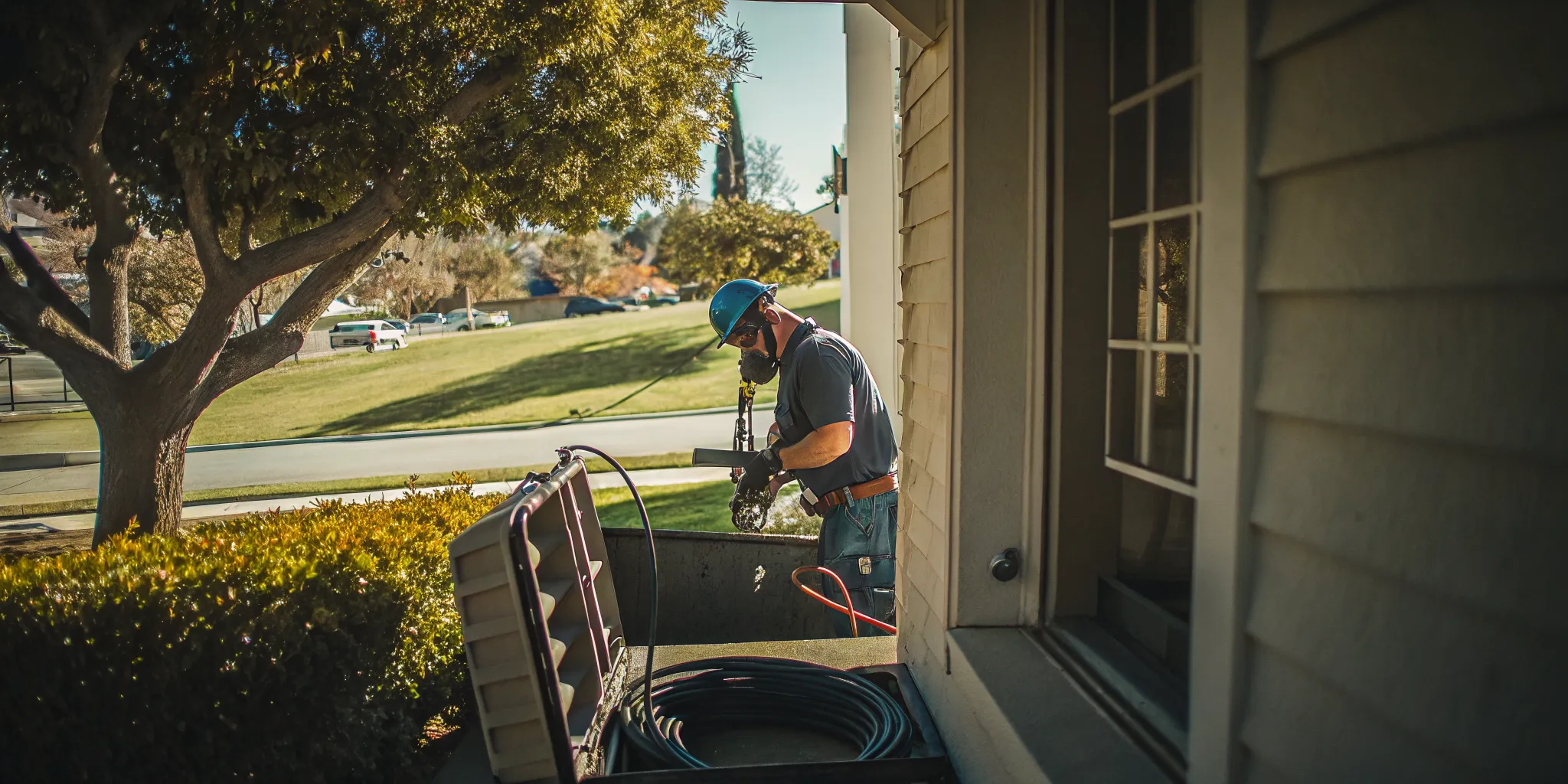
What a sewer camera inspection can reveal before closing
Blockages and flow problems
A camera gives buyers a direct look inside the property’s main sewer line. It can reveal roots entering at joints, grease buildup, loose debris, and other material that narrows the pipe. The EPA notes that inspections can find root intrusion and places where grease and debris collect.
The video may also show standing water in a low spot, often called a belly. A low spot can hold waste and raise the chance of repeat clogs. Slow drainage during the visit can add context, but the camera footage shows where the concern sits within the line.
Damage and faulty connections
A sewer camera inspection can show cracks, broken sections, corrosion, and worn pipe walls. It can also reveal offset joints, where two pipe sections no longer line up. Roots may enter through that gap, while waste can catch on the exposed edge.
More serious findings include a crushed section or full collapse that blocks the camera’s path. The technician can note the location and explain whether the footage suggests cleaning, repair, or more testing. A clear view also helps separate a local defect from damage spread across the line.
Buyers should not assume a newer property has a clear sewer. Construction debris, poor connections, and soil movement can affect lines of many ages. A real estate sewer inspection in Conejo Valley adds a focused check that a standard home inspection may not cover.
Evidence for the purchase decision
Video documentation turns a hidden pipe issue into evidence that buyers, sellers, and agents can review. Conejo Bros provides video documentation with its real estate sewer inspections. Ask the technician to explain each finding, its location, and the likely next step.
Use the report to request repair quotes before removing the inspection contingency. If the line needs work, the parties can discuss a seller repair, a credit, or a price change. Buyers can also ask whether any repair needs permits, access through landscaping, follow-up testing, or trenchless sewer solutions.
- Confirm which part of the line was viewed and whether the camera reached the connection point.
- Ask for the distance and location of each blockage, offset, low spot, damaged section, or collapse.
- Get written repair options and quotes for major findings before closing.
- Keep the footage and report with the property’s records for later reference.
Buyer, seller, and agent checklist before the inspection
A smooth real estate sewer inspection in Conejo Valley starts with clear roles and an agreed schedule. Buyers, sellers, and agents should settle the details before the technician arrives. That prep protects inspection time and helps everyone receive the same useful record.
Early scheduling and clear roles
Schedule the inspection early in escrow, while there is still time to review the findings. The buyer or agent can confirm the appointment, while the seller confirms access to the property. Agree on one contact who can answer questions on inspection day.
- Book the inspection early. Share the escrow timeline and any key review dates when scheduling. Confirm the property address, appointment window, and on-site contact.
- Locate the sewer cleanout. Ask the seller where the cleanout is and whether it can be opened. Remove stored items, plants, or locked covers that may block safe access.
- Share property access details. Provide gate codes, parking notes, pet instructions, and contact information before the visit. Tell the inspector about known cleanouts or past sewer work.
- Request video documentation. Ask whether the service includes footage and a written summary. A sewer camera inspection can show the pipe’s condition and visible concerns.
- Name the report recipients. Confirm which buyer, seller, agent, or other approved contact should receive the video and findings. Decide who will collect follow-up questions for the inspector.
Cleanout and site access
A visible cleanout does not always mean it is ready to use. The seller should note locked gates, narrow side yards, landscaping, or stored items near the access point. If the cleanout cannot be found, tell the inspection company before the appointment.
Keep the planned work area open and easy to reach. Clear access helps the technician focus on the line and gather useful footage. It also reduces delays caused by searching for the entry point or waiting for a gate code.
Video, findings, and follow-up
Ask how the footage will be delivered and whether it will include location notes. The EPA calls inspection documentation critical to successful sewer operation and maintenance. A shared record gives each approved recipient the same view of visible conditions.
Before the visit, decide who may speak with the technician and receive the report. Buyers can prepare questions, sellers can share known service history, and agents can keep communication organized. After delivery, send one clear list of follow-up questions instead of separate requests from several people.
How inspection findings support repair negotiations
During a home sale, a sewer concern can quickly become a vague and costly point of debate. A recorded inspection gives buyers, sellers, and agents the same evidence to review. It keeps the discussion focused on pipe condition rather than fear or guesswork.
A shared record of pipe conditions
A useful video shows the route inspected, visible pipe conditions, and the location of any concern. It may reveal roots, debris, damage, or a blockage. That is more useful than a broad claim that the sewer is simply “bad.” The EPA explains that sewer inspections can locate roots, grease, and debris. Those conditions may cause blockages.
Clear footage also helps separate an active problem from a condition that may need monitoring. Notes tied to the video can explain what appears on screen and where it appears. Buyers and sellers can then discuss the same finding with less risk of misunderstanding.
Evidence for repair and credit requests
Documented findings give a buyer a clear basis for asking about repairs, a credit, or further review. The request can point to a specific pipe section and visible concern. That is more useful than asking for a broad allowance based only on the property’s age.
A seller can use the same record to seek repair options and decide how to respond. If work is completed, a later inspection may help show the changed condition. Conejo Bros Plumbing’s sewer inspection and repair information explains the related services available when a finding needs more review.
The footage itself does not set a repair price or decide who should pay. It gives the parties a defined starting point for their talks. Buyers and sellers should work with their agents and other advisers on contract terms, credits, and disclosure duties.
Clarity without sales pressure
A real estate sewer inspection in Conejo Valley should explain what the camera found, not turn every finding into an urgent sales pitch. A calm review can distinguish visible defects from items that need more testing. It should also state when part of the line could not be viewed.
Buyers gain a clearer view of the sewer before making a final property decision. Sellers gain a chance to address documented concerns instead of reacting to unclear claims. Agents can keep the conversation tied to the inspection record, proposed next steps, and the transaction timeline.
For added context, a sewer camera inspection explains how video supports diagnostic clarity before major sewer work. That record can reduce surprises while leaving repair choices and negotiation terms to the people involved in the sale.
Book a $450 real estate sewer inspection before your contingency deadline.
Real estate sewer inspection costs and timing in Conejo Valley
Conejo Bros Plumbing publishes a $450 price for a real estate sewer inspection in Conejo Valley. That clear starting price helps buyers, sellers, and agents plan before a transaction deadline. Other local providers may quote different prices based on their scope, access needs, and included records.
Price alone does not show the full value of an inspection. Ask what the quote covers, what part of the line will be viewed, and whether you receive video documentation. A clear scope makes it easier to compare findings and decide what to do next.
Published price versus general quotes
A lower quote may cover a narrower service, while another quote may include added documentation or review. Compare the actual inspection scope before choosing a provider. Conejo Bros uses camera diagnostics and provides video documentation, giving transaction parties a record of what the camera found.
| Comparison point. | Conejo Bros published service. | General market quote. |
|---|---|---|
| Starting cost. | Published at $450. | Varies by provider and scope. |
| Inspection method. | Camera-based sewer inspection. | Confirm method before booking. |
| Documentation. | Video documentation provided. | Ask what records are included. |
| Service area. | Conejo Valley and nearby Ventura County cities. | Confirm travel area and fees. |
Scheduling before contingency deadlines
Book the inspection as early as practical after the inspection period begins. That leaves time to review the footage, ask questions, and seek repair information before a contingency deadline. It also gives the seller or agent time to arrange access to the property and sewer cleanout.
Do not assume the sewer scope is part of a standard home inspection. Treat it as a separate item on the transaction checklist, then confirm the appointment date with all parties. Ask about access requirements when booking, since blocked or hard-to-reach entry points can affect the visit.
Timing and useful records
Exact inspection time depends on pipe access, line conditions, and what the camera finds. Avoid planning around an unsupported fixed duration. Instead, allow room in the transaction schedule for the inspection and review of the resulting video.
The EPA notes that documenting sewer inspections is critical for sound operation and maintenance. For a buyer, that record can also support a more informed property decision. A focused sewer camera inspection can show issues that need more review before closing.
Conejo Bros serves Thousand Oaks, Westlake Village, Newbury Park, Moorpark, Simi Valley, and nearby Ventura County communities. Buyers and agents should confirm service availability early, especially when a contingency date is close.
Does a standard home inspection include the sewer line?
No. A standard home inspection usually reviews visible plumbing fixtures, but it often does not include a camera inspection of the private sewer lateral. Buyers should order a separate sewer scope when they need video evidence of the line’s condition before closing.
No, a standard home inspection does not usually include a professional sewer scope. General inspectors tend to focus on visible plumbing and systems inside the house. The buried main sewer line needs separate tools and a trained specialist. Before scheduling, ask the inspector exactly what the written agreement includes.
What the standard inspection may miss
A general inspector may run faucets, flush toilets, and look for visible leaks. Those checks can show that fixtures drain during the visit. They do not show the full condition of the buried pipe between the home and its connection point.
A professional sewer camera inspection gives a closer view inside that line. The camera can reveal damage, buildup, or roots that routine fixture tests may not expose. The EPA notes that inspection methods can find places where roots, grease, and debris may cause blockages.
When to add a sewer specialist
Consider a separate real estate sewer inspection in Conejo Valley when the property’s risk is not clear. Older homes may have aging pipe materials or repairs that are hard to verify. Mature trees also raise concern because roots can enter weak joints or damaged sections.
- Older property: The sewer line may have wear, offsets, or past work that is not visible indoors.
- Mature trees: Roots near the sewer path may reach cracks or loose pipe joints.
- Remodeled home: New finishes do not confirm that older buried plumbing was replaced or checked.
- Limited plumbing history: Missing invoices, permits, or repair records leave important questions open.
A specialist is also useful when drains move slowly, odors are present, or the seller reports past backups. These signs do not prove a sewer defect. They do give the buyer a sound reason to request a closer look before making decisions.
What the added scope provides
During the scope, a technician guides a camera through an accessible opening and records the line’s condition. The video helps buyers, sellers, and agents discuss visible findings with shared evidence. This matters because the EPA says cleaning and inspecting sewer lines are essential to a properly working wastewater system.
Ask who will perform the scope, how far the camera can travel, and whether video is included. Also ask what happens if the line is blocked or lacks a safe access point. Clear answers make the sewer review easier to compare with the standard inspection report.
What to do after the inspection report arrives?
After the report arrives, review the video, ask for a clear explanation of defects, and decide whether to request repairs, credits, additional cleaning, or no further action. Share the documented findings with your agent so negotiations stay tied to observable pipe conditions.
Treat the report as a decision tool, not a simple pass-or-fail result. Start by matching each written note to the video footage and pipe location. Then sort the findings into urgent defects, routine cleaning needs, and items to watch over time.
Review the findings with your agent
Share the full report and video with your real estate agent. Ask which findings may affect the transaction timeline and which options fit your contract. Your agent can explain the process, but the plumbing contractor should explain the pipe condition and likely repair work.
Write down any unclear terms before that discussion. Ask where each defect appears, how much pipe is affected, and whether the line still works as intended. The EPA notes that inspections can find roots, grease, and debris that may cause blockages in its sewer inspection guidance.
Request a clear repair estimate
If the report shows a break, offset joint, root intrusion, heavy buildup, or failed section, ask a licensed plumber to review it. Request a written estimate that ties each proposed repair to a specific finding. It should state the repair method, work area, and any assumptions that could change the price.
Also ask whether cleaning or another camera pass is needed before the final scope becomes clear. Conejo Bros Plumbing can review the video and explain suitable sewer inspection and repair options. This step helps buyers, sellers, and agents compare choices using the same findings.
Choose the next discussion
Once the findings and estimate are clear, discuss the next step with your agent. Depending on the contract and local practice, that discussion may cover repairs, a credit, or a future maintenance plan. Keep the focus on documented pipe conditions rather than guesses about what might happen.
- Save the report, full video, estimate, invoice, and related messages in one folder.
- Note which findings need prompt work and which can enter a routine maintenance plan.
- Confirm who will arrange any agreed work and how completion will be documented.
- Ask whether repaired areas should receive a follow-up camera check.
Good records remain useful after closing. The EPA states that inspection documentation is critical to successful sewer operation and maintenance. For a real estate sewer inspection in Conejo Valley, clear files also make future service talks faster and more focused.
Frequently Asked Questions
How much does a real estate sewer inspection cost in Conejo Valley?
Conejo Bros Plumbing lists its real estate sewer inspection service at $450 for the Conejo Valley area. Pricing from other providers may differ based on access, property layout, and the requested report. Buyers, sellers, and agents should confirm whether the quoted fee includes video footage, a written summary, and findings that can support repair discussions before closing.
Why is a sewer inspection important when buying a home in Conejo Valley?
A sewer inspection can reveal hidden pipe problems before a buyer completes the purchase. The EPA notes that inspections can locate root intrusion, grease, and debris that may cause blockages. Clear findings help buyers assess the property’s condition, discuss repairs or credits, and plan for future maintenance with fewer surprises.
Does a standard home inspection include a sewer line check?
A standard home inspection usually does not include a professional sewer scope. General inspectors typically review visible plumbing fixtures and systems inside the home. A separate sewer inspection uses a camera to examine the line’s interior. Buyers and agents should confirm the inspection scope in writing instead of assuming the main sewer line will be checked.
Should I get a sewer inspection for a condo or townhome?
Yes, but first ask the HOA which sewer sections belong to the unit and which are common property. Responsibility can vary by community documents and pipe location. A targeted inspection may still identify defects in a unit’s private lateral. Review the HOA’s maintenance records and confirm access requirements before scheduling the inspection.
What will a sewer inspection report reveal?
A sewer inspection report should document the line’s visible condition, access points, and the location of observed concerns. Camera footage may reveal blockages, tree roots, cracks, offsets, corrosion, or damaged sections. The report should clearly distinguish observed defects from possible concerns and explain whether cleaning, further evaluation, or repair should be considered before the transaction closes.
Ready to Schedule Your Conejo Valley Sewer Inspection?
Waiting until late in escrow can leave buyers, sellers, and agents with less time to review findings, discuss repairs, and make informed choices. Starting now creates room for a focused sewer inspection and clear video evidence. It also leaves time for practical next steps before transaction deadlines limit your options. An early appointment helps everyone address questions promptly. It can keep avoidable uncertainty out of repair talks and the final closing decision.
Protect your timeline by arranging the inspection before other transaction details demand your attention. That added time can make the report easier to review and any follow-up easier to coordinate. Call 805-603-1983 now to schedule a real estate sewer inspection for your Conejo Valley property before the next deadline.
