


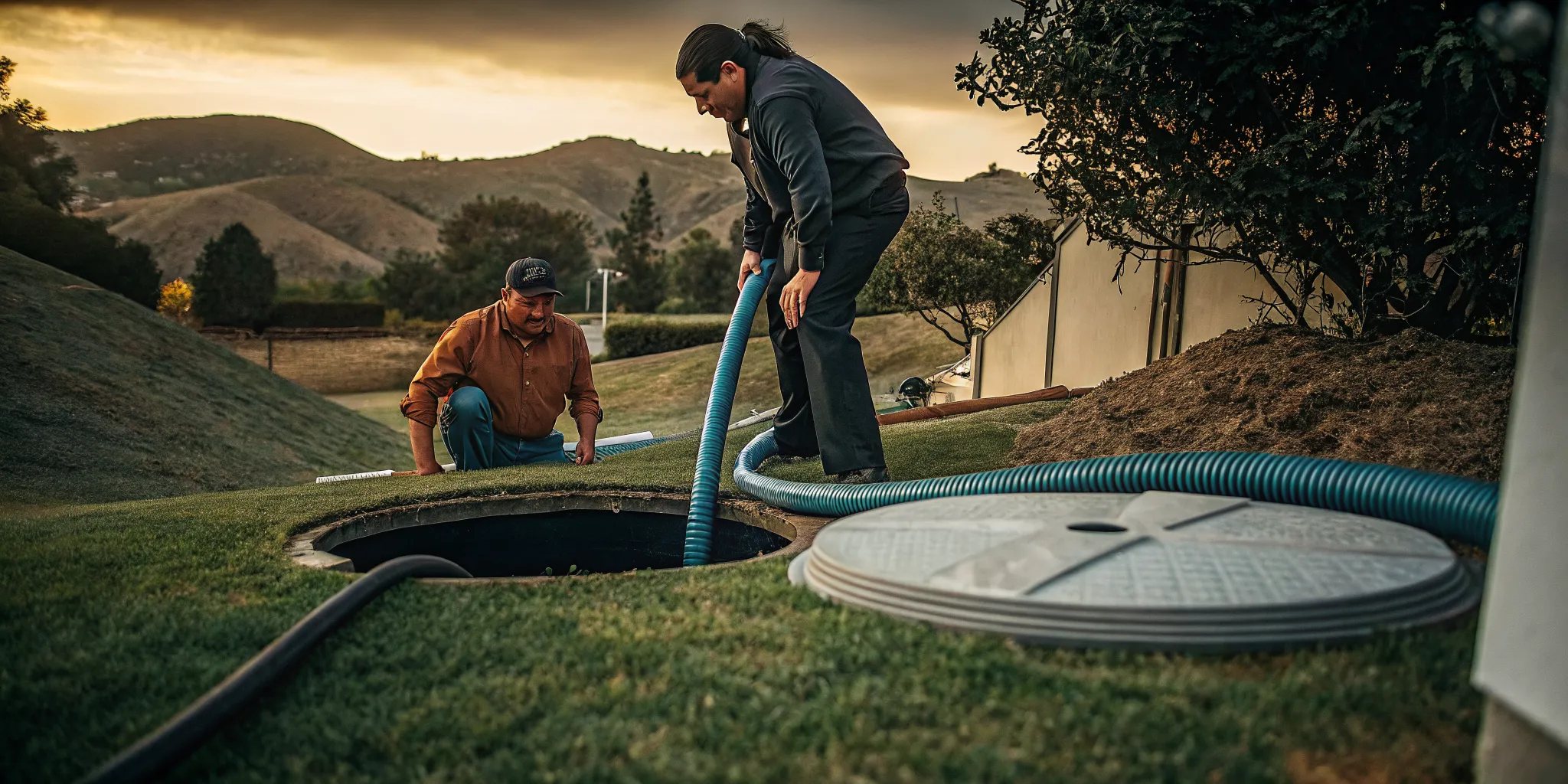
Septic Inspection Before Buying a Home Conejo Valley
Buying a home with a failing septic tank often leads to thousands of dollars in surprise repair costs. An expert check ensures your new property in Thousand Oaks or Westlake Village is safe and works well. It protects your money before you sign the final closing papers.
Call Conejo Bros Plumbing at 805-603-1983 for your pre-purchase septic inspection today.
A professional septic inspection before buying a home Conejo Valley is the only way to check the health of an underground waste system before closing. Since failing systems are very costly to replace, this clear check uses camera tools to find cracks, root damage, or hidden blocks that home inspectors miss. According to West Coast Sanitation, homebuyers should pay for their own clear check to get a fair report on the tank parts and drain field health. By checking past pumping records and looking for wet soil, pros can show if the system meets modern rules so you can ask for repairs. This proof allows you to ask for a lower price or a full system fix with complete confidence before you sign the final closing papers.
Homebuyers must look past the surface to understand the true state of a property’s waste system. Knowing Why a septic inspection before buying a home in Conejo Valley matters can save you from a dangerous and costly debt. The path begins with
Septic Inspection Before Buying A Home Conejo Valley: Why a septic inspection before buying a home in Conejo Valley matters
Buying a home in the Conejo Valley is a big step. Many homes in our area rely on septic systems to handle waste. While you might look at the kitchen or the roof, what lies under the yard is just as vital. A failing system can lead to high costs. A septic inspection before buying a home in Conejo Valley is the best way to avoid a bad surprise.
Costs of hidden failures
A septic system is one of the most costly parts of a home. If it fails, repairs can cost many thousands of dollars. Based on data from Angi, a septic check for a home sale can cost up to $1,300. At Conejo Bros Plumbing, our fee for this service is usually about $350. This small cost protects you from hidden problems. Without a clear report, you might buy a house that needs a new tank very soon.
There are also health risks to keep in mind. The Environmental Protection Agency warns that a broken system can leak waste into the ground. If the system is too close to a well, it can pollute drinking water. This puts your family and neighbors at risk. A full check ensures the system is safe and works the right way.
Limits of general home checks
Most home buyers hire a general inspector. These pros do a great job checking the lights, walls, and roof. But they often lack the tools and training to check a septic system. A standard check might only include flushing a toilet to see if it drains. It does not show what is happening deep underground or inside the tank walls.
At Conejo Bros Plumbing, we use a diagnostic-first method. We use high-tech cameras to see inside the lines and find cracks or root clogs. This gives you a clear view of the system’s health. A general inspector cannot provide this level of detail. You need a pro who knows the unique soil and septic needs of Ventura County.
Protecting your investment and health
A septic report gives you power during a home sale. If the check finds a problem, you can ask the seller to fix it or lower the price. This keeps the cost of repairs off your plate. Our team at Conejo Bros Plumbing provides clear reports with facts you can trust. We hold License # 1108756 and have years of local work in the area.
Paying for septic services before you sign the final papers is a smart move. It ensures your new home is a safe place to live. Do not leave the health of your yard and water to chance. A simple check can save you from a very big mistake in the future.
What should a complete septic inspection cover?
Buying a home with a septic system in the Conejo Valley brings unique needs. Most people only think about the tank, but a full check covers much more. You must know if the system can handle your family’s daily water use. A surface look is not enough to find hidden issues that could cost thousands of dollars later. For home buyers, a complete septic inspection is the only way to avoid a big repair bill after you move in.
The septic tank and interior baffles
The first part of a full check is the tank. The expert should open the main lid to look at the water level and the tank walls. They will check for cracks or leaks that let waste out or groundwater in. A key part of this step is checking the baffles. These are T-shaped pipes at the inlet and outlet of the tank. They keep solids in the tank and let only clear liquid flow to the soil. If a baffle is broken, solids can clog your pipes, which leads to system failure and bad smells.
The expert also measures the sludge and scum layers with a tool called a Sludge Judge. This tells you if the tank needs a pump out now. According to the U.S. Environmental Protection Agency, most systems need a check at least every three years. For a real estate sale, you should also have the tank pumped during the visit. This lets the pro see the very bottom of the tank. They can find roots or wear often hidden by waste in a full tank.
Drainfields and seepage pits
The next step moves past the tank to where the water goes. In Thousand Oaks and Westlake Village, many homes use seepage pits or deep drainfields. The pro will look for lush green grass or wet spots on the lawn. These are signs that the soil is no longer soaking up water well. They may perform a “load test” by running water into the system for a set time. This shows if the pits can handle a heavy load without backing up into the house. If the soil is clogged, the water will rise to the top.
When the soil cannot take more water, raw waste may pool on the surface. This is a big health risk for your family. You can also use a sewer camera inspection to look at the main line from the house to the tank. This finds pipe breaks or blocks caused by tree roots before they cause a flood in your home. Finding these problems early lets you ask the seller for a fix before you close the deal.
Safety lids and risers
Finally, the check must look at the access lids. Old septic lids were often made of thin steel or heavy concrete. These can rot or crack over time and become very dangerous. A safe lid must be water-tight and secure so kids or pets cannot fall into the tank. Many experts suggest adding risers. These are plastic pipes that bring the lid to the grass level. This makes future checks easier and cheaper because nobody has to dig through your yard to find the tank.
| Feature | Visual Look | Full Real Estate Check |
|---|---|---|
| Tank Access | Surface only | Lid is opened and tank is pumped |
| Sludge Level | Not measured | Checked with a Sludge Judge tool |
| Baffle Check | Skipped | Visual check of inlet/outlet pipes |
| Soil Load Test | Not performed | Tested with high water flow |
| Camera Check | Not included | Main line checked for root blocks |
| Safety Check | Limited | Full test of lid strength and seal |
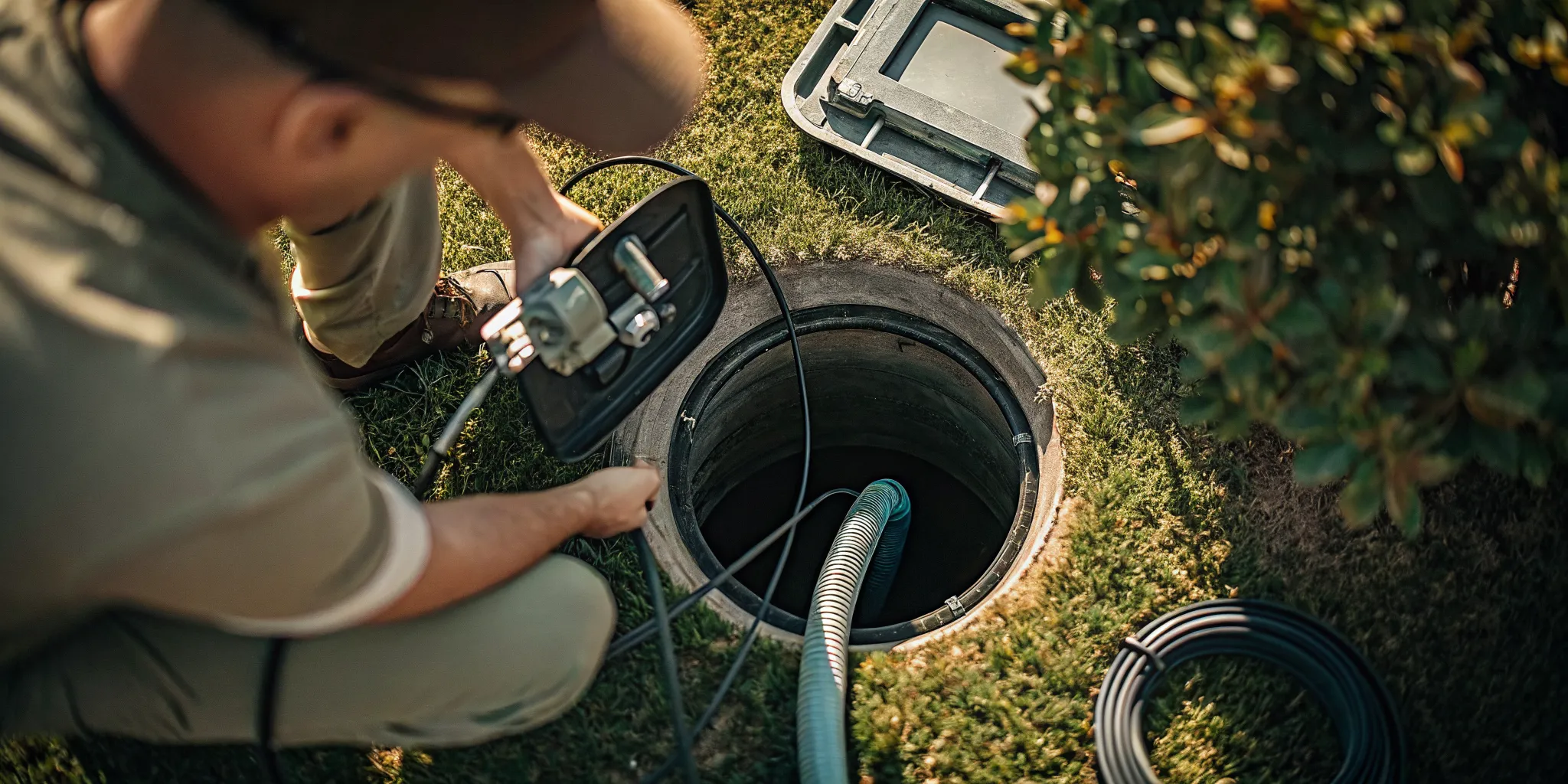
Schedule a complete septic inspection before your closing date.
How to coordinate the inspection before closing
Buying a home with a septic system adds a few key steps to your real estate journey. You must act fast during your due diligence period to find any hidden issues. A proper check keeps your water safe and protects your wallet. If a system fails, harmful bacteria and viruses can enter your drinking water well. In the Conejo Valley, you need a local team that knows our soil and regional rules to get the job done right.
Find the right inspector
You should hire a licensed expert who works for you, not the seller. Look for a team with a diagnostic-first approach. They should use tools like sewer cameras to see what is happening deep in the pipes. Our team at Conejo Bros Plumbing (License # 1108756) provides a full real estate plumbing inspection to give you clear facts. This report helps you know if the system is in good shape or needs a big fix.
Follow the inspection steps
Checking a septic system involves more than just a quick look at the yard. You need to follow a set path to get the best results. A good plan ensures you do not miss small leaks that could grow into big breaks. Use this list to stay on track during your septic inspection before buying a home Conejo Valley.
- Request the records. Ask the seller for the last pumping date and the site map. This helps your tech find the tank and leach field fast.
- Schedule the visit. Book your pro early in your escrow period. This gives you time to talk about the findings before you close.
- Check the tank. Your tech will open the lids to look for cracks. They will also check the scum and sludge levels to see how well it works.
- Run the water. The pro will run water in the house to test the flow. This shows if the drain lines are clear or if they have root blocks.
- Review the report. Read the full summary once the visit is over. Look for signs of past backups or parts that may fail soon.
- Talk to the seller. Use the facts to ask for repairs or a credit. If the system has big flaws, you can ask for a better price on the home.
Check the local service area
Working with local septic specialists ensures they know the land in your new town. Systems in Agoura Hills may face different soil issues than those in Thousand Oaks. A local pro knows how the ground affects the leach field and pipe health. This local knowledge gives you an edge as you move toward your closing date.
Which septic warning signs deserve closer attention?
Soggy soil, unusually green grass, sewage odors, slow drains, backups, and missing maintenance records all deserve prompt attention. Any one of these clues can justify a professional tank, line, and disposal-field inspection before closing.
Buying a home with a septic system in the Conejo Valley means you must look for clues that the system is failing. A failing system is very costly to fix or replace. You should always ask for a professional septic tank inspection before you close the deal. This help from a pro can find hidden issues that a quick look might miss.
Check the soil and grass
Walk across the yard where the septic tank and drain field are located. Look for soggy spots or wet soil, even when it has not rained. These are signs of surfacing sewage that you should not ignore. You should also look for patches of grass that are much greener or more lush than the rest of the yard. This happens when the soil gets too many nutrients from a leaking tank.
The drain field should be checked for these signs during every home sale. If you see water pooling or smell bad odors outside, the system may already be failing. Solids can carry over into the drain field and cause it to stop working if the tank was not pumped often enough.
Listen and smell for clues
Inside the home, pay close attention to the drains and toilets. Slow drains or gurgling sounds in the pipes can mean the tank is full or the pipes are blocked. Bad odors in the home or near the tank area are also a big red flag. These smells often mean that gases or waste water are escaping from the system where they should be kept.
A properly working septic system will keep harmful bacteria and nutrients away from your home. If you notice a sewage smell, it is a sign that the system needs help right away. Do not wait for a backup to happen before you call for a check.
Ask for upkeep records
A system with no history is a risk. You should ask for records of past pumping and repairs to see how well the home was kept. Systems that are older than 20 years need more care and should be checked every year. If the seller cannot show you when the tank was last pumped, you should assume it is overdue for service.
You can also check with the local health department for permit records. These files show the size and type of the system. This info helps you know if the system is right for your family’s needs. Getting a home sale sewer inspection can give you the peace of mind you need to move forward with the home buy.
Questions to ask during the real estate transaction
Buying a home is a big step that needs clear facts and smart choices. When the home uses a septic tank, you must ask the right questions to avoid high costs later. Our expert team at Conejo Bros Plumbing (License # 1108756) uses a clear path to help you. We want every buyer in Thousand Oaks and the Conejo Valley to feel safe with their new home’s pipes and waste system. Before you sign the final papers, use these questions to get the full story on your septic health.
What to ask the home seller
Start your search for facts by talking to the current owner. You should ask for all past care and pumping records to see the system’s past. Ask when the tank was last pumped and if they have seen any slow drains. It is also wise to ask if they ever had to fix the tank or drain field. A system that has had big issues before might need more care soon. You also need to know the exact spot of the tank. This helps you avoid planting trees or shrubs that could cause root damage to the pipes.
Ask the seller if the system has been pushed too hard lately. If a large family lived in a small home, the tank might have seen more waste than it was built to hold. You can also ask about the type of soaps or cleaners they used. Some harsh liquids can hurt the tiny bugs that make the tank work. Getting these details now helps you plan for your septic inspection before buying a home Conejo Valley. It gives you a head start before the pros come to look at the gear.
Questions for your septic inspector
When you hire a pro for a pre-purchase septic check, you need clear answers. Ask the expert if they see any cracks in the tank walls or signs of leaks. You should also ask if the baffles are in place and in good shape. These parts keep solids from moving into the drain field and causing a clog. If the inspector sees roots in the tank, ask how deep they go. Roots can break the seal and lead to big repair bills.
You should also ask about the state of the drain field. A good inspector will check for soggy soil or water that pools on the grass. Ask them if the system fits modern rules or if it needs a big fix soon. Since a pre-purchase pipe check can find hidden flaws, ask for a full report with photos. This gives you proof to take back to the seller if you need to ask for a price drop or a fix. We often suggest that the buyer picks the inspector to ensure the work stays fair and full.
Agent and local office questions
Talk to your real estate agent about who will pay for the test and any needed fixes. It is smart for the buyer to pay for the test to keep it neutral. You should also check with the local health office for permit, size, and type records. This will show you if the tank is the right size for the home’s use. If the home was added on to, the old tank might be too small for the new room count.
Finally, ask about the distance from the system to any drinking wells. The EPA warns that septic systems must be far from wells to stop waste from getting into your water. Ask your agent if there are any local rules in Agoura Hills or Moorpark that you need to know. Knowing these rules helps you avoid fines or health risks after you move in. A few simple questions now can save you thousands of dollars and a lot of stress in the years to come.
How should buyers respond to inspection findings?
Buyers should review the report with the inspector, separate urgent safety or failure concerns from maintenance items, estimate repair costs, and use documented findings when negotiating with the seller.
Getting the report from your septic inspection before buying a home Conejo Valley is a key step. This report shows the state of the system. It also notes any parts that need help now. You may find small items that only need routine care. Other results might show big problems that cost a lot to fix. It is key to stay calm and look at the facts with your local team.
Look at the results with a pro
The first thing you should do is talk to the tech who did the work. They can tell you if a leak is a small crack or a sign of a failing tank. A complete septic system evaluation looks at the tank, the baffles, and the drain field. If the tech finds that solids have moved into the drain field, the system could fail soon.
You should also look at the past of the home. Asking for files of past pumping can help you see if the owner took good care of the system. The EPA says a poorly kept system can leak bad germs into the ground. If the tank is too close to a well, wastewater can end up in drinking water. This is a big health risk for your family.
Talk about repairs or price cuts
If the report shows problems, you have a few paths to take. You can ask the seller to fix the issues before you close the deal. Another way is to ask for a credit so you can hire your own team. This often works best because you can pick the pro you trust. A basic septic check costs about $550 in most cases. But, big repairs can cost many thousands of dollars.
Use the facts in the report to back up your ask. If a tank needs to be replaced, show the seller the cost of the new part and the labor. Sellers often want the deal to move forward just as much as you do. They may be willing to lower the price to keep the sale on track.
Make a smart choice on the home
Once you have all the facts, you must pick if you want to buy the home. A real estate plumbing inspection gives you the facts to make this choice. If the system is old and failing, the cost to fix it might be more than you want to spend. Systems over 20 years old often need a full check every year to stay safe.
Some buyers are okay with a home that needs work if the price is right. Others may want to walk away if the risks to health and budget are too high. Think about how much you love the home. Check if you have the funds for future repairs. With a clear report in hand, you can move forward with a plan that fits your needs.
Frequently Asked Questions
Is a septic check needed before buying a home in Conejo Valley?
Yes. Many local homes use septic systems for waste. A failed system can cost you a lot of money to fix. An expert check finds leaks, full tanks, or broken parts. This helps you avoid big costs after you move in. It also makes sure the system meets local rules for safety and health.
How much does a septic check cost in California?
A standard septic check from Conejo Bros Plumbing usually costs $350. Prices can change based on the size of the tank and how deep it is buried. According to Angi, the national average for this service is about $550. Paying for a check now can save you from a huge bill for a new system later.
What happens during an expert septic system check?
A tech will find the tank and check the liquid level. They use high-tech cameras to look inside the pipes and the tank itself. They also test the drain field to see how well it works. This diagnostic-first path shows the real state of the system. You get a clear report with photos or video of any issues found during the work.
How long does a septic system usually last?
Most septic systems last for 20 to 30 years with the right care. Steel tanks may rust and fail sooner, while concrete or plastic tanks often last longer. You should have your system checked every three years to find small problems early. Regular pumping also helps extend the life of your system and prevents backups or messy leaks into your yard.
Schedule a septic inspection before you close
Buying a house with a septic system that does not work well can lead to huge bills and health risks for your whole family. You have the power to find these issues now while you can still ask the seller to pay for the work or fix the tank. Our local team uses camera tools to check every part of the septic system to make sure your new home is safe and clean. An expert septic tank inspection gives you the facts you need to move on with your deal with real peace of mind. Do not wait until the sale is over and you are stuck with a failed system that ruins your first day in your new home. We serve all of the Conejo Valley and can help you get the answers you need before you sign the final papers on your new home.
Ready to schedule? Call 805-603-1983 to schedule a septic inspection before closing.
