
Pipe Bursting vs Pipe Lining: Comparing Trenchless Sewer Repair
Foul-smelling grass in your front yard often means your home’s main sewer line is failing. Instead of digging a deep trench through your lawn, trenchless repairs fix the pipes without the mess, drastically lowering the cost of trenchless sewer repair.
The choice between pipe bursting vs pipe lining depends on the current state of your sewer lines and whether you need to increase your sewer pipe size. Pipe bursting fully replaces a collapsed sewer pipe by pulling a new, highly durable polyethylene pipe through the old sewer line while breaking the old pipe apart. By contrast, cured-in-place pipe lining seals cracks from the inside out by inflating a flexible, epoxy-saturated sleeve inside your current pipe to form a seamless new inner wall. According to the U.S. Environmental Protection Agency, these trenchless repairs correct pipe problems while needing less cleanup, helping you choose the best trenchless sewer repair options.
Call 805-603-1983 to schedule a sewer camera inspection and find out which trenchless method is right for your home.
Choosing between these two advanced systems can feel overwhelming when your home is on the line. To make the best choice for your property, you must understand how each method works. Below, we break down both options so you can choose with confidence.
What Is Pipe Bursting and When Is It the Right Solution?
Sewer line problems can be a big headache. When you need to fix a sewer, comparing pipe bursting vs pipe lining is a great first step. If you want to replace a broken line without digging up your yard, trenchless pipe bursting is a smart choice. This method lets us put in a brand new pipe right where your old one is.
How the pipe bursting process works
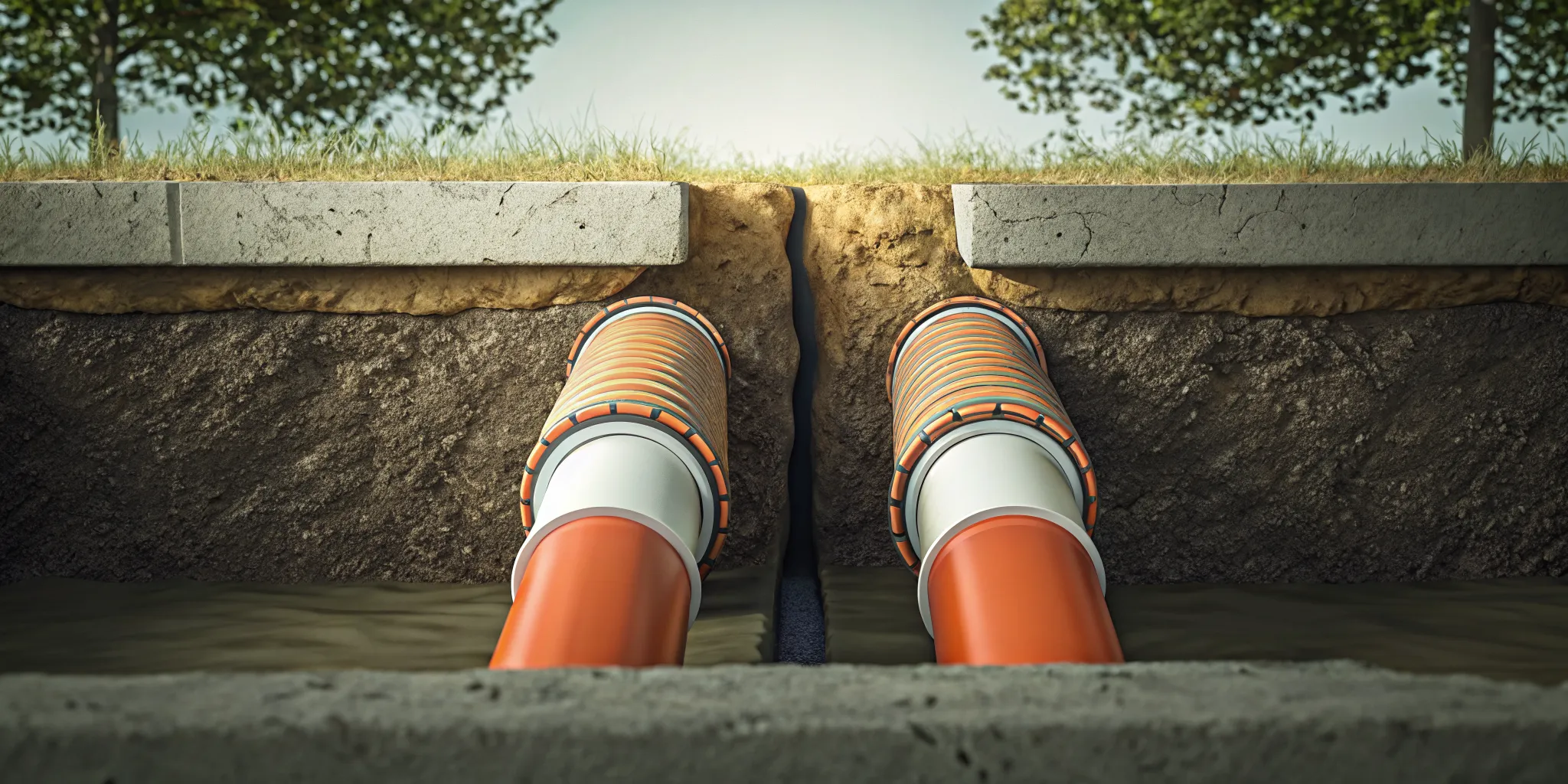
To start, we use a special tool called a hydraulic bursting head. A strong steel wire pulls this metal cone through your old clay or cast iron line. As it moves, the heavy head shatters the worn out pipe and pushes the broken pieces into the soil.
At the same time, the tool pulls a brand new polyethylene pipe right behind it. This new line is highly durable and resists root growth. The EPA technology sheet describes how this system replaces an old pipe by forcing it outward with a bursting tool.
This process uses high-density polyethylene pipe, which is the best material for long-term sewer lines. It has no joints, so tree roots cannot get inside to cause new blockages. Plumbers prefer this strong material because it can last for fifty to one hundred years.
When pipe bursting is the best option
Pipe bursting is often the best choice when a sewer line is severely damaged. While pipe lining requires a solid pipe structure to hold the liner, bursting can fix a collapsed or bellied line. It is also perfect for old pipes that are misshapen or full of heavy root blocks.
Another key benefit of this method is the ability to increase pipe size. Since the bursting head pushes the old pipe into the surrounding soil, it can pull a larger pipe through the space. This means you can upsize your line’s diameter to improve flow, which is something pipe lining cannot do.
Sewer issues like cracks and sagging lines can let groundwater seep into the system. This extra water increases the load on sewer networks and lowers their flow capacity. An EPA sewer report shows that using trenchless sewer repair methods stops this water and protects the system.
Access pits and site requirements
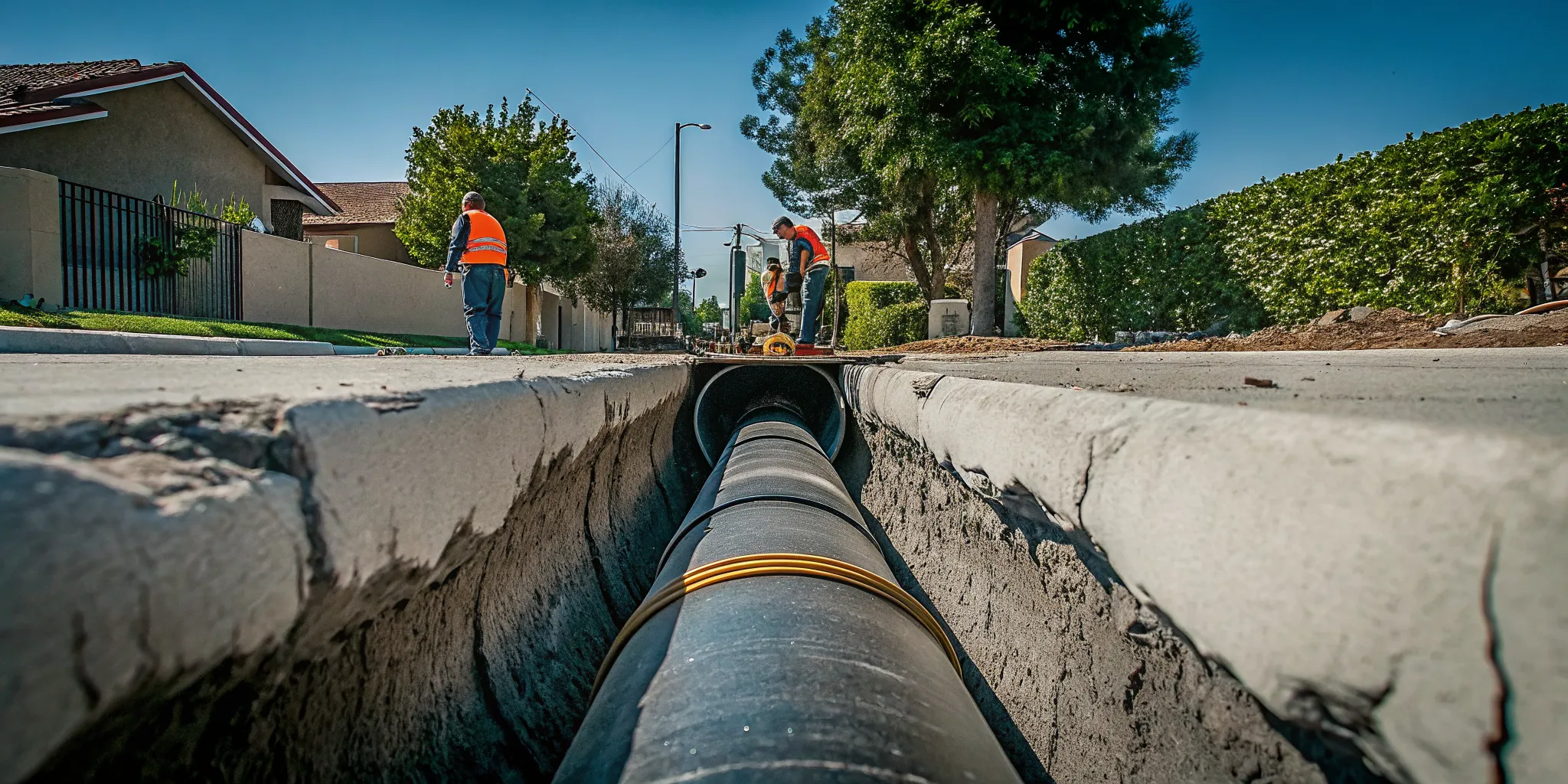
While this technology is trenchless, it does require some minor digging. To run the heavy wire and pull the bursting head, we must dig two small access pits. One pit is at the start of the line, and the other is at the end. Lining often needs only one entry point, while bursting requires pits at both ends.
These small pits are far less disruptive than digging a long trench through your property. They protect your lawn, trees, and patio from large digging tools. This helps keep your repair costs down and ensures a much faster clean up process.
What Is Pipe Lining and When Does It Work Better?
Cured-in-place pipe lining, or CIPP, is a smart way to repair a broken sewer line. Instead of digging up your yard, this trenchless method uses the old pipe as a host for a new liner. According to the EPA, trenchless repair methods cause less damage than old dig-and-replace methods. The process starts when plumbers soak a felt tube with liquid epoxy resin. They pull this tube into the damaged line and inflate it against the walls. The resin cures with hot water or steam to create a strong, jointless pipe within a pipe.
The CIPP Lining Process Explained
Plumbers can complete a standard CIPP project in just one to two days. This process works well with many common pipe types. You can use it to fix pipes made of PVC, clay, or cast iron. Because it needs very little digging, it is a great option for homes with mature trees or nice lawns. Local experts like Conejo Bros Plumbing use these pipe relining services to restore full water flow without ruining your yard.
When Is Lining the Best Choice?
Lining works best when the pipe has some wear but still holds its shape. It is highly effective for fixing cracked pipes and stopping root intrusion. It also seals pinhole leaks and stops internal rust. If you have joint leaks or minor cracks, lining seals these gaps completely. This method helps prevent sanitary sewer overflows that can harm water quality. When evaluating pipe rehabilitation methods like pipe bursting vs pipe lining, lining is best for pipes that are mostly intact.
When Pipe Lining Cannot Work
As useful as CIPP is, it has a few limits. It cannot fix a pipe that has fully collapsed or is badly out of line. Because the liner is soft before it cures, it must follow the shape of the old pipe. If the old pipe has a major dip or a crushed section, the liner will not cure well. In those cases, you will need a different path. Pipe bursting breaks the old pipe and pulls a new one into place. This allows it to fix deep damage where lining would fail.
Key Benefits of Epoxy Pipe Lining
Choosing CIPP lining offers several clear benefits for homeowners:
- Minimal lawn damage: You do not have to dig up your grass, trees, or driveway to replace the pipe.
- Long-lasting results: Many quality epoxy systems come with a ten-year guarantee and are designed to last for fifty years.
- Fast project time: Plumbers can often complete the work in one to two days, so your home life gets back to normal quickly.
- Cost savings: Trenchless repair can save you thousands of dollars by cutting out the need for expensive yard cleanup.
To choose the right option, you should start with a sewer camera inspection. This allows an expert to see the exact state of your sewer line. Once they know if the pipe is still intact, they can suggest the best path. For many local homes, pipe lining offers a clean, fast, and strong fix that protects your home for decades.
Pipe Bursting vs Pipe Lining: Side-by-Side Comparison
When you need a sewer line repair, you must choose the right trenchless method. Both pipe bursting and pipe lining are great choices that save your yard from deep trenches. They are much less messy than old dig-and-replace methods. But they work in other ways and solve other pipe problems.
| Feature | Pipe Bursting | Pipe Lining (CIPP) |
|---|---|---|
| Process | Shatters old pipe and pulls in a new plastic pipe. | Creates a new pipe inside the old pipe with resin. |
| Pipe Condition Needed | Works even if the old pipe is collapsed. | Needs the old pipe to keep its basic shape. |
| Access Requirements | Needs two small access pits at both ends. | Can work from a single access point. |
| Can Upsize Diameter? | Yes, can pull in a larger pipe. | No, the new pipe is slightly smaller. |
| Lifespan | 50 to 100 years. | 50 years or more. |
| Typical Cost (Full Line) | $8,000 to $15,000. | $6,500 to $12,000. |
| Project Duration | 1 to 2 days. | 1 to 3 days. |
| Best For | Collapsed, crushed, or undersized pipes. | Cracked pipes, leaks, or root intrusion. |
How the Methods Work
Pipe bursting is a method that fully replaces your old sewer line. A large metal head is pulled through the old pipe to shatter it. As the head breaks the old pipe, it pulls a new, thick plastic pipe right behind it. This is a great choice if your pipe is collapsed or if you need to pull in a larger line to handle more flow.
On the other hand, pipe lining places a new liner inside the host pipe. Plumbers slide a felt tube soaked in epoxy resin into the line and inflate it. Once the resin cures, it creates a smooth, solid pipe that seals all cracks and stops tree roots from entering. This method is fast and often needs only one access point.
The main tradeoff comes down to how strong the old pipe is. Pipe bursting removes the old line by breaking it apart, which makes it perfect for heavy damage. Pipe lining leaves the old line in place and uses it as a mold, which works well if the pipe is mostly intact but leaking.
Making the Right Choice
Choosing between these two methods depends on the state of your line. You should base your final choice on an expert check of the pipe to find the total damage. If your sewer line is collapsed or crushed, pipe lining will not work. The liner needs a stable host pipe to hold its shape. In that case, pipe bursting is the best way to get a new line without digging up your entire yard.
If your old pipe is still open and has only cracks or tree root issues, pipe lining is often the best path. It requires less digging because it does not need a second exit pit. Both methods will give you a strong, long-term fix that lasts for 50 years or more. A local plumber can run a sewer camera through your line to show you which choice is best.
Cost Difference: Pipe Bursting vs Pipe Lining in Southern California
When your sewer line fails, you want to know the cost of pipe bursting vs pipe lining. Both of these trenchless methods help fix your pipes without ruining your yard. For most homeowners, the choice depends on how much you pay per foot and the total project price. Knowing these numbers helps you make the right choice for your home and your wallet.
Sewer pipe cost per foot
Old-school sewer repair needs a lot of digging and trenching. A government study on sewer systems shows that old dig-and-replace methods cost about $50 to $250 per foot. In comparison, trenchless cured-in-place pipe (CIPP) lining usually runs from $70 to $150 per foot. While the per-foot price for trenchless work can seem higher, it avoids the big bills of digging up your yard. This makes the per-foot cost of trenchless work a smart deal.
Pipe bursting is another great trenchless option. With this method, a crew pulls a brand-new pipe right through your old, damaged line. This process needs some extra gear, but it gives you a whole new sewer pipe. In Southern California, labor and material costs can trend higher, which can affect your final price. But this method still costs less than dig-and-replace work.
Total project price ranges
When you look at the total bill, the cost of trenchless sewer repair is clear. A full CIPP lining project usually ranges from $6,500 to $12,000. Pipe bursting for a full sewer line often costs between $8,000 and $15,000. Both methods are fast, and crews can usually finish the work in one to three days. This means you do not have to pay for weeks of labor.
Several factors can shift these prices up or down. The depth of your sewer line, the number of branches, and the degree of pipe damage all play a role. A professional crew must check your sewer line first to find the best method. This initial check ensures you do not waste money on the wrong repair.
Restoration savings and financing
The biggest savings from trenchless sewer repair come after the pipe is fixed. Traditional digging can destroy your driveway, patio, or yard. Rebuilding those areas can cost thousands of dollars. Since trenchless methods protect your property, they often save you 30% to 50% on total costs. This avoids expensive concrete or landscape repair.
We know that sewer repair is a major expense for any homeowner. To help with these costs, Conejo Bros Plumbing offers flexible financing plans through Greensky and Synchrony. These options help you get your sewer line fixed fast without putting a heavy burden on your household budget. You can choose the plan that best fits your financial needs.
What Your Sewer Camera Inspection Reveals About Which Method You Need
You should not guess which trenchless fix your home needs. An expert sewer camera inspection is the only way to know for sure. During this check, a plumber runs a high-tech video camera down your sewer line. This live feed shows the exact state of your pipes from the inside.
It spots cracks, tree roots, collapsed areas, and misaligned joints. This clear view helps us compare pipe bursting vs pipe lining to find the best fix. If you are buying a home, Conejo Bros Plumbing offers a $450 real estate sewer inspection to check the pipes before you buy.
Sewer video checks
Sewer cameras are a smart tool to check your pipes. These cameras let plumbers see the pipe walls in real time. We do not have to dig up your yard or break your concrete driveways to find leaks. The video feed tells us how much life your pipe has left. It reveals root blockages, cracks, grease build-up, and scale. Our sewer camera inspection guide explains how these video tools find hidden pipe damage.
When lining is the best choice
If the camera shows your pipe is mostly whole, pipe lining is the best path. This lining method creates a new pipe inside your old pipe to restore structural strength. A soft liner soaked in epoxy goes inside the old line and is filled with air. As it cures, it forms a solid new pipe that blocks tree roots. This method works well with PVC, clay, and cast iron, but only if the old pipe has not collapsed.
When bursting is necessary
When pipes are crushed, collapsed, or out of shape, pipe lining will not work. In these cases, pipe bursting is the best fix because it physically replaces the bad line. A steel head breaks the old pipe while pulling a strong new plastic pipe behind it. This sewer rehabilitation technique stops leaks and seals out dirt and water. By replacing the old line, you prevent tree root damage and keep your home safe.
suitable for areas with close utility lines. The EPA notes that these site access needs and equipment requirements are key factors to consider before starting a project.
Ready to Find the Best Trenchless Method for Your Sewer?
Ignoring a clogged sewer pipe can quickly lead to dirty backups, costly yard digging, and bad odors inside your home. Booking a quick check today helps you catch cracks early and fix them in hours using fast and clean trenchless methods. Our local family team will find the exact block in your sewer line so you can protect your beautiful property today.
Call 805-603-1983 today to schedule your sewer camera inspection and get the right trenchless fix for your home.
Frequently Asked Questions
What are the main differences between pipe bursting and pipe lining?
The main difference is whether you get a brand-new pipe or repair your old one. Pipe bursting pulls a new plastic pipe through the old one and shatters it. Pipe lining puts a wet epoxy-filled liner inside your existing pipe and cures it. According to the EPA, these trenchless repair options fix sewer line faults with much less digging and surface damage than old dig-and-replace methods.
When should I choose pipe bursting instead of sewer lining?
You should choose pipe bursting if your sewer pipe is fully collapsed, badly misshapen, or too small for your needs. Unlike lining, bursting can increase your pipe size to handle more flow. According to the EPA, pipe bursting is a highly useful replacement method that physically opens and forces the old pipe outward. This allows a plumber to lay a solid new line even if the old pipe has major structural damage.
What are the problems with CIPP lining?
The main problem with cured-in-place pipe lining is that it cannot fix a sewer line that has already collapsed. Because the wet liner must conform to the shape of your current pipe, any severe bends or collapsed areas will remain. If your sewer line has lost its structural shape, pipe lining will not work. A plumber must use a different trenchless method, like pipe bursting, to replace the damaged line.
What are the limitations of trenchless pipe bursting?
Although pipe bursting avoids long trenches, it is not a completely no-dig solution. Plumbers must dig at least two access pits to insert and retrieve the bursting head. It also needs specialized equipment and is not
