
Epoxy Pipe Coating vs CIPP Lining Comparison: Which Is Best?
A damaged sewer pipe under your yard or driveway no longer means you must dig a deep trench. Modern trenchless repair methods can restore your sewer system quickly without ruining your grass or concrete. Homeowners in Thousand Oaks and Ventura County now have two highly effective options to fix these underground pipe problems from the inside.
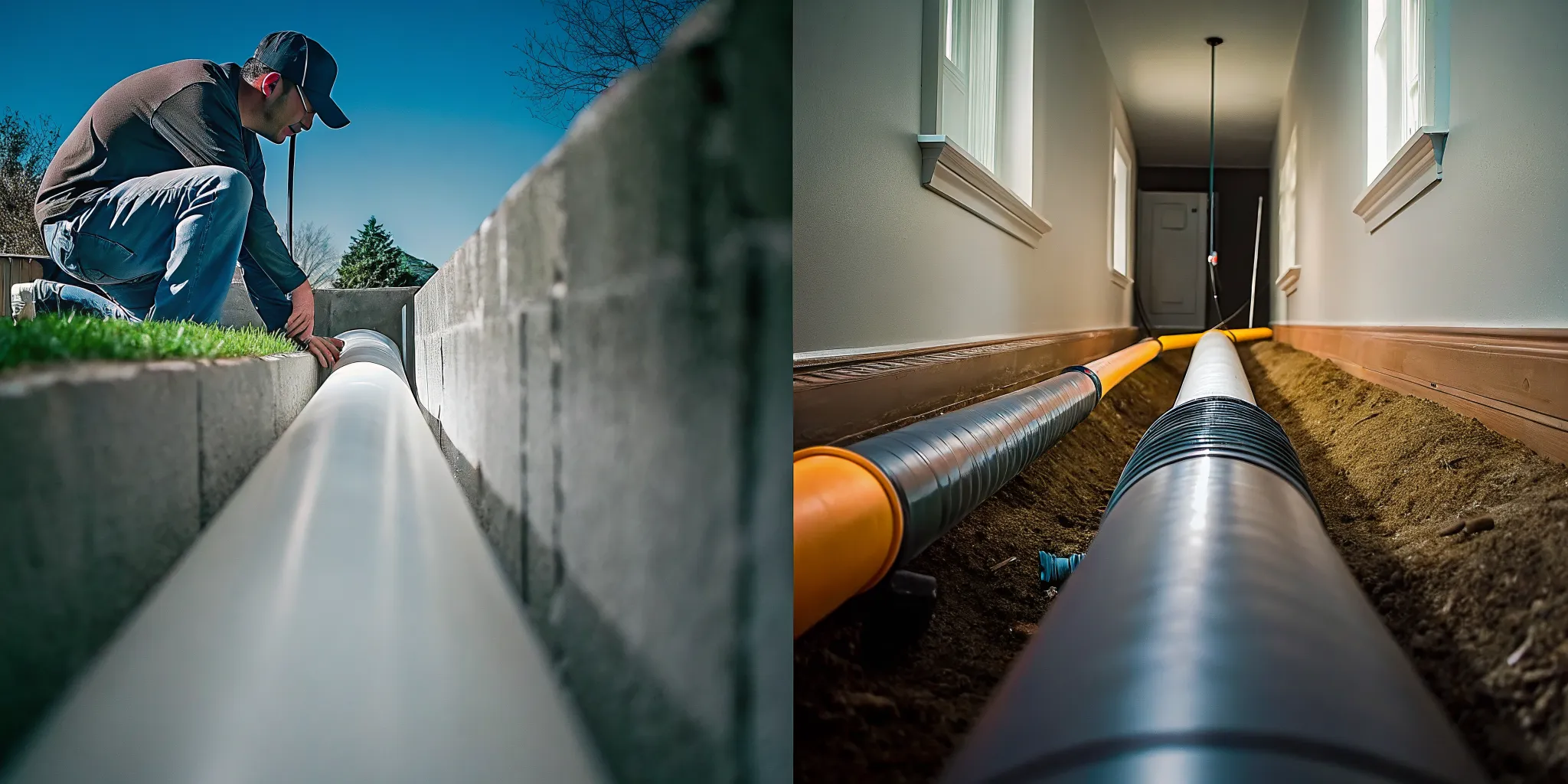
An epoxy pipe coating vs cipp lining comparison shows that both trenchless methods fix underground pipes without digging, but they serve different structural needs. Epoxy pipe coating is a non-structural barrier sprayed inside a pipe to seal pinholes, stop minor leaks, and prevent rust. Cured-in-place pipe (CIPP) lining is a fully structural repair that molds a brand-new. Seamless pipe inside the old one to carry soil and traffic loads even if the host pipe fails. These trenchless repair options avoid major lawn excavation, reduce surface infrastructure damage, and are much faster than old open-cut replacement methods according to research from the Environmental Protection Agency. Deciding between them depends on your pipe diameter, current pipe wear, and whether the line needs real structural reinforcement.
Before choosing a fix, you must know what your specific sewer lines need. You can find out by scheduling a sewer camera inspection Ventura County guide to see the damage firsthand. To help you understand what our technicians look for during an inspection. Let’s look at the first option and answer: What Is Epoxy Pipe Coating and How Does It Work?
Epoxy Pipe Coating Vs Cipp Lining Comparison: What Is Epoxy Pipe Coating and How Does It Work?
When you have a pipe with small leaks or rust, you do not always need to replace the whole line. An epoxy pipe coating is a modern, no-dig way to fix these minor issues from the inside. It works by painting or spraying a liquid resin onto the inner walls of your existing pipes. This liquid then hardens to seal thin spots, pinholes, and tiny cracks without the need to dig up your yard or tear down walls. Since this process does not build a heavy new pipe, it is classified as a non-structural or semi-structural fix.
How the Epoxy Is Applied
To start the process, a plumber must clean the old pipe to remove rust, scale, and dirt. This pipe preparation for lining ensures the resin sticks well to the pipe walls. Once the pipe is dry, the technician uses specialized tools to blow, spray, or brush liquid epoxy through the inside of the pipe. As it cures, it forms a thin, corrosion-resistant coating that seals pinholes, minor leaks, and small defects. According to industry reviews on nuflow.com, this barrier stops water from touching the metal, which keeps the pipe from rusting further.
Ideal Pipe Conditions for Epoxy
This method works best when the host pipe is mostly intact. If a pipe is crushed, broken, or has large gaps, epoxy cannot bridge those empty spaces. It is designed to coat solid surfaces that just have minor wear, pitting, or small holes. If you are dealing with more severe sewer main issues, you will likely need to look at full trenchless sewer repair services instead. Plumbers often use a camera to inspect the line first to make sure the metal or clay is strong enough to hold the new coating.
Key Advantages of Epoxy Coating
One major advantage of this spray-on coating is its ability to navigate tight bends and complex pipe layouts. Because the resin is applied as a liquid or spray, it easily flows around sharp turns in small household lines. It also preserves the diameter of your pipes. Since the cured layer is very thin, it does not restrict water flow or reduce the capacity of your plumbing system. Homeowners and managers like this option because it repairs hard-to-reach leaks with very little hassle or mess.
What Is CIPP Sewer Lining and How Does It Work?
Cured-in-place pipe (CIPP) lining is a structural trenchless method that creates a new, load-bearing pipe within your existing sewer line. It allows you to fix deep sewer issues without the need to dig up your yard or driveways. Unlike some options that only seal small leaks, this method builds a tough, independent pipe inside the old, damaged host shell.
This method works well for home sewer lines, storm drains, and large municipal mains. If you want to see how these systems look before repair, read our sewer camera inspection Ventura County guide. It shows how we find line breaks and plan the best fix. When compared to other trenchless pipe repair methods, CIPP stands out as a fully structural fix. The finished line can carry full soil and traffic loads on its own, even if the old pipe around it has completely failed.
The Step-by-Step CIPP Process
The process starts by cleaning out the damaged pipe to prepare the walls. Next, technicians insert a flexible felt tube or sleeve saturated with liquid epoxy resin. They pull or push this wet liner into the line through a single access point. Once in place, they inflate the tube using air or water pressure to press the wet resin tight against the old pipe walls.
Once the tube is fully inflated, the curing process begins. Installers circulate hot water, steam, or UV light through the tube to activate the resin. This heat or light triggers a chemical reaction that makes the resin harden into a solid plastic pipe. After the resin cures, they cut out the ends and restore any branch line connections with a small robotic tool.
Seamless Design and Pipe Diameters
This repair method works for a wide range of pipe sizes. According to industry guides on CIPP sewer diameters, the process works on pipes ranging from 3 to 60 inches in size. This means the same technology that fixes a small 4-inch home sewer line can also repair a massive city storm main.
One major benefit of CIPP is its seamless, jointless construction. Traditional sewer lines have joints every few feet where roots can get in and water can leak out. By creating a single, continuous tube, CIPP lining reduces joint leaks and stops root intrusion. This jointless design ensures your new line stays clear of blockages for decades.
A Long-Term Fifty-Year Design Life
When you invest in sewer repairs, you want a solution that lasts. CIPP lining offers a durable, long-term fix for old infrastructure. A study published on ResearchGate shows that engineers and utility owners accept that CIPP has a 50-year design life. This ensures that your new sewer line will perform like a brand-new pipe for decades to come.
The final cured pipe resists corrosion, chemicals, and normal wear. It does not rust like cast iron or crack like clay. By restoring the line from the inside, you get the strength of a brand-new pipe with none of the stress or mess of trench digging.
Epoxy Coating vs CIPP Lining: Key Differences at a Glance
When you need to repair home or commercial drain lines, choosing between epoxy pipe coating and cured-in-place pipe (CIPP) lining is a major decision. Both of these trenchless pipe repair methods avoid the mess of digging up your yard. However, they serve very different repair needs. Making the right choice depends on your specific pipe diameter, the current pipe condition, and your structural goals.
Structural Support and Pipe Condition
The primary difference between the two systems is their structural strength. A cured-in-place pipe (CIPP) lining is a fully structural solution. It creates a brand-new, load-bearing pipe inside the old host pipe. This means it can carry heavy soil and traffic loads even if the original pipe has completely failed or collapsed. In contrast, spray-on epoxy is a non-structural or semi-structural coating. It is designed primarily to seal pinholes, minor leaks, and small defects in pipes that are still structurally sound.
Diameter, Access, and Root Resistance
CIPP lining is highly versatile and works on pipes ranging from 3 to 60 inches in diameter. It requires an entry and exit point to pull the liner through, but it cures into a single, seamless, and jointless pipe-within-a-pipe. This lack of joints is ideal for blocking tree root intrusion. Epoxy coating is sprayed or blown through the pipe, making it great for smaller building lines and pipes with many bends. It protects pipe walls from future rust but does not add the same level of protection against shifting soils or aggressive roots.
Direct Comparison of Both Methods
To help you weigh your trenchless pipe repair options, we have summarized the key factors of each method below. Both choices protect your property from yard and driveway damage, which helps keep your total restoration costs low.
| Feature | Epoxy Pipe Coating | CIPP Lining |
|---|---|---|
| Structural Level | Non-structural or semi-structural | Fully structural (load-bearing) |
| Best Host Pipe Condition | Corroded or pitted but mostly intact | Cracked, broken, or missing sections |
| Pipe Diameter Range | Typically small building lines (0.5 to 4 inches) | 3 to 60 inches |
| Access Requirements | Single access point often sufficient | Two access points usually required |
| Root Resistance | Low (does not stop major joint shifts) | High (seamless, jointless design) |
| Primary Use Case | Sealing pinholes and minor leaks | Rebuilding failed sewer and drain lines |
Before any trenchless work begins, proper pipe preparation for lining is required to clear away old scale and debris. If you are dealing with aged pipes, a professional camera inspection will show whether a structural liner or a protective epoxy barrier is the best fit. Both approaches are backed by solid industry research, with CIPP liners boasting an established 50-year design life according to studies published on ResearchGate, while epoxy provides a long-lasting barrier to halt ongoing corrosion.
Which Trenchless Method Is Right for Your Pipe Damage?
Every home and commercial space has a unique drainage setup. When pipes age or break, deciding on a fix requires a clear look at the structural facts. Choosing between spray-on epoxy coating and Cured-in-Place Pipe (CIPP) lining depends on three key things: the size of your pipes. The health of the host pipe, and your overall goals. To get the best results, you need a plan that matches your specific pipe damage to the right tool.
Step 1: Start with a sewer camera inspection
You cannot guess what is happening underground. A visual check of the pipe interior is the only way to see if you have minor wear, small cracks, or a major collapse. The Environmental Protection Agency (EPA) outlines how specialized pipe checks help find precise defects and prevent wider damage. To start this process, you should schedule a professional sewer camera inspection Ventura County guide. A technician will run a camera through your sewer line to map out the blockages, tree roots, or corrosion before any work begins.
Step 2: Check if the pipe is structurally sound or failing
Once you have a clear video view, you must check the strength of the host pipe. If your clay, cast iron, or plastic pipe has lost its shape or collapsed, spray-on epoxy is not an option. Epoxy is a non-structural or semi-structural barrier that seals leaks but cannot carry heavy soil or traffic loads. For a pipe that is failing or structurally weak, you will need CIPP lining. According to research on CIPP lining vs spray-on epoxy, a properly engineered CIPP liner can carry those heavy outdoor loads even if the original host pipe completely fails over time.
Step 3: Evaluate diameter and layout complexity
Pipe size and layout play a massive role in selecting your repair. CIPP lining is incredibly versatile and works well on pipe diameters ranging from 3 to 60 inches. However, very tight bends, multiple branches, or small-diameter copper lines in high-rise buildings can be difficult for standard CIPP sleeves to navigate. Spray-on epoxy coatings can easily coat small-diameter copper water pipes, vertical drains, and complex branches where a fabric liner might bunch up or block key junctions. Knowing these physical limits helps you avoid installation failures.
Step 4: Match damage type to the correct method
Now you can compare your specific pipe issues against the strengths of each method. Use this quick guide to make your final choice:
- Cracks, broken joints, and offset pipes: These issues need the structural strength of a jointless CIPP liner to seal out roots and hold the pipe shape.
- Corrosion, pinholes, and minor wear: If your pipe is whole but suffers from thin walls or pitting, a thin layer of epoxy will stop leaks and prevent future rust.
By assessing these variables, you can select the most durable trenchless pipe repair methods for your property, ensuring a fix that stands up to decades of daily use.
Cost Comparison: Epoxy Coating vs CIPP Lining in Ventura County
When sewer or drain lines fail, homeowners in Thousand Oaks and Ventura County must weigh their budget against the best fix. Traditional open-cut pipe replacement is often the first thing people think of, but it is slow and highly disruptive. Newer trenchless methods are great choices compared to open-cut work because they lower both the overall project cost and the impact on your property. By avoiding deep trenches, you save on the price of replacing your grass, driveway, or patio after the plumbing work is done.
The Savings of Trenchless Methods
Many home sewer pipes in Southern California were put in forty to fifty years ago and have now reached the end of their useful life. A study published in Frontiers in Water shows that preexisting pipes of this age need renewal, and trenchless solutions offer excellent value. Choosing these advanced repair paths saves money by cutting out heavy machine labor and reducing cleanup costs. Instead of paying to rebuild your yard, you invest only in the pipe itself.
Upfront Epoxy Costs vs CIPP Value
If you compare the two main trenchless choices, epoxy coating often has a lower upfront cost. This method sprays a thin layer inside the pipe to seal small holes, which works well if the old pipe is mostly whole. However, cured-in-place pipe (CIPP) lining offers better long-term value. While CIPP can cost more at the start, it creates a new structural pipe inside the old one with a fifty-year design life. This makes CIPP a more durable choice for weak pipes that cannot support soil loads on their own.
Local Pricing Factors in Ventura County
Your actual price in Ventura County depends on a few clear factors. The length of the damaged line, the diameter of the pipe, and how easy it is to reach the access points all shape the final bid. Preparing the lines also adds to the cost, as older pipes often need scale and roots cleared out first. To see what fits your home, you can review your trenchless pipe repair options to find the best match for your system and budget.
How Long Do Epoxy Coating and CIPP Lining Last?
When you invest in trenchless sewer repair, you want to know how long the fix will last. The expected service life of these two methods differs based on their design. Cured-in-place pipe (CIPP) lining is highly durable. In fact, utility owners and engineers generally accept that CIPP has a 50-year design life based on long-term performance studies.
On the other hand, the lifespan of spray-on epoxy pipe coating is shorter. It usually lasts between 10 and 25 years. This range is because epoxy is a non-structural barrier. It seals small leaks but does not replace the strength of the host pipe. If you want to compare how these materials fit your home, check out our guide on trenchless pipe repair methods to see how they perform over time.
Key Factors That Affect Trenchless Lifespan
How long your new pipe lasts depends on several local factors. The first is pipe preparation. Before applying any coating or liner, a plumber must clean the old line. This process often includes pipe preparation for lining to remove rust, roots, and scale. If the crew does not clean the pipe well, the epoxy or CIPP liner will not bond to the host pipe wall. This can cause early failure.
Water chemistry and usage also play big roles. Harsh chemical drain cleaners can wear down thin epoxy coatings over time. For CIPP liners, the jointless and seamless design helps prevent root intrusion. Roots often find tiny gaps in pipe joints, but a jointless CIPP liner leaves no gaps for roots to enter. This seamless build is a main reason why CIPP stands up so well to decades of heavy use in Southern California yards.
Frequently Asked Questions
What are the disadvantages of CIPP lining?
While cured-in-place pipe lining is highly durable, it is not suitable for pipes with severe structural collapses or major back grades. It also requires a slightly larger pipe entry point than epoxy coatings. Additionally, during the curing process, it can temporarily produce chemical odors that require proper ventilation.
How long does epoxy pipe lining last?
According to research on EPA database studies, high-quality pipe coatings and linings are engineered for a long service life. While CIPP has an established fifty-year design life, a professionally applied epoxy coating can easily last thirty to fifty years under normal residential use.
Which is cheaper between epoxy coating and CIPP lining?
Epoxy coating is generally less expensive than structural CIPP lining because it uses less material and is non-structural. However, academic research published on Frontiers in Water shows both trenchless methods are far more cost-effective than traditional open-cut excavation, which requires costly yard and driveway repairs.
Can epoxy pipe coating fix structural pipe damage?
No, epoxy coating is a non-structural solution designed to seal pinhole leaks, minor cracks, and corrosion. If your pipe has major cracks, structural breaks, or missing sections, a fully structural solution like CIPP lining is needed to carry the soil and traffic loads.
Ready to choose the right trenchless pipe repair?
Delaying sewer pipe repair risks major water damage, mold growth, and high cleanup costs in your home. A damaged sewer line will only get worse, leading to complete blockages or raw sewage backups that ruin your property. Acting now prevents these costly emergencies and restores reliable sewer flow with minimal disruption to your daily life.
Ready to schedule a sewer camera inspection and trenchless repair consultation in Ventura County? Call 805-603-1983 to speak with our local experts today.
