
Toilet Keeps Backing Up Thousand Oaks: Warning Signs
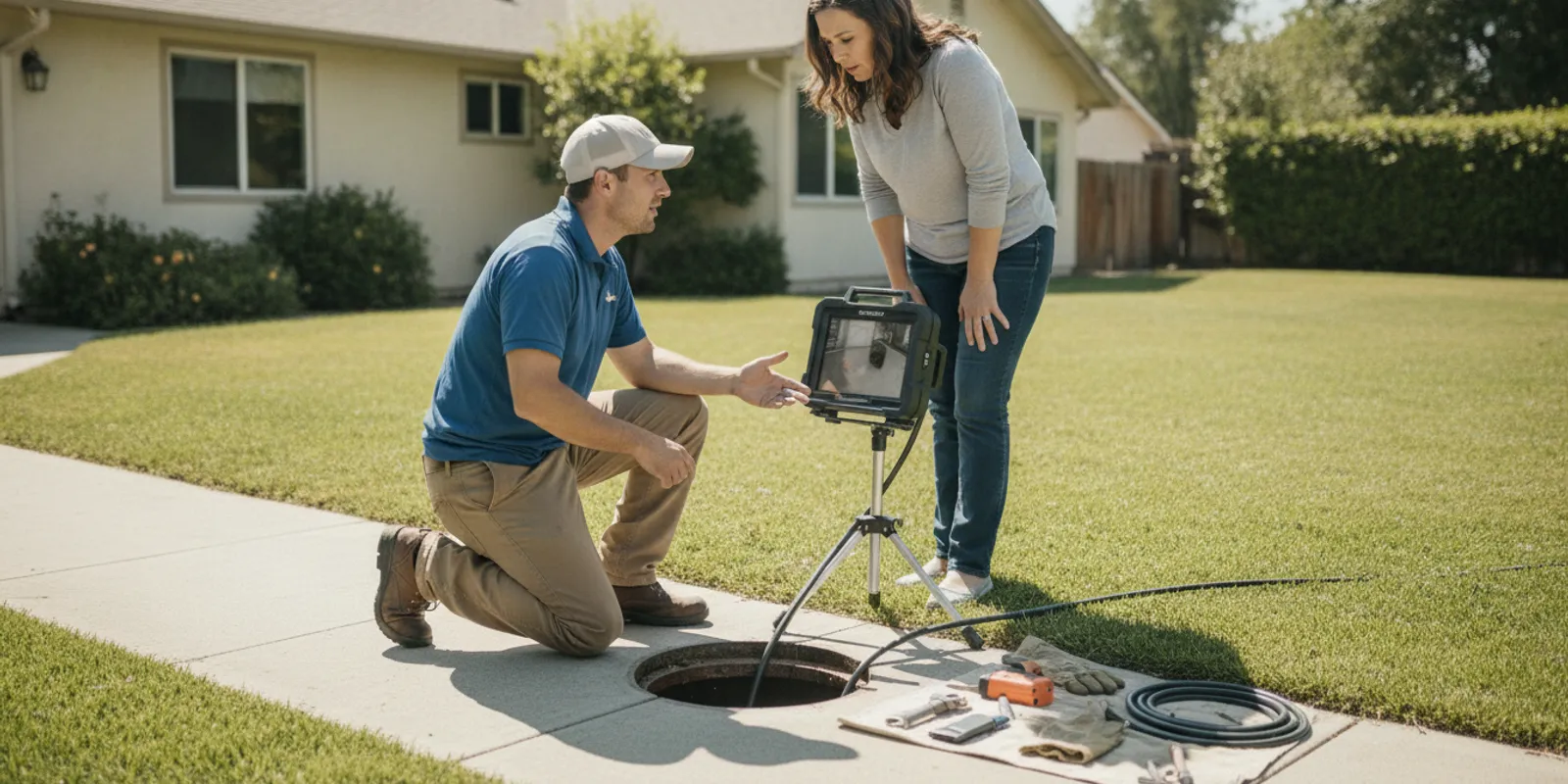
When a toilet keeps backing up Thousand Oaks homeowners often find the same stoppage coming back after a plunger seems to work. It is usually not a new accident. One bowl can hide a tight trap, a branch-line restriction, a main sewer clog, roots, or a damaged pipe. The timing, the other fixtures, and what happens after the water drops tell you which one is more likely. Conejo Bros Plumbing sees this pattern across Thousand Oaks and the rest of the Conejo Valley. The first useful step is a clear record of the pattern, not another chemical pour.
Request recurring-backup help today
When a Toilet Keeps Backing Up in Thousand Oaks, Start With the Pattern
Write down more than how many times you plunged. Note whether the water rises after one flush, after showers and laundry, or on a quiet day when almost no water is running. Also note whether it drains slowly, sits high, or looks clear and then returns.
A toilet that backs up while the nearby sink, shower, and tub still drain can be a local trap or a short branch. Short-lived relief from a plunger or a closet auger means the restriction may sit farther down the line. A professional drain clearing service can start at that fixture and test whether the stoppage is local or shared.
Clues that the problem may be local
- The same toilet is the only fixture that misbehaves.
- It backs up right after a flush, with no gurgle from other drains.
- It started after something was dropped in the bowl, or after a new fixture was set.
- One careful clearing restores flow, and other fixtures do not bring the water back.
Clues that the problem is in the branch line
- The toilet and a nearby tub, shower, or sink slow down together.
- Running one fixture makes another gurgle or rise.
- The backup returns after showers, laundry, or a dishwasher cycle.
- Clearing the bowl helps for a little while, then the same pattern returns.
Those two lists are a sorting tool, not a diagnosis. A local clue can still lead to a farther restriction if the branch joins the main close to the toilet. A branch-line clue can also be a partial main-line stoppage that has not reached every fixture yet. Keep the notes, then stop adding water while you decide the next step.
When a Toilet Keeps Backing Up in Thousand Oaks, the Sewer Line May Be the Cause
The picture changes when more than the toilet is involved. It also changes when wastewater shows up at the lowest drain. The restriction may then sit in the building drain, the private sewer lateral, or a connection near the public main. A sewer line evaluation and repair service can separate a simple clearing job from a pipe-condition problem.
Possible causes include debris, wipes, grease in a shared line, roots at a joint, a shifted connection, a sag that holds solids, or a broken section. None of those can be confirmed from the bowl. Forcing more water through a suspected restriction can turn a slow drain into an indoor overflow.
Thousand Oaks homes on older laterals often show the problem as a repeat toilet first, because the toilet is the fixture with the largest sudden flow. A sink can still drain while the toilet cannot push a full flush past a narrowed spot. That is why "the other drains seem fine" does not rule out the sewer.
| What you notice | What it may suggest | Useful next step |
|---|---|---|
| Only one toilet is affected, and other fixtures drain normally. | This may be a toilet trap or a nearby branch restriction. | Stop repeat plunging if it returns, and have the fixture and branch checked. |
| The toilet and a nearby shower or tub back up together. | This may be a branch drain or building-drain restriction. | Limit water use, and ask for clearing that includes the connected fixtures. |
| Several fixtures back up, especially at a low drain. | This may be the main building drain or the private sewer lateral. | Stop flushing, and keep appliances off until the line is assessed. |
| The backup returns after a short-term clearing. | This may be debris, roots, a deformed pipe, or damage. | Ask whether a camera inspection fits once flow is restored. |
| Gurgling, wet spots, odors, and slow drains happen together. | This may be a sewer-line condition or a bad connection. | Write down the symptoms, and schedule a targeted sewer evaluation. |
If several fixtures are already backing up at the same time, follow the first-response steps in the guide to multiple drains backing up in Thousand Oaks. That page covers the shared-line emergency. This one stays with the toilet that keeps coming back.
Warning Signs That a Toilet Clog May Be a Sewer-Line Problem
One repeat clog is a clue. A cluster of clues is more useful. Watch for these around the same stretch of days:
- Several fixtures react together. A toilet, tub, floor drain, and sink can answer to the same restriction.
- Gurgling or air movement. Air shifts through the system when water is trying to pass a partial blockage.
- The lowest fixture takes the hit. Wastewater shows up first where the system has the least elevation.
- Clearing does not hold. A temporary opening can leave a narrow passage that collects more material.
- Odor or damp ground stays with the indoor trouble. Either sign can have another cause, but together they deserve a look.
- The line is older or has been repaired before. Pipe age and old connections change the repair path. A related guide on cast iron sewer pipe problems in Ventura County homes explains why condition matters.
Do not treat that list as proof you need a new sewer. It is a reason to stop guessing from the bowl and to ask for a look at the line. A one-time object in the trap still belongs on the local side of the table above.
Why Camera Inspection Can Matter After a Recurring Backup
Clearing can restore flow without explaining the return. A camera can show the inside of an accessible line: leftover debris, roots, an open joint, a belly, scale, or a broken section. The footage is most useful when it is tied to the cleanout, the fixtures that failed, and the notes you made before the visit.
A camera is not automatic for a one-time toilet clog. It is more reasonable when the same problem returns, more than one fixture is involved, the line has a repair history, or a clearing exposes a repeat obstruction. Homeowners can review the company's sewer camera inspection service before the visit so they know what a full run and a findings summary include.
If the video shows a low section rather than a simple plug, the repair talk is different from a root mass or a bad joint. The guide to sewer pipe sag repair and sewer line bellies covers why a camera finding should be read with the flow pattern and the pipe's location.
Whole-home main-line causes, jetting choices, and trenchless options stay on the main sewer line clog Thousand Oaks page. That page is the right place once several fixtures are clearly on the same restriction.
What to Do Before Help Arrives
- Stop flushing the affected toilet. If other fixtures are involved, pause showers, laundry, and the dishwasher until the cause is clearer.
- Keep people and pets away from wastewater. Do not touch sewage without protection, and do not mix cleaners.
- Protect the room if you can do it safely. Move items off the overflow path, and keep electrical hazards in mind.
- Record the pattern. Note which fixtures fail, when the water returns, and whether other water use triggers it.
- Do not keep raising the pressure. Repeat chemical treatments and aggressive tools add risk and can hide what the line is doing.
For a one-fixture clog that has not come back, the safe first steps live in how to clear a blocked drain at home. Once the same toilet has returned, those steps are no longer the plan. Stop and get the pattern checked.
For general safety context, Seattle Public Utilities' sewer-backup guidance says to stop exposure, limit water use, call a plumber, and clean contaminated areas promptly. Local rules differ, so use that page as a safety reference, not as Thousand Oaks procedure.
When a Thousand Oaks Backup May Involve Public Works
Most of these visits start on the property. A finding can still raise a question about the street lateral or a public connection. Conejo Bros Plumbing's public-works specialists help owners think through city coordination when a larger project is in play. That includes DWP and city public works, street-lateral replacement, and traffic control. It also includes City planning and permits, septic-to-city-sewer rerouting, and pre-construction plumbing bids. A city or utility look may be needed when the suspected problem is past the private line. Who is responsible depends on the location and the local rules.
A backup does not by itself mean the city main is blocked, and it does not by itself mean the lateral must be replaced. Confirm the segment, the access, and the pipe condition first. That keeps a repeat toilet problem from turning into an unnecessary dig or a repair that misses the real spot.
If the home is still on a septic system, a repeat toilet backup can also be a tank or drain-field issue rather than a city lateral. Say so when you call. The visit and the questions change when the property is not on city sewer. Conejo Bros handles septic work across the cities it serves, not only in Thousand Oaks, and the technician needs that detail before recommending a camera or a clearing.
How a Professional Visit Can Narrow the Cause
A useful visit connects the symptom to the layout instead of treating the toilet alone. The technician may ask when it started, check nearby fixtures, and find an accessible cleanout. They may clear the restriction if that is appropriate, and recommend a camera when the pattern supports it. The next step might be drain clearing, a targeted repair, root management, or a broader sewer plan.
Homeowners can compare that conversation with the language in this sewer line cleaning and repair options guide. Ask what was seen, where it was seen, what is still unknown, and what would make the problem return. If a main-line stoppage is confirmed and an accessible cleanout is part of the visit, ask how the company's main-line offer applies before you approve extra work. The public offer is not a promise about every toilet clog.
Conejo Bros Plumbing is based at 1386 Del Verde Ct in Thousand Oaks. The crew serves homeowners, property managers, businesses, and real estate customers across the Conejo Valley and Ventura County. The company is a licensed California contractor, CSLB #1108756, with an A license and a C-42 license. Financing conversations, when they come up, are limited to GreenSky and Synchrony. None of that replaces the fixture notes. The notes are what let a crew tell a local toilet trap from a line that needs a camera.
Request a recurring toilet-backup evaluation before the next overflow
Frequently Asked Questions
Why does my toilet keep backing up when the other fixtures seem fine?
The restriction may be in the toilet trap or a nearby branch rather than the main sewer. If it returns after a proper clearing, the spot may be farther downstream than the bowl. Which fixtures react, and whether other water use brings the water back, are the useful clues.
Does a recurring toilet clog mean I need sewer replacement?
No. A repeat clog can come from debris, roots, scale, a low section, a damaged connection, or a local branch restriction. Clearing and inspection should name the cause before anyone talks about replacement.
Can tree roots cause a toilet to back up repeatedly?
Roots can enter some joints or defects and slow the flow, but a repeat backup does not prove roots. A camera can show whether roots are there, where they sit, and whether the pipe has another condition that needs attention.
When is a sewer camera inspection appropriate?
Bring it up when a backup returns after clearing, or when several fixtures are involved. It also helps if the line has a repair history, or if the next decision depends on the pipe's condition and location. A camera is less useful before flow is restored, or when the affected section cannot be reached.
What should I do if wastewater comes up through a toilet or drain?
Stop using water, keep children and pets away, and avoid contact with the wastewater. Watch for electrical hazards and call for a professional diagnosis. Do not mix bleach with other cleaners, and do not assume one more flush will clear a main-line restriction.
Book a Thousand Oaks sewer and drain assessment now
A toilet that keeps returning is a reason to read the pattern, not a reason to panic. Fixture notes, cleanout access, and a camera when the pattern calls for it move the decision off guesswork and onto the actual line.