


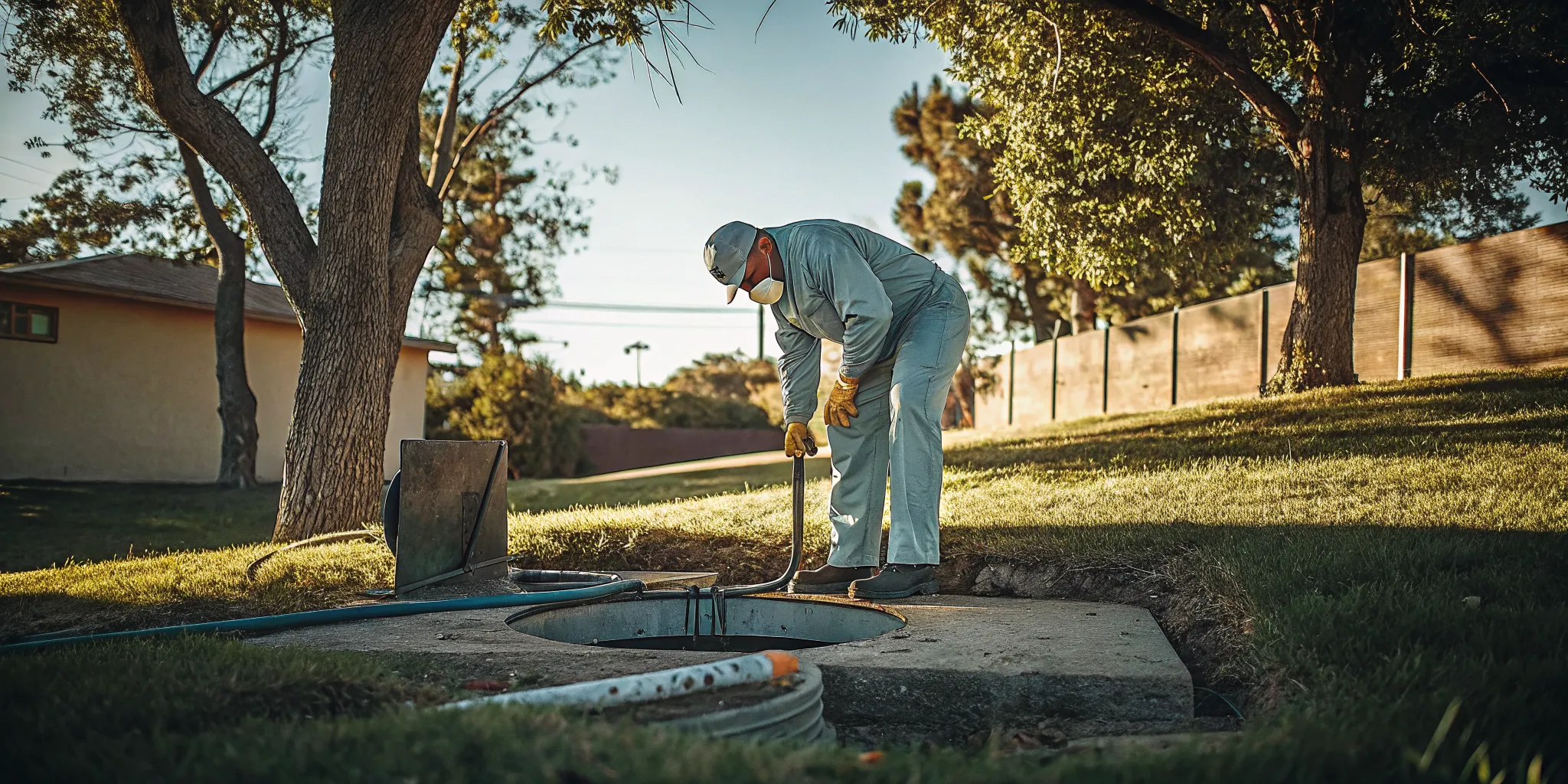
How Often Pump Septic Tank Ventura County: Complete Homeowner Guide
A septic tank rarely gives you much warning before a routine maintenance issue becomes a messy, expensive problem. In Ventura County, a practical schedule starts with your household’s water use, tank size, and the amount of solids entering the system, not just the calendar.
Need a septic pump-out now? Check our pricing or contact us to schedule service today.
The EPA says the average household septic system should be inspected at least every three years and tanks are typically pumped every three to five years. For homeowners asking how often pump septic tank ventura county, that range is a useful starting point. But larger households, smaller tanks, and heavier water use may require more frequent service.
Regular professional maintenance helps keep solids out of the drain field and can prevent costly failures. The sections below explain how to set a schedule for your property, recognize signs that you should not wait, and understand local service costs. If you have an urgent backup or sewage concern, Conejo Bros Plumbing is available 24/7 for emergency help.
How Often Pump Septic Tank Ventura County Homeowners Should Service
For most Ventura County households, a good starting point is a professional inspection at least every three years and septic tank pumping every three to five years. That is the general guidance from the U.S. Environmental Protection Agency, but your household’s actual schedule may be shorter or longer. Tank size, the number of people in the home, water usage, and the amount of solids entering the system all matter.
For example, a family of four using a 1,000-gallon tank will commonly need pumping every two to three years. A couple with the same tank may be able to go up to five years when water use is low and the home does not use a garbage disposal. These examples are planning guidelines, not a substitute for an inspection. A professional can check the tank’s sludge and scum levels and recommend a schedule based on its condition.
| Household example | Typical pumping interval | What can change the schedule |
|---|---|---|
| Family of four, 1,000-gallon tank | Every 2 to 3 years | Higher water use or more solids may require earlier service |
| Couple, 1,000-gallon tank, low water use | Up to every 5 years | A garbage disposal or heavier use may shorten the interval |
| Average household | Typically every 3 to 5 years | Tank size, household size, wastewater, and solids volume matter |
Do not wait for a calendar reminder if you notice slow drains, sewage odors, or pooling water near the drain field. Those signs can indicate that the tank needs attention sooner. Regular pumping helps keep solids from moving into the drain field, where they can contribute to system failure and costly repairs.
For more local planning guidance, review our septic tank service in Ventura County guide. If you do not know when the tank was last serviced, scheduling an inspection is a practical first step.
Sources: U.S. EPA septic system care guidance; household examples are based on septic service reference data.
Factors That Affect Your Pumping Schedule in Ventura County
There is no single calendar that fits every septic system. The U.S. Environmental Protection Agency identifies four primary factors: household size, total wastewater generated, the volume of solids in the wastewater, and septic tank size. Those variables matter in every community, but they can look different from one Ventura County property to the next.
Household size and daily water use
A larger household generally sends more wastewater into the tank and fills its limited capacity faster. A home with two residents in Thousand Oaks may have a very different schedule from a busy Moorpark household with children, frequent guests, or multiple occupants. The number of people matters, but habits matter too. Long showers, frequent laundry, running toilets, and other high-water-use fixtures can shorten the interval between pump-outs.
Solids from garbage disposals and wastewater
Septic tanks separate solids from liquid, but the tank can only store so much sludge and scum before service is needed. Garbage disposals add food particles and other solids to the wastewater stream, which may increase how quickly the tank accumulates material. If your home uses a disposal regularly, tell your septic professional rather than relying on a schedule based on household size alone. Grease, wipes, and other inappropriate materials can also create problems and should not be flushed.
Tank size and property-specific conditions
A larger tank may provide more capacity, while a smaller tank serving the same number of people may need attention sooner. The tank size should be considered alongside occupancy and water use, not treated as a guarantee of a particular interval. If you do not know your tank size, a professional can help identify it during an inspection.
Ventura County soil and water patterns
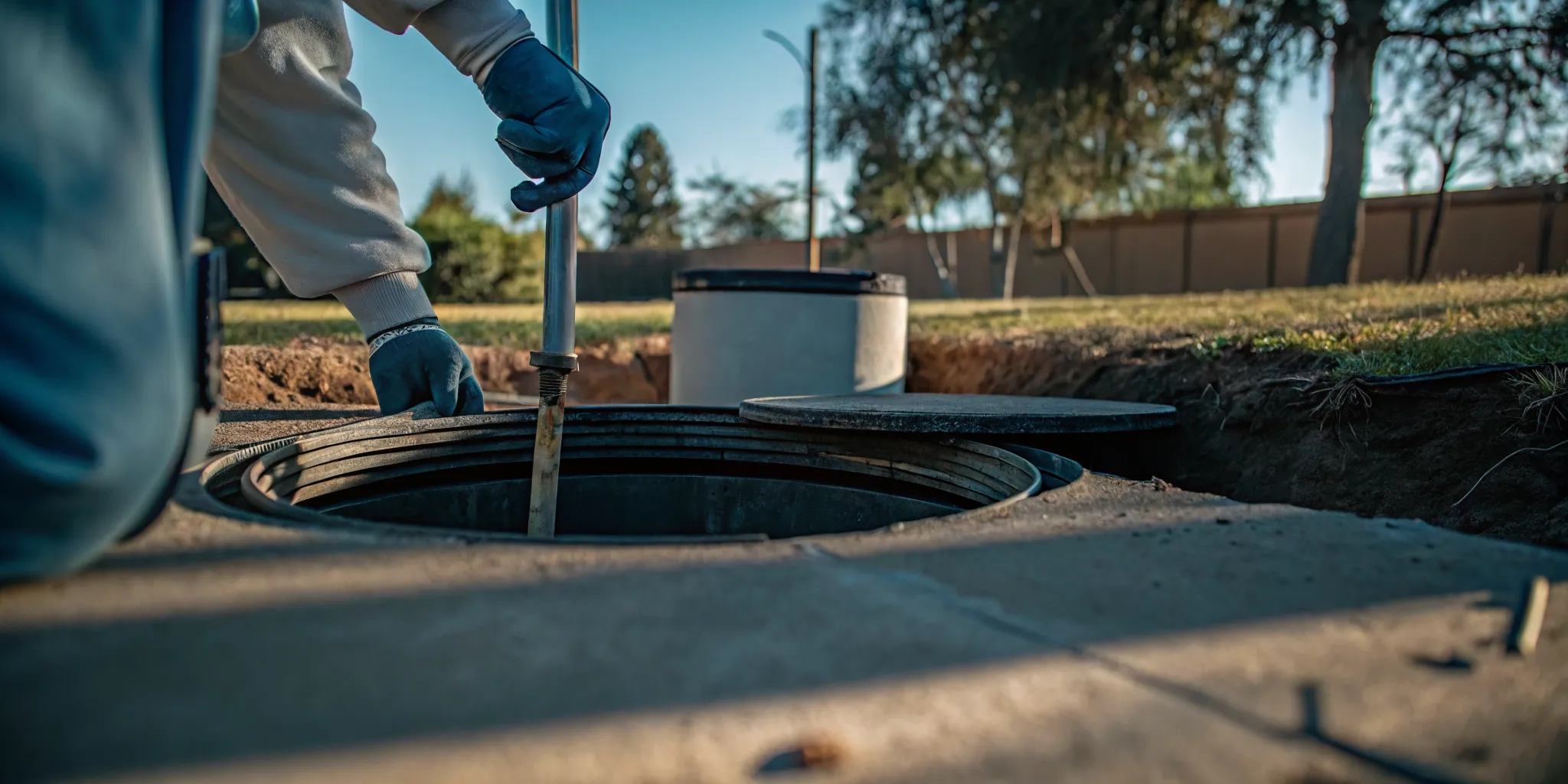
Local property conditions deserve attention. Clay-heavy soils found in parts of the Conejo Valley can drain differently from more permeable soils. So the condition and performance of the drain field should be part of a maintenance conversation. Pool backwashing can also send a large volume of water toward the septic system or drain field, depending on how the property is configured. Ask a professional whether that discharge is appropriate for your system.
Use the EPA factors as a starting point, then adjust based on your household and property. A septic inspection can help establish a practical schedule instead of waiting for slow drains, odors, or pooling water. The EPA’s septic care guidance recommends professional inspections at least every three years.
Signs Your Septic Tank Needs Pumping Now (Don’t Wait)
A full or overloaded septic tank can affect the entire plumbing system, not just one drain. Watch for these warning signs, especially when several appear together:
- Slow drains throughout the house. One slow sink may have a local blockage, but toilets, showers, tubs. And sinks draining slowly at the same time can point to a septic tank that is nearing capacity or a larger system problem.
- Gurgling sounds in the plumbing. Bubbling or gurgling after flushing a toilet, running a washer, or draining a bathtub may mean wastewater and air are struggling to move through the septic system. Do not dismiss persistent sounds as normal house settling.
- Sewage odors in the yard. A sewage smell near the tank, access cover, or drain field can indicate that wastewater is not being contained or treated properly. Avoid opening the tank yourself. A qualified septic professional can inspect the system safely.
- Pooling water over the drain field. Standing water, soggy soil, or unusually wet areas over the drain field are urgent signs. They may indicate that the soil cannot absorb wastewater as it should, or that solids have begun moving where they do not belong.
- Unusually lush green grass over the septic area. A narrow patch of greener, faster-growing grass can result from extra moisture or nutrients reaching the soil. On its own, it does not confirm a full tank, but combined with odors, slow drains, or pooling water, it deserves prompt evaluation.
What the EPA says about pumping
Visible warning signs are not the only standard. The U.S. Environmental Protection Agency says a septic tank should be pumped when the bottom of the scum layer is within six inches of the outlet. The top of the sludge layer is within 12 inches of the outlet, or sludge and scum make up more than 25% of the liquid depth. A professional inspection can measure these layers instead of relying on guesswork. See the EPA septic system care guidance for the full criteria.
Acting early can also protect your budget. Conejo Bros Plumbing’s septic pumping service is $450, while a failed drain field can cost approximately $5,000 to $10,000 to repair. If you have pooling, odors, or multiple slow drains, request emergency septic tank pumping. For routine service, schedule septic tank pumping in Thousand Oaks before a small warning becomes a wastewater emergency. Conejo Bros Plumbing is available 24/7 for urgent septic concerns in the Conejo Valley and Ventura County.
How Much Does Septic Tank Pumping Cost in Ventura County?
For Ventura County homeowners, septic pumping usually costs less than waiting for a system failure. Industry pricing commonly falls between $300 and $700, depending on tank access, location, tank size, and the condition of the system. A failed drain field can require approximately $5,000 to $10,000 in repairs. So routine service is a practical way to protect your property and avoid a much larger expense.
Conejo Bros Plumbing charges $450 for septic tank pumping and $350 for a septic tank inspection. An inspection can be useful when you are buying or selling a property. Cannot confirm when the tank was last serviced, or need a professional assessment before deciding whether pumping is necessary. You can review Conejo Bros Plumbing pricing or request an estimate based on your property’s access and system layout.
What the service cost should include
Before scheduling, ask what is included in the quoted price. The technician should be able to explain the service scope, identify the tank location, and note any access or maintenance concerns. Pumping removes accumulated solids, but it does not automatically repair damaged pipes, a saturated drain field, or another underlying problem. If your symptoms point to a blockage rather than a full tank, a separate diagnostic service may be more appropriate.
Conejo Bros also includes a camera inspection at no additional charge when it is bundled with a paid drain cleaning service. That offer applies to drain-cleaning work, not as a substitute for a septic tank inspection. But it can help clarify the cause of drainage problems when both services are relevant. For local maintenance and repair guidance, see this resource on septic tank repair in Thousand Oaks.
Cost should be considered alongside timing. If you are unsure how often to pump a septic tank in Ventura County. A professional inspection can help establish a maintenance schedule based on your household and system rather than relying on a guess.
How to Find Out When Your Septic Tank Was Last Pumped
If you’re trying to determine how often pump septic tank Ventura County homeowners should, start by finding the system’s actual maintenance history. A reliable last-pumping date helps you plan service instead of waiting for slow drains, odors, or a backup.
Check county and property records
Contact Ventura County Environmental Health to ask whether records are available for your address. Older properties may have incomplete files, and records can vary by installation history, ownership, or the type of work performed. During a sale, ask the previous owner, real estate agent, or escrow contact for invoices, inspection reports, and disclosures that mention septic pumping.
Look for markings, but don’t open the tank yourself
A service provider may find a date written on or near an access riser, lid, or service record attached to the tank. Treat any marking as a clue, not proof. Never remove a septic lid, climb into an access opening, or lean over an open tank. Septic tanks can contain toxic gases, and an unsecured lid creates a serious fall hazard. Have a qualified professional locate and inspect the access points.
Use level measurements when the history is missing
When paperwork and markings are unavailable, a septic professional can inspect the tank and measure the sludge and scum layers. The EPA says pumping is needed when the scum is within six inches of the outlet. The sludge is within 12 inches, or sludge and scum exceed 25 percent of the liquid depth. Review the EPA’s septic maintenance guidance for the full criteria.
That measurement gives you a current maintenance decision even when you cannot establish the previous pump-out date. For help locating the tank or arranging an inspection, see our septic tank repair in Thousand Oaks service information.
Frequently Asked Questions
How often should you pump a septic tank in Ventura County?
Most households should plan on pumping every three to five years, while arranging a professional inspection at least every three years. Your actual schedule may be shorter or longer depending on tank size, household size, wastewater volume, and solids accumulation. The U.S. Environmental Protection Agency recommends using those conditions rather than relying on a calendar alone.
What factors can shorten the time between septic pump-outs?
A larger household, heavy water use, a smaller tank, and greater solids production can all require more frequent service. Frequent laundry, long showers, leaking fixtures, and garbage-disposal use may add wastewater or solids. If you recently added household members or are unsure of the tank capacity, ask a septic professional to review the system before setting a long-term schedule.
What are the signs that a septic tank needs pumping now?
Slow drains, gurgling, sewage odors near the tank or drain field, sewage backups, and pooling water are warning signs that should not be ignored. A professional inspection can also measure the scum and sludge layers. The EPA says pumping is needed when the scum or sludge reaches specified levels, including scum within six inches or sludge within 12 inches of the outlet (EPA guidance).
What should I do if there is a septic emergency?
Limit water use, keep people and pets away from standing wastewater, and contact a qualified septic service provider. Do not open the tank or attempt to pump it yourself. Conejo Bros Plumbing offers 24/7 emergency availability for Ventura County homeowners who need prompt help diagnosing or addressing septic problems.
Ready to schedule your septic pump-out?
A professional pump-out can help you stay ahead of buildup and keep your septic system on a sensible maintenance schedule. Conejo Bros Plumbing can help Ventura County homeowners plan the next step based on their property and system needs. To schedule your septic tank pump-out, schedule your pump-out online.
