


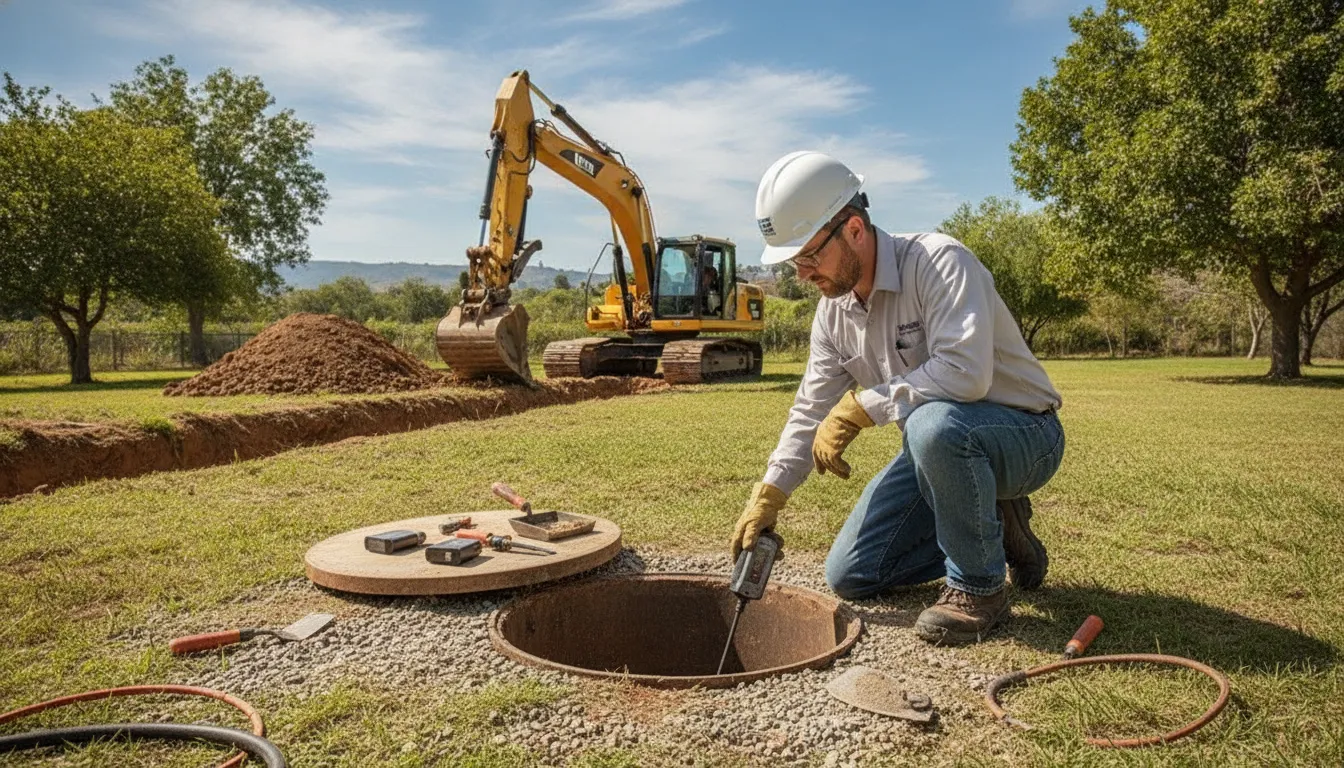
Seepage Pit Repair Cost Ventura County: What to Expect
A seepage pit problem rarely starts with a dramatic collapse. Slow drains, gurgling pipes, sewage backups, or a soggy patch of yard can signal that wastewater is no longer dispersing as it should. Acting on those warning signs gives you more options before a localized repair becomes a full replacement.
The seepage pit repair cost ventura county homeowners see depends on the damage, soil conditions, access, permitting requirements, and whether the pit can be repaired or must be replaced. A diagnostic-first inspection, including video documentation where applicable, helps identify the cause and define the safest scope before excavation begins.
A seepage pit, sometimes called a drywell, receives septic tank effluent and allows it to seep into surrounding soil. For background on routine maintenance and system care, see our Ventura County septic services guide. First, it helps to understand what commonly causes these systems to fail.
Request your seepage pit inspection today
What causes a seepage pit to fail?
A seepage pit can work for years when wastewater moves through suitable soil and the septic tank is maintained. Failure usually develops when solids, excess water, or damaged soil reduce that flow. The result may first appear as a small inconvenience, then become a sanitation and property concern.
Soil saturation and poor drainage
Seepage pits depend on surrounding soil that can accept and disperse effluent. Specific soil conditions and good drainage are necessary for effective operation. Heavy rainfall, a high groundwater table, or changes in the soil can leave the pit saturated. When the ground cannot absorb additional wastewater, effluent may collect near the surface instead of moving away. Soggy spots or unusually wet areas in the yard above the pit are warning signs, not simply lawn problems. Because improperly located or poorly maintained seepage pits can endanger groundwater quality, a persistent wet area deserves prompt evaluation. EPA guidance on seepage pits explains these groundwater risks.
Solids, clogging, and missed pumping
As a septic tank fills, heavier solids can move toward the outlet and restrict the soil or pit that receives the effluent. Regular pumping helps prevent those solids from clogging a drainfield or seepage pit. Without it, the system may struggle to keep up with normal household use. Slow-draining fixtures, gurgling pipes, and sewage backups are common signs of septic failure. These symptoms can also come from a blocked line, so a diagnostic inspection is important before assuming the pit itself needs replacement.
Chemicals and an aging system
Chemical drain cleaners can kill beneficial bacteria that help break down waste in a septic system. Repeated use may disrupt treatment and contribute to solids or flow problems. Choose mechanical clearing or professional diagnosis instead, and never send paint, oil, pesticides, or other hazardous waste into the system. Age matters, too. Materials, soil performance, and past maintenance all affect how long a seepage pit remains serviceable. A professional can compare repair and replacement options and document the condition before you commit to a project. For broader maintenance guidance, review our Ventura County septic services guide.
Repair vs replacement: when each option makes sense
Choosing between a seepage pit repair and full replacement starts with the condition of the existing system, not a one-size-fits-all price. A professional video inspection can help locate clogs, damaged piping, or other trouble areas before excavation begins. That diagnostic-first step creates a clearer plan and helps avoid paying for work that the property does not need.
Repair may make sense when the pit structure is generally sound and the problem is limited to an accessible connection, blockage, or damaged section of pipe. Replacement becomes more likely when the pit has extensive structural damage, has lost its ability to receive wastewater, or no longer fits current site conditions. A professional should be consulted when a pit fails, particularly if the yard is soggy, drains are backing up, or wastewater may be reaching the surface.
| Criteria | Repair | Replacement |
|---|---|---|
| Extent of damage | Best for a localized blockage, connection issue, or limited pipe damage. | More appropriate when the pit or major components have widespread failure. |
| Age of pit | Worth evaluating when the existing structure remains stable and functional. | May offer better value when age and deterioration make repeated repairs likely. |
| Cost | Repair cost varies widely with access, labor, materials, and the extent of damage. | Usually involves a larger project, including design, permits, excavation, and installation. |
| Timeline | Often has a smaller scope, but the actual schedule depends on the diagnosis and approvals. | Requires more planning and may involve site evaluation, permitting, and construction. |
| Long-term reliability | Can restore service when the underlying pit and soil conditions are still suitable. | Can provide a more dependable solution when repair would only postpone a larger failure. |
Trenchless methods may be an option for suitable pipe-related repairs. They are non-invasive and can save 50% to 75% compared with traditional excavation, according to the company knowledge base. They don’t replace the need for a site-specific evaluation, but they may reduce disruption to landscaping, driveways, and other finished areas.
For broader planning, review our guide to Ventura County septic services, then compare the inspection findings with your property’s age, access, and future needs. Book your property assessment online
What should a seepage pit repair cost in Ventura County?
There is no responsible one-size-fits-all answer to seepage pit repair cost Ventura County homeowners may see on an estimate. The total can vary widely depending on the extent of the damage, the pit’s condition. Access to the work area, soil conditions, and whether a repair is practical or a replacement is required. A written quote should explain those variables instead of presenting a vague allowance or an attractive number that changes once excavation begins.
What affects the estimate?
The first cost driver is diagnosis. A professional may need a video or camera inspection to locate a blockage, damaged connection, or other problem before recommending work. That diagnostic-first approach creates documentation and helps reduce rework. A customer septic inspection is approximately $350, while drain cleaning starts at $73. Those are inspection or service reference points, not a promised price for repairing the seepage pit itself. If persistent odors are part of the complaint. A complete smoke test is listed at $550 and may help identify leaks or connections that are allowing odors into the property.
Site conditions can matter just as much as the visible symptom. Limited access, difficult soil, deeper excavation, structural damage, or the need to protect nearby landscaping can increase labor and equipment requirements. If the pit is receiving wastewater but the surrounding soil no longer accepts it properly, a simple clearing may not solve the underlying problem. The estimate should distinguish inspection, cleaning, repair, replacement, permits, materials, and restoration so you can compare options fairly.
How to protect your budget
Ask for the inspection findings and a written scope before authorizing construction. The proposal should state what was found, which repair method is recommended, what is excluded, and what happens if concealed damage is discovered. It is also reasonable to ask whether a less invasive repair is feasible and how that option compares with replacement. For an overview of available service support, visit professional seepage pit repair.
Do not choose a contractor solely because the first quote is the lowest. A clear diagnostic record and itemized written estimate can help prevent paying for work that does not address the cause of the failure.
Permitting requirements for seepage pit work in Ventura County
Seepage pit repair is not just an excavation and plumbing project. In Ventura County, constructing a new onsite wastewater treatment system, or OWTS, requires a permit. Replacement work may also require county review, depending on the scope and the existing system. The goal is to confirm that the proposed system protects public health, groundwater, nearby wells, and surface water.
Ventura County Environmental Health manages liquid waste resources and publishes the county’s Environmental Health requirements and guidance. The county also maintains an OWTS technical manual and has issued updates summarizing major changes to the Ventura County Building Code for onsite wastewater treatment systems. Those documents can affect how a repair or replacement is designed, reviewed, and approved, so older property records should not be treated as the current standard.
What the county review considers
A permitting review may require project-specific information about the property, the existing system, soil conditions, and the proposed repair. Design also has to account for the seepage pit’s distance from wells and surface water. These details matter because a pit that worked for years may no longer meet current requirements if the property layout, groundwater conditions, or code standards have changed.
That is why a reliable evaluation should come before a price is finalized. A licensed contractor can inspect the accessible plumbing and wastewater components, document the problem. Determine whether repair or replacement is practical, and prepare the information needed for county coordination. If the work requires an OWTS permit, the contractor can handle the permitting process with Ventura County rather than leaving the homeowner to interpret technical requirements alone.
Permitting is one reason a quoted seepage pit repair cost in Ventura County can vary. The final scope may depend on the condition of the pit, site constraints, required design work, and the county’s review. A contractor should explain which items are included in the proposal and should never invent a permit fee or promise approval without reviewing the property.
For broader planning and maintenance context, see our Ventura County septic services guide, then request a site-specific assessment when seepage problems appear.
How long does seepage pit repair or replacement take?
There is no reliable one-size-fits-all schedule for seepage pit work in Ventura County. The timeline depends on what the inspection finds, site access, soil and drainage conditions, the selected repair method, and county review. A diagnostic-first process helps separate a targeted repair from a larger replacement before excavation begins.
-
Diagnostic inspection and site evaluation
The first visit typically includes a camera or video inspection to locate damage, blockages, or connection problems in the piping. Video documentation can improve problem identification and reduce rework. The contractor should also evaluate soil, drainage, the pit’s condition, and surrounding site constraints. This stage may take part of a day, but additional testing or access work can extend it when the cause is unclear.
-
County permit review
New onsite wastewater treatment system construction in Ventura County requires the appropriate permit. The application and review process can take longer than the physical plumbing work, especially when plans, site information, or revisions are needed. County requirements and technical guidance should be confirmed before work starts through the Ventura County permit process.
-
Repair or replacement
Once approvals and materials are ready, the fieldwork may range from a focused repair to a multi-day replacement. Where conditions allow, non-invasive trenchless repair is often completed in one day and may save 50 to 75 percent compared with traditional excavation. Those figures are planning guidance, not a promise. Ground conditions, the length of damaged pipe, equipment needs, and restoration requirements can change the schedule.
-
Final inspection and restoration
The final phase includes required inspection, testing, backfilling, and re-seeding or other surface restoration. Ask what is included in the estimate and when the area can safely be used again. A clear written scope should identify each milestone rather than promise an exact completion date before the site is evaluated.
Request a seepage pit repair estimate today
Frequently Asked Questions
How much does it cost to replace a seepage pit?
There is no single replacement price for every Ventura County property. The total depends on site access, soil conditions, the existing system, required engineering, permits, excavation, and disposal. A proper evaluation should separate inspection and design costs from construction costs so you can compare repair and replacement options clearly.
How do you fix a seepage pit?
Work starts with diagnosing the failure, often through a site assessment and video inspection of connected lines. Depending on the cause and condition, a contractor may address damaged piping, restore flow, improve related components, or recommend replacement. Avoid pumping, digging, or altering the system before the problem and permit requirements are confirmed.
When should a seepage pit be repaired instead of replaced?
Repair may make sense when the pit and surrounding system remain structurally serviceable and the failure has a limited, identifiable cause. Replacement is more appropriate when the pit has lost function, has recurring backups or surfacing, or cannot meet current site requirements. An experienced septic professional can document the condition and explain the tradeoffs before construction begins.
Is a seepage pit the same as a drywell?
They are related underground systems designed to disperse wastewater or drainage into surrounding soil, and people sometimes use the terms interchangeably. The exact design, permitted use, and local requirements can differ. Your contractor and the local permitting authority should verify what system is present before recommending repair or replacement.
Ready to plan your seepage pit repair?
A site inspection can help clarify whether repair, replacement, or another approved option fits your property and current system. Conejo Bros Plumbing can review the condition of your seepage pit and explain the next steps in practical terms. Request a seepage pit inspection or repair quote to get started with our team.
