


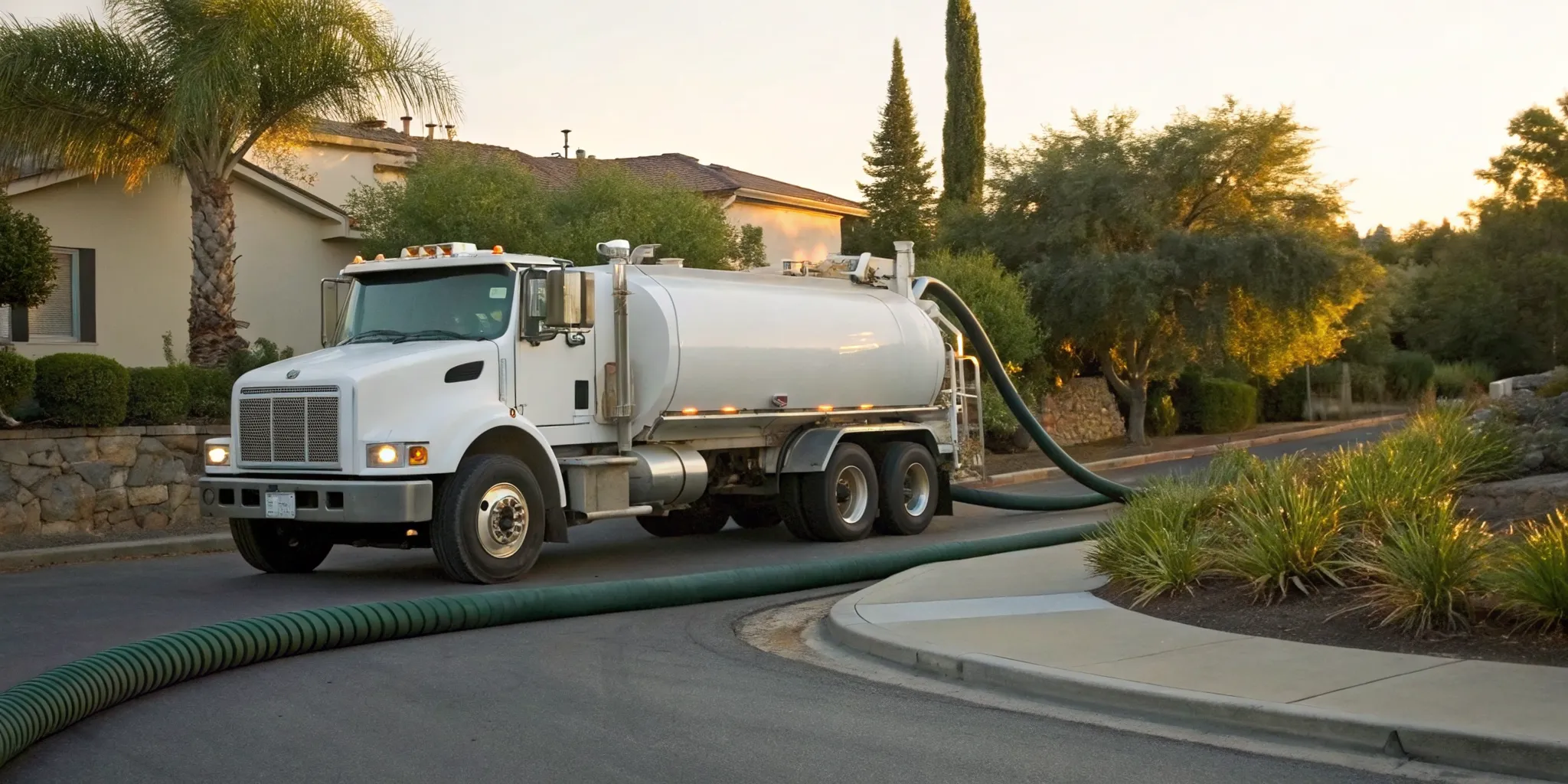
Why You Need a Large Capacity Septic Pump Truck Thousand Oaks
Your septic system usually works quietly in the background, but when it’s in trouble, its warning signs are loud and clear. Slow drains, gurgling toilets, and unpleasant odors in your yard aren’t just minor annoyances; they are urgent signals that your tank is full and a messy backup could be imminent. Ignoring these red flags is a recipe for a costly and stressful emergency. When your system is overwhelmed, you need more than just a standard service call. You need a rapid response with the right equipment to handle the volume. A large capacity septic pump truck in Thousand Oaks is designed for these exact situations, providing the power and capacity to resolve the problem quickly and prevent a disaster. We’ll walk you through the warning signs you should never ignore.
Key Takeaways
- Choose a service with large capacity trucks: This ensures your entire tank, especially on a large property, is pumped out in one trip, saving you time and preventing the incomplete service that smaller trucks might provide.
- Be proactive with maintenance and warning signs: Your septic pumping schedule is unique to your property’s size and water use. Pay attention to slow drains or yard odors, as these are clear signs your tank is full and needs immediate attention to avoid a messy backup.
- Combine pumping with a camera inspection: Pumping cleans the tank, but an inspection diagnoses its health. An empty tank allows a camera to find hidden problems like cracks or root damage, letting you fix small issues before they become major, costly failures.
What Is a Large Capacity Septic Pump Truck?
Think of a septic pump truck as a powerful, specialized vacuum cleaner on wheels, designed to safely and cleanly remove waste from your septic tank. But not all pump trucks are created equal. While any truck can handle a small tank, a large capacity truck is built to tackle the biggest and most demanding jobs efficiently. For many homeowners and businesses in the Thousand Oaks area, having access to a large capacity truck isn’t just a convenience; it’s essential for keeping their septic systems running smoothly. It ensures the job is done in one visit, saving you time and hassle.
Understanding Tank Sizes and Capacity
When we talk about a pump truck’s “capacity,” we’re referring to the volume of waste its holding tank can accommodate. A standard truck might have a tank that holds around 2,500 gallons, which is fine for smaller residential tanks. In contrast, a large capacity truck can hold 5,000 gallons or more. What does this mean for you? If you have a large septic tank, common for bigger homes or commercial properties, a large capacity truck can pump it out completely in a single trip. This avoids the inefficiency and extra time of having a smaller truck make multiple visits to finish the job.
Key Features of a High-Quality Pump Truck
A great pump truck is about more than just its tank size. The real workhorse is the powerful vacuum system, which is engineered to remove both the liquid wastewater and the heavy solids that settle at the bottom of your tank. Another key feature is the hose length. A high-quality truck is equipped with an extra-long hose, which gives technicians the flexibility to reach tanks that are far from the driveway or situated on a tricky part of your property. This capability is crucial for providing a thorough septic tank service without disrupting your landscaping or property.
Large Capacity vs. Standard Trucks: What’s the Difference?
So, how do you know which truck your property needs? A standard truck is usually fine for routine pumping of a small tank at a single-family home. However, a large capacity truck is the necessary tool for more substantial jobs. This includes large estates, horse properties, and commercial buildings like restaurants or office complexes that generate more waste. It’s also the go-to solution for emergencies, such as major sewer backups or overflows, where a large volume of waste must be removed immediately. Opting for a service with a large capacity truck ensures the problem is handled correctly and completely on the first visit.
Who Needs Large Capacity Septic Pumping in Thousand Oaks?
Not all septic systems are the same, and a one-size-fits-all approach to pumping just doesn’t work. If you own a large property or run a business in the Thousand Oaks area, your septic needs are likely much greater than those of a standard single-family home. This is where large capacity septic pump trucks become essential. These specialized vehicles are designed to handle bigger tanks and more complex jobs, ensuring your system is cleaned out efficiently and completely in a single visit. A standard truck might need to make multiple trips for a large tank, which costs you more time and money.
Using a large capacity truck means the job gets done faster and more thoroughly, which is crucial for preventing messy backups and costly emergency calls. Whether you have a sprawling estate, a bustling commercial property, or a home tucked away on a hillside, having access to the right equipment makes all the difference. It’s about matching the tool to the task to keep your property’s waste management system running smoothly. If you’re unsure about your specific needs, a professional can help you figure out the right septic tank service plan for your property.
For Large Homes and Horse Properties
If you live in a large home with five or more bedrooms, your septic tank works much harder than average. More bathrooms and more people using water means your tank fills up faster, requiring pumping every one to two years instead of the typical three to five. The same goes for horse properties, where the waste production is significantly higher. For these properties, an annual check-up and pumping are often necessary to prevent system overload. A large capacity truck is perfect for these situations, as it can empty your entire tank in one go, ensuring a complete and effective cleaning without needing multiple trips.
For Businesses and High-Traffic Buildings
For commercial properties like restaurants, office buildings, and retail centers, a functioning septic system is non-negotiable. A backup or foul odor can shut down your business, lead to health code violations, and damage your reputation. Because these buildings see so much daily traffic, their septic systems fill up incredibly fast. Regular, frequent pumping with a large capacity truck is the best way to stay ahead of problems. This minimizes downtime for your business and ensures your facilities remain clean and operational for employees and customers. It’s a critical part of your property’s routine maintenance.
For Properties with Tricky Access (Hills, Gates, and Trees)
Many properties in Thousand Oaks and the surrounding areas are located on hillsides, within gated communities, or are dotted with beautiful, mature oak trees. While these features add character, they can make accessing a septic tank a real challenge. Standard pump trucks may not have hoses long enough to reach the tank from the street, or they may be too large to maneuver down a narrow driveway. Our large capacity trucks are equipped with extra-long hoses and powerful pumps specifically for these situations. We can service your septic tank effectively while protecting your landscaping and navigating tricky property layouts with ease.
How Often Should You Pump a Large Septic Tank?
One of the most common questions we get is about how often a septic tank needs pumping. The honest answer is: it depends. While general guidelines exist, your ideal schedule is unique to your property. Factors like the size of your home or business, the number of people using the system daily, and your overall water usage all play a significant role. Sticking to a regular maintenance schedule is the single best thing you can do to prevent messy backups and costly emergency repairs. A professional septic tank service can help you create a pumping plan that keeps your system running smoothly for years to come. Think of it as preventative care for one of your property’s most essential systems.
How Property Size Affects Your Pumping Schedule
For residential properties, a good rule of thumb is to pump the septic tank every two to three years for a standard three or four-bedroom home. However, many properties in the Conejo Valley are larger. If you live on a large estate with five or more bedrooms or have a horse property with additional facilities, your tank works much harder. For these larger homes, we recommend increasing the frequency to every one to two years. More bedrooms usually mean more people, more bathrooms, and more water-using appliances, all of which contribute to a faster buildup of solids in your tank. Adjusting your schedule prevents overflows and ensures your system can handle the demand.
Pumping Frequency for Commercial Properties
Commercial septic systems are in a league of their own. A restaurant, office building, or retail center places a much heavier load on its septic system than a home does. Because usage is high and concentrated, the pumping frequency for businesses varies quite a bit. It could be needed quarterly, semi-annually, or annually. The key is establishing a consistent maintenance schedule. Failing to do so can lead to unpleasant odors, plumbing backups that disrupt business, and even health code violations. Regular pumping is a critical investment to keep your operations running without a hitch and avoid expensive, unexpected shutdowns.
Signs It’s Time to Adjust Your Pumping Schedule
Your property will often give you clues when your septic tank is nearing capacity. It’s important to pay attention to these signs, even if you aren’t “due” for a pumping. If you notice unpleasant odors coming from your drains or lingering around your yard near the tank, that’s a major red flag. Another clear indicator is when your drains or toilets are running slowly despite attempts to clear them. Finally, be on the lookout for unusually green or soggy patches of grass in your yard, especially over the drain field. These are all signs that your tank is full and needs immediate attention to prevent a backup.
Warning Signs You Need Immediate Septic Pumping
Your septic system is one of those things you don’t think about until something goes wrong. It works quietly behind the scenes, managing your home’s wastewater day in and day out. But when it reaches its limit, it sends out some pretty clear distress signals. Ignoring them can lead to unpleasant backups, costly repairs, and a major headache you just don’t need.
Knowing what to look for is the best way to stay ahead of a septic emergency. These aren’t subtle hints; they’re direct warnings that your system is overloaded and needs professional help right away. From strange smells in your yard to gurgling drains in your kitchen, your septic system will tell you when it’s time for a pump-out. Acting fast not only saves you from a messy situation but also protects the long-term health of your entire system. If you suspect your system is full, it’s time to call for septic tank pumping. Catching these signs early can be the difference between a routine service call and a full-blown septic disaster.
Slow Drains or Backups? It’s a Red Flag
If you notice your sinks, showers, or toilets are draining slower than usual, don’t just reach for a bottle of drain cleaner. When multiple fixtures in your home start to slow down at the same time, it’s often a sign of a much bigger issue brewing underground. A full septic tank leaves no room for new wastewater, causing it to back up into your home’s plumbing. You might hear gurgling sounds from your pipes or, in the worst-case scenario, experience sewage backing up into your tubs and toilets. This isn’t just a simple clog; it’s a clear signal that your septic system is overwhelmed and needs immediate drain service.
Unpleasant Odors and Wet Spots in Your Yard
Your nose is one of the best tools for detecting a septic problem. If you start to notice a foul, sewage-like odor in your yard, especially around the drain field or septic tank lid, take it seriously. This smell means that gases from the tank are escaping. Even more telling are wet, soggy patches of grass or standing water pooling on the surface of your lawn when it hasn’t been raining. This is a sign that your drain field is saturated and can no longer absorb liquid waste, forcing it to the surface. This not only creates an unpleasant mess but also poses a health risk to your family and pets.
When High Water Use Becomes an Emergency
Most septic tanks need pumping every three to five years, but that schedule isn’t set in stone. Your household’s water usage plays a huge role in how quickly your tank fills up. If you have a large family, have recently hosted long-term guests, or simply use a lot of water, your tank will reach capacity much faster. A sudden increase in water use can push a nearly full tank over the edge, turning a future maintenance task into a present-day emergency. If you’re seeing other warning signs after a period of high water consumption, it’s time to contact a professional immediately before a backup occurs.
Septic Pump Truck Specs: What Really Matters
When you schedule a septic service, you probably don’t think much about the truck that shows up. But the truth is, the equipment used for the job makes a huge difference. The right truck, with the right specifications, ensures your septic tank is pumped efficiently, thoroughly, and without any hassle or damage to your property. It’s not just about having a truck; it’s about having the correct truck for the unique needs of your home or business.
Think of it this way: you wouldn’t use a screwdriver to hammer a nail. In the same way, a standard septic truck might not be equipped to handle a large tank on a hillside property or a commercial system with heavy sludge. Key factors like pump power, tank capacity, and specialized gear for tricky locations are what separate a quick, clean job from a frustrating, incomplete one. Understanding these specs helps you appreciate why choosing a well-equipped team is so important for the health of your septic tank system. We’ll break down exactly what you should look for.
Pump Power and Suction Strength
Pump power is the engine behind a successful septic service. A high-quality septic truck uses a powerful vacuum system to pull wastewater and solids from your tank. This suction strength is critical because a septic tank isn’t just full of liquid; it contains a layer of thick sludge at the bottom. A weak pump might only skim the liquid off the top, leaving behind the dense solids that cause the most problems.
When a pump is strong enough, it can effectively break up and remove that heavy sludge, ensuring your tank is truly empty. This thorough cleaning prevents premature fill-ups, reduces the risk of backups, and extends the life of your septic system. It’s the difference between a temporary fix and a proper, long-lasting service that keeps your drains flowing smoothly.
Tank Size and Hose Reach
The size of the truck’s tank and the length of its hose are two of the most practical specs to consider. A truck with a large-capacity tank, often holding 4,000 gallons or more, can typically pump out an entire residential septic tank in a single trip. This is especially important for larger homes or commercial properties. A smaller truck might require multiple trips, costing you more time and money.
Equally important is the hose reach. Many properties in our area don’t allow a large truck to park right next to the septic tank lid. Whether it’s due to a long driveway, delicate landscaping, or a backyard location, having plenty of hose is essential. A professional service will arrive with enough hose to reach your tank without driving on your lawn or damaging your property, ensuring a smooth process no matter your home’s layout.
Specialized Gear for Hillsides and Gated Properties
Thousand Oaks and the surrounding communities have many beautiful but challenging properties. From sprawling horse properties to homes perched on hillsides and tucked away in gated communities, one size definitely does not fit all. This is where specialized equipment becomes non-negotiable. A professional septic service that truly understands the local terrain will have trucks designed for these environments.
This includes trucks with the power and braking systems to safely handle steep grades and the maneuverability to get through narrow gates. It also means having a team that knows how to protect your property, like working around mature oak trees without disturbing their root systems. When a company invests in this type of specialized gear, it shows they are committed to serving all residents in their service areas and have the experience to do it right.
Should You Get a Septic Inspection with Your Pumping?
When you schedule a septic pumping, you’re taking a great first step in maintaining your system. But should you add an inspection to that appointment? In almost every case, the answer is a resounding yes. Think of it this way: pumping removes the waste, but an inspection tells you about the health of the tank and its components. It’s the difference between cleaning out your garage and having a professional check the foundation it sits on.
Combining these services is the most efficient and proactive way to manage your septic system. Once the tank is empty, our technicians have a clear, unobstructed view of the tank’s interior walls, baffles, and pipes. This is the perfect opportunity to spot small issues like cracks, root intrusion, or corrosion before they become catastrophic failures. A little bit of prevention now can save you from a major headache and a much larger expense down the road. Taking this extra step protects your property, your wallet, and your peace of mind.
What a Camera Inspection Reveals
A standard visual check is good, but a camera inspection gives you the full story of what’s happening inside your septic system’s hidden network of pipes. We use a specialized, high-resolution waterproof camera that we guide through your sewer and drain lines. This technology allows us to see exactly what’s going on in real-time, identifying problems that are impossible to detect from the surface. A sewer camera inspection can uncover hairline cracks, blockages from grease buildup, invasive tree roots, or sections of pipe that have shifted or collapsed. By getting a clear look, we can pinpoint the exact location and nature of a problem, ensuring any necessary repairs are targeted and effective.
Why You Might Schedule Both at Once
Scheduling your septic pumping and inspection together is one of the smartest moves you can make as a property owner. First, it’s efficient. You only need to book one appointment and have a service truck at your home once, saving you time and coordination. More importantly, it’s the gold standard for preventative maintenance. Taking care of your septic system regularly helps you avoid big, expensive problems and protects your property from messy sewage issues. An empty tank provides the perfect conditions for a thorough inspection, allowing us to check the structural integrity of the tank itself. This small, proactive step helps ensure your system runs smoothly for years to come.
Meeting Local Thousand Oaks Regulations
Septic systems in Thousand Oaks and across Ventura County are subject to specific local and state regulations designed to protect public health and the environment. A professional inspection does more than just check for damage; it verifies that your system is compliant with all current codes. This is especially critical if you are buying or selling a property, as a certified inspection is often required. When you work with a team that has deep local know-how, you can trust that all work and documentation will meet these strict standards. We understand the requirements in our service areas and ensure your system is up to code, protecting you from potential fines or legal issues.
Common Septic Myths That Cost You Money
When it comes to septic systems, what you don’t know can hurt your wallet. Many homeowners follow outdated advice that leads to messy, expensive emergencies. Believing these common myths can turn a manageable maintenance task into a major system failure. Let’s clear up a few of the most costly misconceptions so you can keep your system running smoothly and avoid unpleasant surprises.
Myth: “My System Is Maintenance-Free”
This is probably the most dangerous myth out there. The “out of sight, out of mind” approach to a septic system is a recipe for disaster. Your system works hard every day, and it needs regular attention to function correctly. Just like changing the oil in your car, routine maintenance prevents huge, expensive problems from developing. Taking care of your septic tank is essential for protecting your family’s health and preventing sewage from damaging your property. Regular pumping and inspections aren’t just suggestions; they are the key to a long-lasting, effective system.
Myth: “My Tank Can Handle Anything”
It’s easy to think of your toilet as a magical portal, but your septic tank is a sensitive ecosystem, not a garbage disposal. Flushing items like wet wipes (even “flushable” ones), paper towels, or pouring grease and harsh chemicals down the drain can cause serious harm. These materials don’t break down properly, leading to sludge buildup that clogs your system and causes sewage backups, foul odors, and costly damage. Being mindful of what goes down your drains is one of the easiest ways to prevent a septic emergency.
Myth: “Only Inspect When There’s a Problem”
Waiting until you notice a problem is like waiting for the smoke alarm to go off. By the time you see warning signs like slow drains, gurgling toilets, or wet spots in your yard, the damage is often already underway. Experts recommend having your septic system inspected annually. A professional sewer camera inspection can identify small issues like cracks, root intrusion, or blockages before they escalate into a full-blown system failure. A proactive inspection is a small investment that can save you from thousands of dollars in emergency repairs.
What Does Large Capacity Septic Pumping Cost in Thousand Oaks?
Talking about cost is important, and when it comes to septic pumping, the price can vary. Knowing what goes into the final bill helps you budget and choose a service provider who is transparent about their rates. The goal is to find a company that gives you a clear, upfront quote so there are no surprises when the job is done. A professional will always walk you through the expected costs before starting work, ensuring you feel confident in your decision.
What Influences the Final Cost?
Several factors determine the cost of pumping your septic tank. The most obvious is the size of your tank; a larger tank requires more time and truck capacity to empty. Another key factor is accessibility. If your tank is located on a steep hill, behind a narrow gate, or far from a driveway, the team may need extra hoses or specialized equipment to reach it. Finally, the condition of your tank matters. A tank that is long overdue for service may have thicker sludge that is more difficult to pump. A trustworthy company will explain these factors and provide transparent pricing before any work begins, ensuring you know exactly what to expect.
Typical Costs Based on Tank Size and Job Scope
While every job is unique, you can get a general idea of the cost. For residential properties in the Thousand Oaks area, septic pumping can range from around $350 to $850. Commercial properties, which often have much larger tanks and higher usage, can see costs ranging from $700 to over $2,000. Properties with large capacity tanks, like sprawling homes or businesses, will naturally fall on the higher end of that spectrum. The best way to get an accurate number is to schedule an assessment. A professional can evaluate your specific septic tank needs and give you a precise quote based on its size and condition.
Understanding Your Payment and Financing Options
A septic emergency is often an unplanned expense, and the cost can be a major concern. That’s why it’s helpful to work with a company that understands your financial needs. If you’re facing a large or unexpected septic service bill, don’t hesitate to ask about payment plans. Many reputable plumbing companies offer flexible financing to help you manage the cost without delay. Investing in routine maintenance is always more affordable than paying for an emergency repair, but having payment options provides peace of mind when you need it most. It allows you to get critical work done immediately while paying for it over time.
How to Choose the Right Septic Service in Thousand Oaks
Choosing a septic company can feel like a shot in the dark, but it doesn’t have to be. When you know what to look for, you can confidently pick a team that will protect your property and your peace of mind. It comes down to three key areas: their local reputation, their equipment and range of services, and their commitment to being there when you need them most. Getting this choice right means you’ll have a reliable partner for the long haul, not just a quick fix for today’s problem. Let’s walk through what really matters when you’re hiring a septic professional in the Thousand Oaks area.
Check for Reputation, Licensing, and Local Know-How
A company’s reputation is your best indicator of the service you’ll receive. Look for a provider with deep roots in the community and a solid track record. The best septic professionals have an intimate understanding of the Thousand Oaks area, from its unique soil conditions to the specific regulations in different neighborhoods. This local expertise is crucial for handling challenges like hilly terrain or properties with protected trees. You can get a great sense of a company’s performance by reading customer reviews. Of course, make sure any company you consider is fully licensed and insured. This isn’t just a formality; it’s your protection, ensuring they are qualified and accountable for the work they do on your property.
Look for the Right Equipment and Comprehensive Services
The right tools make all the difference, especially with septic systems. A top-tier service provider will have modern, well-maintained equipment capable of handling any situation. This includes large-capacity trucks for big properties and specialized gear for homes on hillsides or with tricky access. Beyond just pumping, look for a company that offers a full suite of septic tank services. A team that can also perform camera inspections, repairs, and even new installations can save you a major headache. If a simple pumping job reveals a bigger issue like a damaged baffle or a compromised drain field, you won’t have to start your search all over again for another qualified contractor.
Prioritize 24/7 Availability and Service Guarantees
Septic emergencies rarely happen at a convenient time. A backed-up system or a foul odor in your yard requires immediate attention, which is why 24/7 availability is a must. You need a team you can call day or night, knowing they will answer and respond quickly. A true professional also stands behind their work with a service guarantee. This shows they respect your time and are committed to your satisfaction. It means clear communication if they’re running late and a promise to do the job right the first time. When you’re dealing with the stress of a septic issue, knowing you have a reliable plumbing partner on call provides invaluable peace of mind.
How Conejo Bros Plumbing Handles Large-Scale Septic Pumping
When you have a large septic system, whether for a sprawling horse property or a busy commercial building, you can’t trust the job to just anyone. Standard equipment often isn’t enough to handle the volume, and an inexperienced team can miss critical signs of trouble. At Conejo Bros Plumbing, we specialize in large-scale septic pumping, bringing the right equipment and expertise to every job in Thousand Oaks and the surrounding areas. We understand that for these bigger systems, efficiency and thoroughness are everything.
Our approach starts with our state-of-the-art, high-capacity septic pump trucks. These vehicles are specifically designed for significant volumes, equipped with powerful pumps that remove waste quickly and completely. This means less downtime for your business and minimal disruption to your home life. A thorough pumping is the first step in maintaining a healthy system, and our equipment ensures no corners are cut. We manage the entire septic tank pumping process so you don’t have to worry.
But our service doesn’t stop once the tank is empty. We believe in a comprehensive approach to septic care. Our experienced technicians can also perform detailed inspections to assess the health of your entire system, from the tank to the leach field. This allows us to catch small issues before they become costly emergencies, giving you a complete picture of your system’s condition. It’s this commitment to detail that sets our team apart. We’re not just service providers; we’re your partners in long-term property maintenance, and our customer reviews reflect that dedication.
Related Articles
- Septic Tank Pumping – Conejo Bros Plumbing | Conejo Valley Drain Specialists
- Septic Tank Services in Thousand Oaks | Conejo Bros Plumbing
- Septic Tank Replacement – Conejo Bros Plumbing | Conejo Valley Drain Specialists
- Septic Tank Inspection – Conejo Bros Plumbing | Conejo Valley Drain Specialists
- Seepage Pit Repair and Installation – Conejo Bros Plumbing | Conejo Valley Drain Specialists
Frequently Asked Questions
Why does the cost of septic pumping vary so much? The final price for septic pumping depends on a few key things. The size of your tank is the biggest factor, as a larger tank simply takes more time and truck capacity to empty. Another consideration is how easy it is to access your tank. If it’s far from the driveway or on a tricky part of your property, we may need extra equipment. Finally, a tank that hasn’t been serviced in a long time can have a thick layer of solids that is more difficult to pump, which can also affect the cost.
My property is on a steep hill with a long driveway. Can you still service my septic tank? Yes, absolutely. This is a common situation in our area, and it’s exactly why having the right equipment is so important. Our trucks are equipped with powerful pumps and extra-long hoses, allowing us to reach tanks that are far from the street or located in challenging spots. We can service your system effectively without driving on your lawn or disrupting your landscaping.
Is a septic inspection really worth the extra cost when I’m already paying for pumping? Think of it this way: pumping cleans out the waste, but an inspection checks the health of the tank itself. Once the tank is empty, we have a perfect, clear view of the interior walls and components. This is the best time to spot small cracks, root damage, or other issues before they turn into major, expensive failures. Combining the two services is the most proactive and cost-effective way to manage your system long-term.
My drains are just a little slow. Could it really be a septic issue? It definitely could be. While a single slow drain might just be a local clog, it’s a different story when multiple drains in your house start to slow down at the same time. This is a classic warning sign that your septic tank is full and has no room for more wastewater, causing things to back up into your home’s plumbing. If you’re noticing this along with any gurgling sounds or faint odors, it’s time to call a professional.
Is it really necessary to pump my septic tank every 1-2 years if I have a large home? For larger homes with more bedrooms and bathrooms, this more frequent schedule is the best way to prevent problems. More people and more water-using appliances create a much heavier load on your system, causing the tank to fill with solids much faster than in a smaller home. Sticking to a one or two-year schedule is smart preventative care that helps you avoid messy backups and protects the long-term health of your entire septic system.
