

Septic System Installation Ventura County: What to Expect
A soggy green patch of grass smelling of sewage means your home wastewater has nowhere left to go. Replacing a failed tank or leach field requires careful planning and strict county permits.
Get a free site assessment for your septic system installation in Ventura County
A proper septic system installation ventura county homes require must use an approved two-compartment tank and a disposal field built for your daily waste. According to the Ventura County Environmental Health Division, these systems must be designed by a licensed professional who evaluates soil type, slope, and groundwater. Once they approve the design, you need a Permit to Construct before the physical installation, which takes about two to five days. Our local team offers these setups throughout the region, working with conventional leach fields and alternative systems depending on your property’s soil. You can read our complete septic tank service guide to understand all the details of local planning, permitting, and long-term care.
But how do you know if your current setup is simply clogged or completely worn out? We will help you find the answer by looking at When do you need a new septic system vs. repairs to an existing one? To find the right path, we begin with
When do you need a new septic system vs. repairs to an existing one?
Diagnostic evaluations of system health
When plumbing issues arise, a homeowner must first find the root cause of the trouble. A backup in the home or a wet patch in the yard does not always mean you need a new system. Instead, a septic expert starts with a diagnostic-first approach.
They run a sewer camera through the pipes to inspect the lines and check the tank for signs of wear. They also check for pooling water. This clear proof shows if you face a minor block or a major break.
Simple repairs for localized issues
Many common septic problems only need quick, targeted repairs. For example, a cracked pipe between the house and the tank is a simple fix. Baffles that are clogged can also be cleared or replaced with ease.
Adding a new riser to your tank can make future care much easier. But you need the right paperwork before you touch any part of the system.
In Ventura County, you must get a permit before you start any work. The Ventura County Environmental Health Division issues this Permit to Construct. This rule applies to a brand-new septic system installation and to any repair of old or worn components.
To get a repair permit, you must submit a clear plot plan. This drawing must show where all current septic parts are on your land. It must also mark which parts you will replace and where the new ones will go. This plan helps the county check that the work is safe.
Complete replacement for systemic failure
Some signs point to a complete system failure that repairs cannot fix. If your disposal field is packed with solids, wastewater can no longer soak into the ground. Tree roots can also crush pipes and destroy the whole field. A cracked concrete tank or a collapsed cesspool needs a full replacement too.
In these cases, you will need a brand-new design and setup. Local rules can make a new build complex, so you need skilled experts. They will guide you.
Choosing a complete replacement costs more upfront but protects your home and soil for decades. It also keeps your property value high and prevents messy sewage leaks. A fresh system gives you peace of mind for years to come.
Septic system design for your septic system installation in Ventura County: permit and soil testing rules
Every new septic system starts on paper. You cannot simply dig a hole and drop a tank. Instead, a proper septic system installation in Ventura County demands careful planning and official approval. You must hire a licensed expert to create a plan that fits your land.
Who must design your septic system?
California law says you cannot design your own onsite wastewater treatment system. In Ventura County, your septic system design must come from a licensed expert. This can be a Registered Civil Engineer, a Professional Geologist, or a Registered Environmental Health Specialist. Your designer will find the best spot for your tank and field based on your property lines, water pipes, and buildings.
According to the Ventura County Environmental Health Division, these experts ensure your setup protects public health and local water. This design phase is vital for a system that lasts for decades without issues.
Soil and percolation testing
You must test the soil before any work can begin. Soil testing checks how fast water drains through the ground on your property. This process is called a percolation test, or perc test, and it determines if your soil can handle wastewater.
Your designer must look at several physical features of your land during this test. They measure the soil permeability to see how fast water sinks into the ground. They also check the depth of the local groundwater and look for solid bedrock. The slope of your land and any nearby waterbodies must also meet strict setback rules.
If your soil has too much clay, water will not drain well. If it has too much sand, water drains too fast, which can pollute groundwater. Finding the right balance keeps your system safe and clean.
The permit process and timeline
Once the testing is complete, your designer prepares your permit packet. This application must include a geotechnical soils report, a percolation test form, and a count of your home’s bedroom-equivalent sizing. This sizing shows how large your septic tank and disposal field need to be.
You must submit these plans to the Ventura County Resource Management Agency for review. This review process takes about 3 to 4 weeks. Once approved, you will receive your Permit to Construct, which allows the physical build to begin.
During the build, county inspectors must check the progress of the work. You must schedule these visits through the onsite wastewater treatment system construction and repair guidelines. You should call the OWTS Inspection Hotline at (805) 477-7136. Due to high demand, it takes up to two business days to schedule an inspector’s visit.
Types of septic systems approved in Ventura County
In Ventura County, properties that cannot connect to public sewer lines must use an Onsite Wastewater Treatment System (OWTS). The local government divides these systems into conventional designs and alternative setups. Each setup uses a two-compartment tank to hold solids.
The liquid waste then flows into a disposal field to sink safely into the ground. When planning a septic system installation ventura county homeowners must choose between conventional and alternative options. To start your septic system design, you must understand these choices to find the right fit for your land.
Conventional septic systems
Conventional setups are the most common systems in our area. They use a standard two-compartment septic tank connected to a gravity-fed disposal field. The tank works to separate and store solid waste while liquid flows to the disposal field. In Ventura County, conventional disposal fields use leach lines, leach beds, or seepage pits.
Leach lines are shallow trenches that disperse wastewater at a depth of up to six feet. They work well in flat areas with good, sandy soil. But if your property has poor surface soil or tight space, you may need seepage pits instead.
Seepage pits are drilled holes four to six feet in diameter that can go up to 60 feet deep. Local rules allow these deeper pits because they bypass tight upper clay layers to reach more porous soil below. If you are choosing between these layouts, you can compare a seepage pit septic system vs leach field to see how they differ.
Alternative septic systems
Not all land in Ventura County can support a conventional leach field. If your soil is too tight, or if the groundwater table is too high, you must use an alternative system instead. These systems use special tools to treat waste before it reaches the ground. The most common alternative designs in our area are above-ground mounds and below-ground sand filters.
An above-ground mound is a raised pile of sand built on top of the natural soil. A pump sends wastewater into this sand bed to filter the liquid. A below-ground sand filter works in a similar way, using a buried box filled with special sand to clean the water. Under county guidelines, these setups protect local water sources from harm and let you build on lots that would otherwise fail a standard soil test.
| Feature | Conventional system | Alternative system |
|---|---|---|
| Disposal field type | Leach lines, leach beds, or seepage pits | Above-ground mound or below-ground sand filter |
| Best land conditions | Good, sandy soil with deep groundwater | Tight soil, high water table, or shallow bedrock |
| Typical cost range | $3,000 to $10,000 | $10,000 to $25,000 or more |
| Design complexity | Simpler, faster to permit | Usually needs engineering and extra review |
| Install setup | Gravity-fed with no pump | Uses a pump to move wastewater |
Public sewer connection rules
Before you design or build any private septic setup, you must check for nearby public sewer lines. Ventura County has a strict distance rule to limit the number of private tanks. If a public sewer line is within 200 feet of your property boundary, you cannot install a private system. Instead, you are required to connect your home directly to the public sewer main.
This rule applies to both new homes and replacement systems. If your old septic tank fails and a public sewer line is close, you must hook up to the public line. According to the county’s septic system design rules, this public sewer rule comes first. Knowing these rules before you start can save you thousands of dollars in planning fees.
How long does septic system installation take?
When you plan a septic system installation in Ventura County, you must look at the whole timeline. The physical work of digging and placing the tank takes only 2 to 5 days. But the full process from the first permit form to the final sign-off takes 4 to 6 weeks for a simple system. If you need custom engineering or a mound, it can take 3 months or more.
Steps in the installation process
To get your system built, you must follow a set path. First, an expert runs a site study and a soil percolation test to check how water drains. Next, the designer draws up the plans and submits them to the local health office. Once the county approves your design, physical building can begin.
Review times for county permits
The permit phase is often the longest part of the job. According to county review rules, checking a new design takes about 3 to 4 weeks. This wait time depends on how many other plans are in the queue. You must get this green light before any digging starts. Working with a skilled local team helps prevent mistakes that could bounce your plans. Even a small error on a plot plan can reset your review time. A team that knows local soil and water rules will get your plans approved much faster.
On-site work and final checks
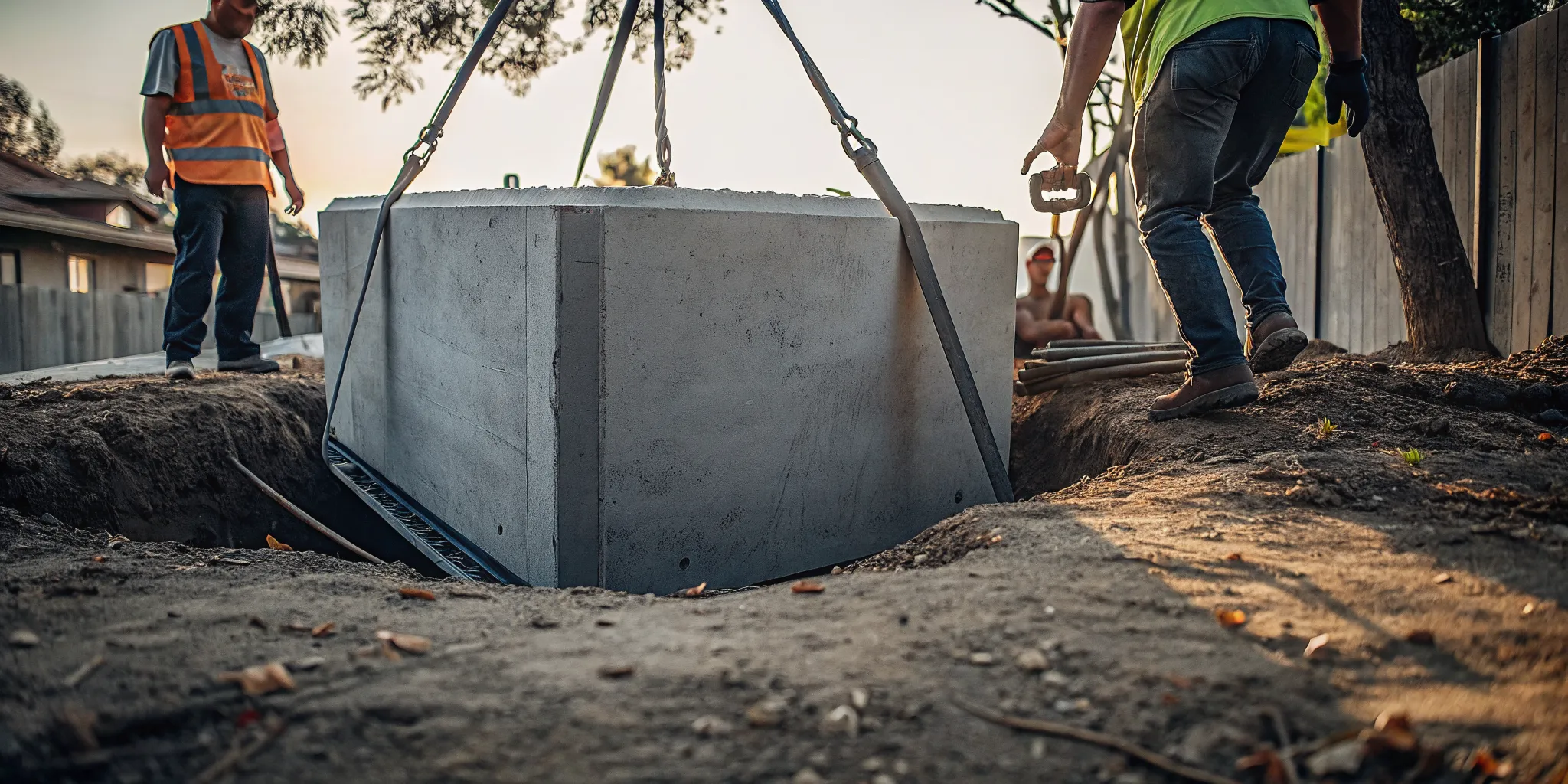
Once you have the permit, the physical work goes fast. Digging the pit and placing the concrete tank usually takes 2 to 5 days. After the crew finishes building, we must call the county hotline to book a final check. Under the county inspection guidelines, booking this check can take up to two business days. During this visit, the inspector checks that all parts match the approved plans. After the inspector signs off, the team covers the tank with soil and finishes the yard. Your new system is then fully ready for daily use.
What does septic system installation cost in Ventura County?
Building a new waste system is a major project for any homeowner. The total price depends on many local factors. These factors include your soil type, lot size, permit fees, and labor rates.
Local rules also dictate which setup you must put in. For instance, a tight lot with little open space makes digging much harder. This space limit requires smaller tools and more time, which raises the final cost.
Key price drivers
Your soil state is the main thing that sets the final bill. If your soil does not absorb water well, you cannot use a simple setup. Deep rock or high groundwater will push prices up.
These site features mean you need more design work and big machines to dig the dirt. A design expert must test the land first before you get a permit. If they find clay or rock, they must plan a more complex drainage field.
Conventional versus other systems
A standard gravity setup is the most budget-friendly option you can buy. For a standard gravity system, a complete septic system installation Ventura County residents choose often runs from $3,000 to $10,000. This setup is simple.
This basic design uses gravity to move wastewater from the tank to the leach lines. If your land requires a special design, the price will rise. Systems like mounds or sand filters cost between $10,000 and $25,000 or more.
These complex setups use pumps or special media to treat waste before it hits the ground. To see all approved setups, visit the Ventura County Environmental Health portal.
Upkeep and bidding tips
Before you start, you must plan for other minor fees. A standard septic tank check costs about $350, while a tank pump-out is around $450. These fees do not cover the build itself. Instead, they help you check your current tank state.
Sometimes, a simple pump-out can save you from a full system rebuild. Because every site is unique, you should get three detailed bids from local experts. Bids should break down the cost of permits, design, parts, and labor. You can contact Conejo Bros Plumbing to schedule an expert site check and get a custom quote for your home.
Request your custom septic design and installation quote now
Frequently Asked Questions
Can I install my own septic system in California?
No, you cannot install your own septic system. California law requires a licensed contractor to perform any septic system installation or repair. According to the Ventura County Resource Management Agency, installers must hold specific state licenses. This includes a C-42 Sanitation System Contractor license to make sure the work is safe and follows local laws.
How much should it cost to install a septic system?
For a conventional gravity system, the cost usually ranges from $3,000 to $10,000. Alternative systems that use mounds or sand filters are more complex and can cost $10,000 to over $25,000. The total price depends on permit fees, soil quality, and design requirements. You should always get multiple itemized bids from licensed professionals before you start.
How long does it take to install a septic system?
The physical installation of a septic tank and disposal field usually takes about two to five days. However, the entire process takes about four to six weeks for simple systems and up to six months for complex ones. According to the Ventura County Environmental Health Division, reviewing and approving the septic system design alone takes about three to four weeks.
How many bedrooms will a 1000 gallon septic tank support?
Under the California Plumbing Code, a 1,000-gallon septic tank is the minimum size allowed and supports a home with up to three bedrooms. If your home has four bedrooms, you will need a 1,200-gallon tank. Homes with five or six bedrooms require at least a 1,500-gallon tank to handle the wastewater volume safely.
What is the best alternative to a septic system?
The best alternative depends on your property’s soil and space. In Ventura County, if your land cannot support a conventional leach field, you can use alternative systems like above-ground mounds or below-ground sand filters. These systems treat wastewater before releasing it, which is ideal for areas with poor soil or high groundwater.
Ready to schedule your septic design and installation?
Putting off a new septic system installation can lead to sudden tank failure, lawn flooding, and expensive emergency plumbing repair bills on your property. Starting soil percolation testing and site design now ensures your local permits are approved before heavy winter rains make digging slow and difficult. Our licensed local crew handles the engineering design and county paperwork, and you can view our detailed septic services to see how we help.
Talk to our septic team about your project today
Our licensed local crew handles the engineering design and county paperwork, from soil testing through final inspection. We will guide you through every step and build a safe, reliable septic system for your Ventura County household.
