


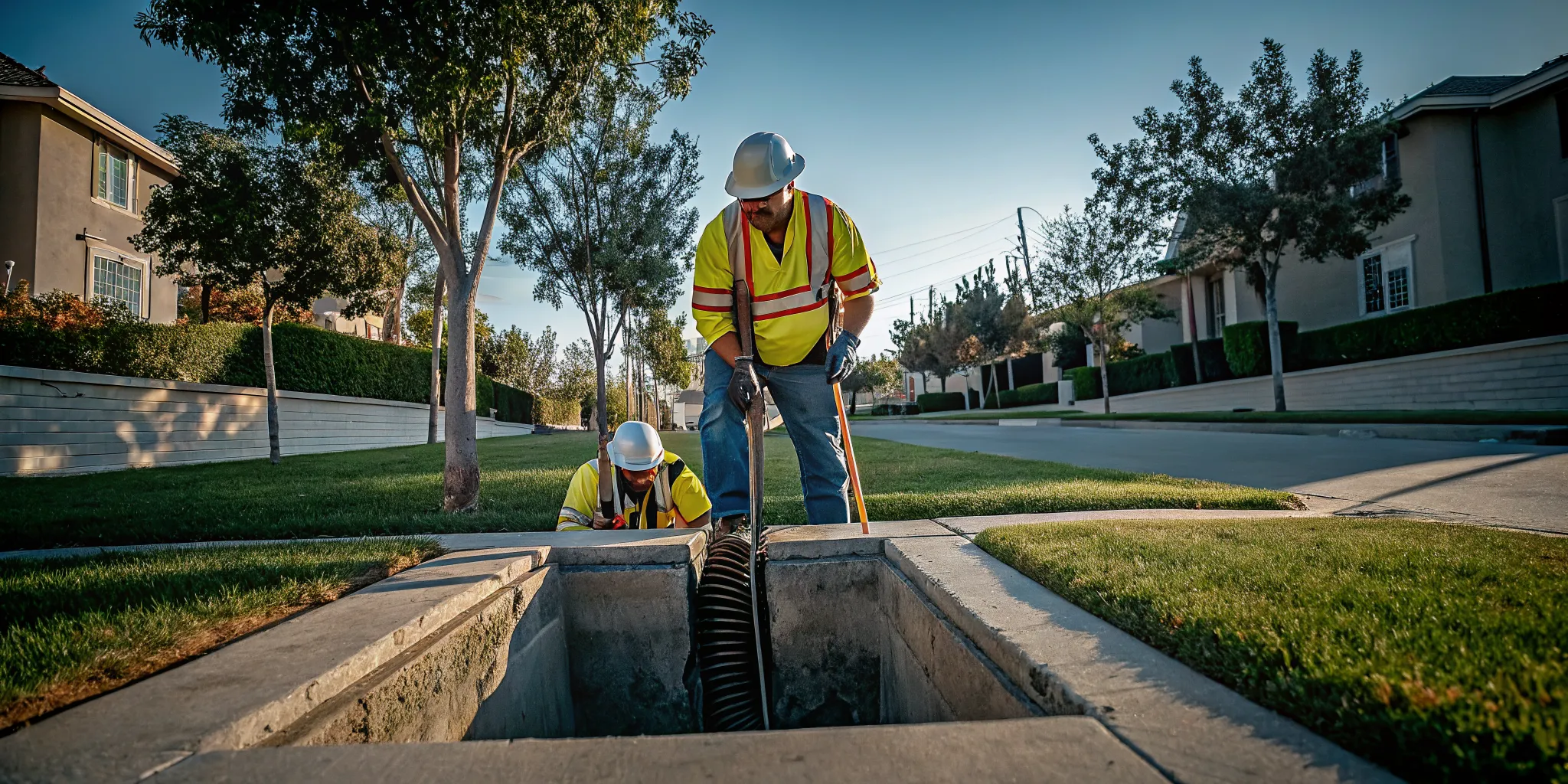
Septic Tank Inspection Thousand Oaks Homebuyer Guide
Buying a home in Thousand Oaks without a septic inspection can leave you responsible for hidden tank, pipe, or drain-field problems after closing. Conejo Bros Plumbing helps buyers understand the system’s condition early enough to make an informed decision and negotiate needed work.
A septic tank inspection Thousand Oaks residents request during a home sale is a full check of the entire waste system. This process helps buyers find hidden cracks, leaks, or leach field failures that a general home inspector might miss. According to the California Water Boards, these onsite systems usually include a storage tank and a soil absorption area that must work together to prevent pollution. During the exam, a pro uses cameras to look inside the pipes and checks the tank levels to see if the system is overfull. Finding these issues early allows you to ask the seller for repairs or a price drop. Skipping this step puts you at risk for sudden backups and costly fines shortly after you move into your new home.
Buying a home is the biggest purchase most people ever make. A septic inspection belongs in your home-buying plan because it protects your budget and gives you clearer facts before closing.
Septic Tank Inspection Thousand Oaks: Why a septic inspection belongs in your home-buying plan
Buying a home in the Conejo Valley is a big step. You likely have a list of tasks like checking the roof or testing the HVAC. If the home uses a septic system, adding a professional check to your plan is a must. A standard home inspection often skips the septic tank and leach field. Without a specific look, you might miss a failing system that costs thousands to fix.
Finding hidden repair costs
Most septic systems consist of a storage tank and a soil absorption area. These parts sit underground and out of sight. A septic tank inspection can find cracks, leaks, or root damage before you close the deal. In California, state rules require owners to fix or replace systems that fail or threaten local water. You can read more about these rules on the State Water Resources Control Board site.
Catching these issues early lets you ask the seller for repairs or a price drop. If you skip this step, you take on all the risk. A new system can be a huge cost that you did not plan for in your budget.
Verifying the tank condition
A professional check does more than just look at the tank. It tests the liquid levels and checks how well the soil absorbs waste. Experts recommend annual checks for most systems to keep them working well. For a septic tank inspection in Thousand Oaks, pros also look for signs of past neglect. If a tank has not been pumped in years, it may have a thick layer of sludge that harms the pipes.
Most tanks in our area need pumping every three to five years to stay healthy. An inspection tells you if the current owner kept up with this work. You can also see if anyone has driven over the leach lines. This type of weight can crush pipes and lead to total system failure. Checking these details now helps you avoid a messy and costly emergency later.
Planning for future care
Once you know the system is in good shape, you can plan for its care. An inspection gives you a map of where the tank and lines are. This is helpful for future regular septic system maintenance and landscaping. You will know exactly where to avoid planting trees or building new structures. Having this data makes you a more prepared homeowner from day one.
What does a septic tank inspection check?
A complete inspection checks the tank, inlet and outlet baffles, waste levels, connected piping, and the surrounding absorption area for signs of leaks, blockages, structural damage, or poor drainage. Conejo Bros Plumbing uses the findings to explain which parts are working, which need maintenance, and which deserve a separate repair evaluation before closing.
The expert testing process
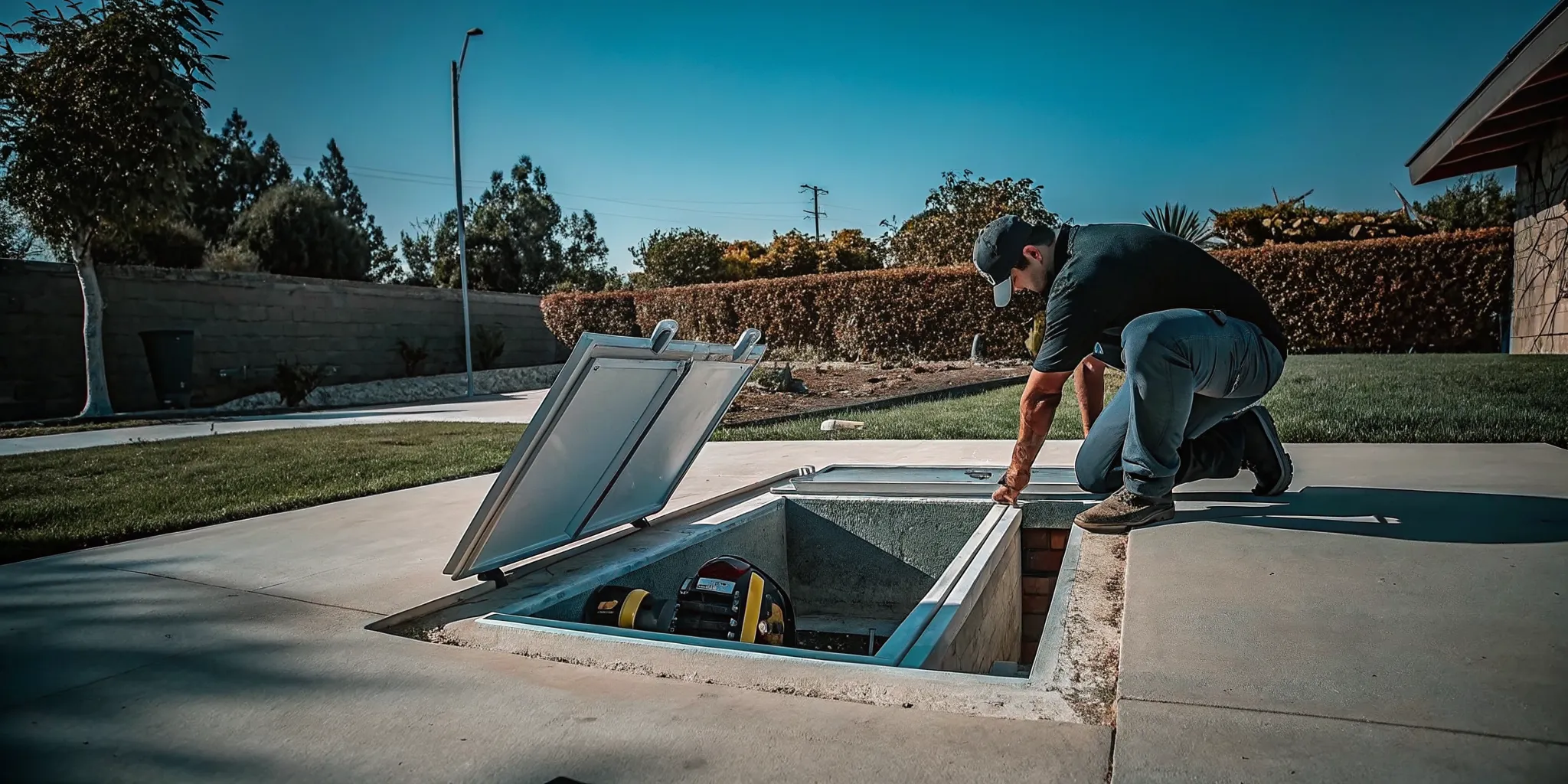
When you book a septic tank inspection, we follow a clear plan. We want to make sure the tank is safe and works well. The process takes about an hour or two. We check both the tank and the yard around it. This is not just a quick glance. It is a deep look at the whole system.
- We locate the tank and uncover the lids to see inside the main chamber.
- We measure the sludge and scum layers to check the waste levels inside.
- We check the inlet and outlet baffles to ensure they are solid and in place.
- We run water from the house to test the flow into the tank and out to the field.
- We look at the drain field area for soggy spots, lush grass, or bad smells.
Why deep system checks matter
An inspection also checks for cracks in the tank walls. If water leaks out, it can harm the soil. The California Water Boards say that systems must stay in good shape to stop leaks. We often use camera tools to look at the pipes. This provides video proof of any issues we find. You can see the state of the pipes for yourself. Experts also look at the leach lines. You should never drive over these lines or the tank itself. Doing so can crush the pipes and stop the system from working. This is a common cause of system failure in Ventura County. A pro check can find these issues early. We check for roots that might be growing into the lines as well.
The value of a clear report
After the check, you get a full report. This report shows the state of the tank and the drain field. It will tell you if you need to pump the tank soon. Most tanks in our area need pumping every three to five years. This is a vital part of regular septic system maintenance. The cost for this expert check is about $350. For home buyers, this report is a must. It helps you know if the system will last for years. It also helps you avoid buying a home with a broken tank. A pro check gives you the facts you need to make a smart choice. We provide clear, honest data so you can plan for the future. You will know if you need to set aside money for repairs or a new system soon.
Inspection vs. pumping vs. sewer inspection
When you buy a home in Thousand Oaks, you must know how the waste lines work. People often mix up septic tests, tank pumping, and sewer checks. Each service helps in a new way to keep your home safe. Seeing the gap between them can save you money and stress later.
Septic inspection and pumping
An expert septic tank inspection in Thousand Oaks costs $350. This test shows if your tank and leach field work well. Pros check for cracks or leaks that could harm the soil. State rules say you should keep your onsite wastewater treatment system in good shape to stop leaks into the ground.
Septic pumping is an other job that costs $450. This service clears the solid waste that builds up over time. Most homes in the area need regular septic system care and pumping every three to five years. Pumping keeps the tank clear but does not always show if parts of the system are broken.
Real estate sewer line checks
A real estate sewer inspection is for homes that use city pipes. This check costs $450 and uses a camera to look inside the main line. It finds tree roots, breaks, or clogs that could block your home drain. This test is key for buyers because it looks at the pipe that goes from the house to the street.
| Service Type | Price | Main Goal | When to Get It |
|---|---|---|---|
| Septic Inspection | $350 | Find system health | Every year |
| Septic Pumping | $450 | Clear waste sludge | Every 3 to 5 years |
| Sewer Inspection | $450 | Check main pipe lines | Before you buy |
How to choose the right service
If the home has a septic tank, you should get a full inspection first. A simple pump out might hide cracks or leach field flaws. For homes on city sewer, a camera test is the best way to find hidden pipe breaks. If you need help choosing, call us at 805-603-1983 to talk with our team. We can help you find the best plan for your next home buy.
When do the leach field or seepage pit need a closer look?
The leach field or seepage pit needs separate evaluation when an inspection finds slow drainage, unusual liquid levels, sewage odors, persistently wet soil, or unusually green growth over the disposal area. These findings can point to an absorption problem even when the tank itself appears sound.
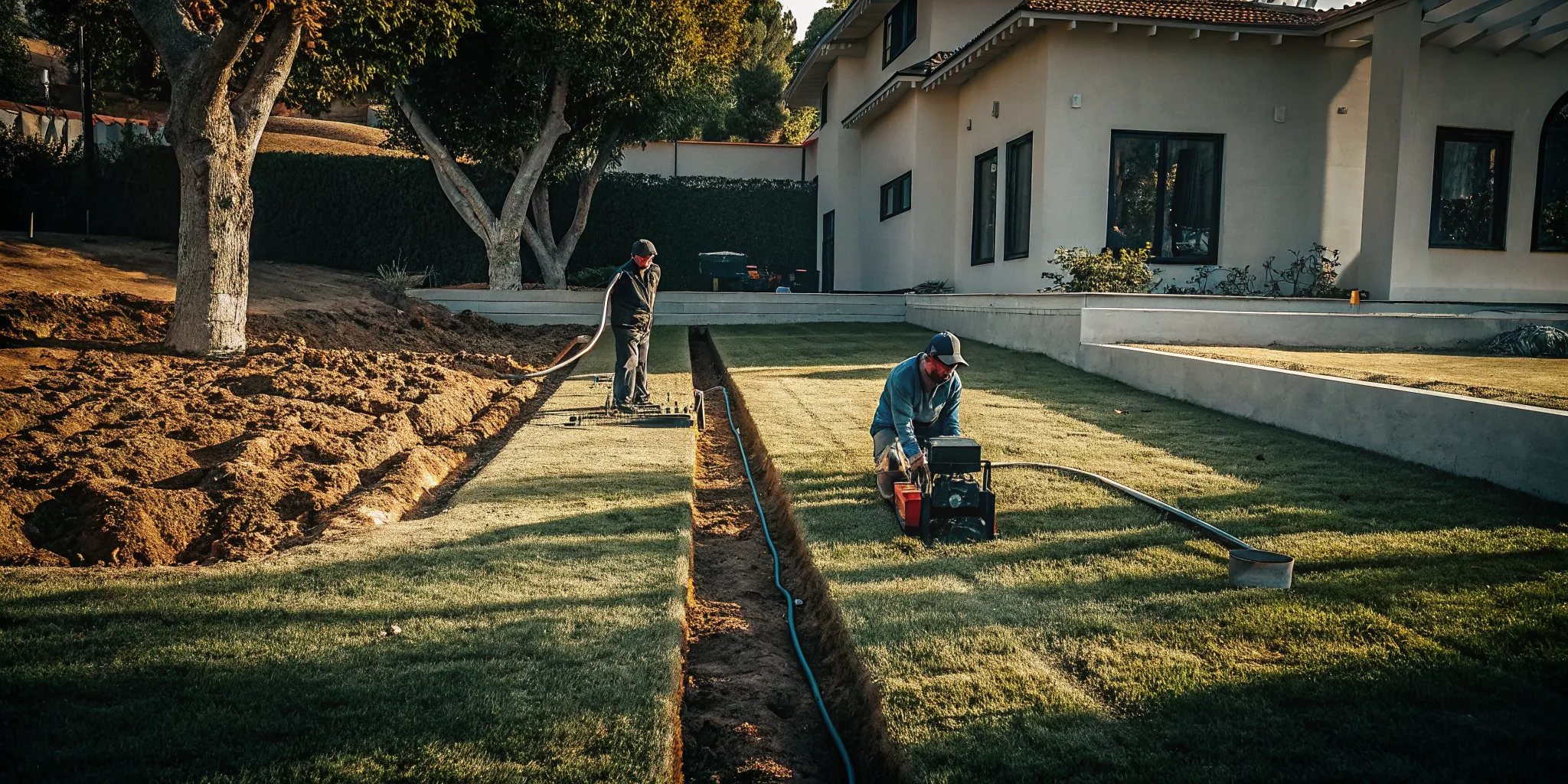
Your septic tank is just one part of a larger system. Most septic systems also have a soil absorption field or a seepage pit. These parts take in the liquid waste after it leaves the tank. If the tank is in good shape, you might think the whole setup is fine. But big problems often hide deep in the ground. A full septic tank inspection must look past the tank to find these issues. If the soil cannot soak up the waste, the tank will soon back up.
Signs of a failing drain area
You can often spot signs of trouble by looking at your yard. Look for patches of grass that are much greener or taller than the rest of the lawn. This happens when the field gets too much liquid or waste. You might also find wet spots or muddy soil, even when it has not rained. These signs show that the earth can no longer soak up the waste. This is a clear sign that the system is under stress.
Bad smells are another big warning sign for owners. If you smell sewage near the leach field, the system is likely failing. In some cases, waste may even back up into the house drains. If you see these red flags, you need a septic tank inspection in Thousand Oaks right away. Catching these problems early can prevent a total failure and keep your yard safe for your family.
Why a healthy tank can hide deep problems
A tank that looks solid does not mean you have a working system. The tank’s main job is to hold solids and let liquids pass through. If the soil field is clogged, the liquid has nowhere to go. This can happen even if you pump the tank often. Over time, grease can plug the pores in the soil. This stops the flow and leads to a backup. It may take years for these clogs to cause a major break.
Roots from trees can also grow into the pipes and cause blocks. Heavy cars driving over the field can crush the lines too. These issues do not show up during a simple tank check. That is why a pro will use drain cameras to see deep into the lines. They check the flow and the state of the soil to make sure the system works. Without this check, you might miss a crushed pipe that will cause a leak.
Getting a full picture before you buy
If you are buying a home, you must know the state of the whole septic system. A failing leach field is very costly to replace. In fact, state rules often force owners to fix systems that could hurt the local water. You do not want a big repair bill after you move in. A deep check gives you the facts you need to make a smart choice. It helps you see what is happening below the grass before you sign any papers.
A full report will show the health of the tank and the drain area. It gives you peace of mind and helps you plan for regular septic system maintenance. Knowing the limits of the system helps you avoid high costs down the road. It also keeps your yard clean and safe. An expert can tell you if the system can handle a larger family or if it is near its end.
What should you do if the inspection finds a problem?
An inspection problem does not automatically mean you should abandon the purchase. First, identify whether the finding calls for routine pumping, a targeted repair, or separate evaluation of the tank, leach field, or seepage pit. Then use the written findings and estimates to discuss repairs or credits with the seller.
Finding a problem during a septic tank inspection can feel like a setback. But it is better to find these issues now than after you buy the home. A clear report helps you know the health of the system. It also gives you a path for next steps, like repairs or care. Many issues are common and can be fixed with the right help.
Common issues found during inspections
Most problems found during a septic tank inspection in Thousand Oaks fall into a few groups. One common finding is a tank that is too full of solids. This often means the system needs a pump-out. Other issues may be major, like cracks in the tank or root growth. Roots from nearby trees can enter pipes and block the flow of waste. This can lead to backups or even a system failure.
The inspection might also find issues with the drain field. This part of the system is vital for cleaning waste water. If the soil is too wet or “soggy,” the field may not be working well. This often happens if the tank has not been pumped in a long time. These problems can be big, so you should look at the report with a pro. We give video proof of what we find so you can see it for yourself.
Deciding on repairs or upkeep
Once you have the report, you must choose how to fix the issues. Some items are part of usual septic system care. One task is pumping the tank every few years. If the tank is full but still in good shape, a pump-out may be all you need. This is a low-cost fix that keeps the system running well.
Other problems need more work. You may need to repair a pipe or replace a broken lid. In some cases, the whole system might need a change. State rules say that a septic system must be repaired if it fails or puts water at risk. A pro can help you tell a simple fix from a major failure. They can give you a quote for the work so you know the cost.
Next steps for home buyers
If you are buying a home, the inspection report is a key tool. You can use the facts to talk with the seller. You might ask them to fix the issues before you close. Or, you could ask for a lower price so you can pay for the work later. Having a pro look at the system gives you the facts you need for these talks. It takes the guesswork out of the deal.
Make sure you keep a copy of the report and any repair receipts. These papers are helpful for your own records and for future buyers. If you need a septic tank inspection in Thousand Oaks, our team can help. We focus on clear facts and honest service to help you make the best choice. For help with any septic or sewer needs, you can call us at 805-603-1983.
Book Conejo Bros Plumbing early in escrow so you have time to review findings before closing.
How to prepare for a septic tank inspection in Thousand Oaks
Prepare by locating septic records, confirming access to the tank lids, clearing the surrounding area, and scheduling early enough to review the report during your contingency period. Conejo Bros Plumbing can then focus the visit on accessible system components and explain any follow-up evaluation the findings support.
A home sale moves fast. You must act quickly to set up your septic tank inspection. Finding a local expert who knows the soil in the Conejo Valley is key. A good check finds hidden issues before you close the deal. This step keeps your new home safe from waste leaks and big repair bills.
Check your records and access
You should find the septic maps for the house first. These plans show where the tank and the drain field sit on the lot. If you do not have them, ask the seller or check with the county. Clear the area around the tank lids so the crew can get to them fast. You must also keep cars and heavy gear off the leach lines to prevent system damage during the site visit.
Steps for a smooth inspection
Follow these steps to get a full report on the health of the system. This list helps you work with the seller and your inspector to avoid delays during your due diligence period.
- Schedule early in the sale: Most sales have short windows for checks. Book your septic tank inspection in Thousand Oaks as soon as the seller says yes to your offer.
- Gather past service logs: Ask for proof of the last time the tank was pumped. Most tanks in our area need a pump out every three to five years to stay in good shape.
- Verify the inspection scope: Ensure the pro will check the tank, the baffles, and the leach field. A full check looks at how the onsite wastewater system handles flow.
- Coordinate with other pros: If you need a sewer scope or a home check, try to book them at the same time. This saves you time and ensures all experts can talk about what they find.
- Keep the final report: You will need the signed report for your loan and for your own records. A clear report proves the system works well or shows what repairs you must ask the seller to fix.
Review the results carefully
Once the check is done, read every line of the report. Look for signs of back ups or cracks in the tank. If the pro finds a problem, you may need to ask for a repair credit. It is better to find these flaws now than to deal with a failing system after you move in. Call Conejo Bros Plumbing at 805-603-1983 if you have more questions about your results.
Frequently Asked Questions
How often should a septic tank be inspected in Thousand Oaks?
Based on local experts and the California Water Boards, you should have your septic system checked once a year. Normal checks find small issues before they turn into big leaks or breaks. Most tanks also need to be pumped out every three to five years to keep them working well. Staying on top of this plan keeps your home safe and keeps local ground water clean from waste.
How much does a septic tank inspection cost in Thousand Oaks?
A trained septic system check in the local area often costs about $350. This price covers a full look at the tank and its parts to make sure they work. If you need a sewer line check for a real estate deal, that service is about $450. These prices help you plan your budget when you buy a new house. You can find more facts on current rates on our pricing page.
Why is a septic tank inspection important before buying a home?
Buying a home with a bad septic tank can cost you thousands of dollars in repairs later. A pro check helps you find hidden cracks, leaks, or clogs before you sign the final papers. Experts at the California Environmental Management state that driving over leach lines can cause major damage. A pro check gives you the facts you need to ask the seller for fixes or a lower price before the sale is done.
What are signs that a septic system needs inspection or repair?
You might spot slow drains, gurgling sounds in your pipes, or bad smells near the tank. Water or bright green grass over the leach field are also big red flags. If you see these signs, you need a pro to check your system right away. A Conejo Bros Plumbing septic inspection can help locate the source of the warning signs and identify the appropriate next step. Fixing these issues fast stops waste from backing up into your home or leaking into the yard.
Ready to find the facts about your new home’s septic system?
Skipping a septic check when you buy a home in Thousand Oaks is a risky move that often leads to high repair costs and stress. Booking a pro to look at the tank now helps you find hidden leaks and talk to the seller about price changes before the sale. Starting this check early in the escrow period ensures your deal stays on track and you do not face any surprises on move-in day. Our team gives you the clear facts you need to make a smart choice for your family and your wallet with total peace of mind.
Ready to move forward with your home purchase? Call 805-603-1983 to schedule a septic tank inspection today.
