


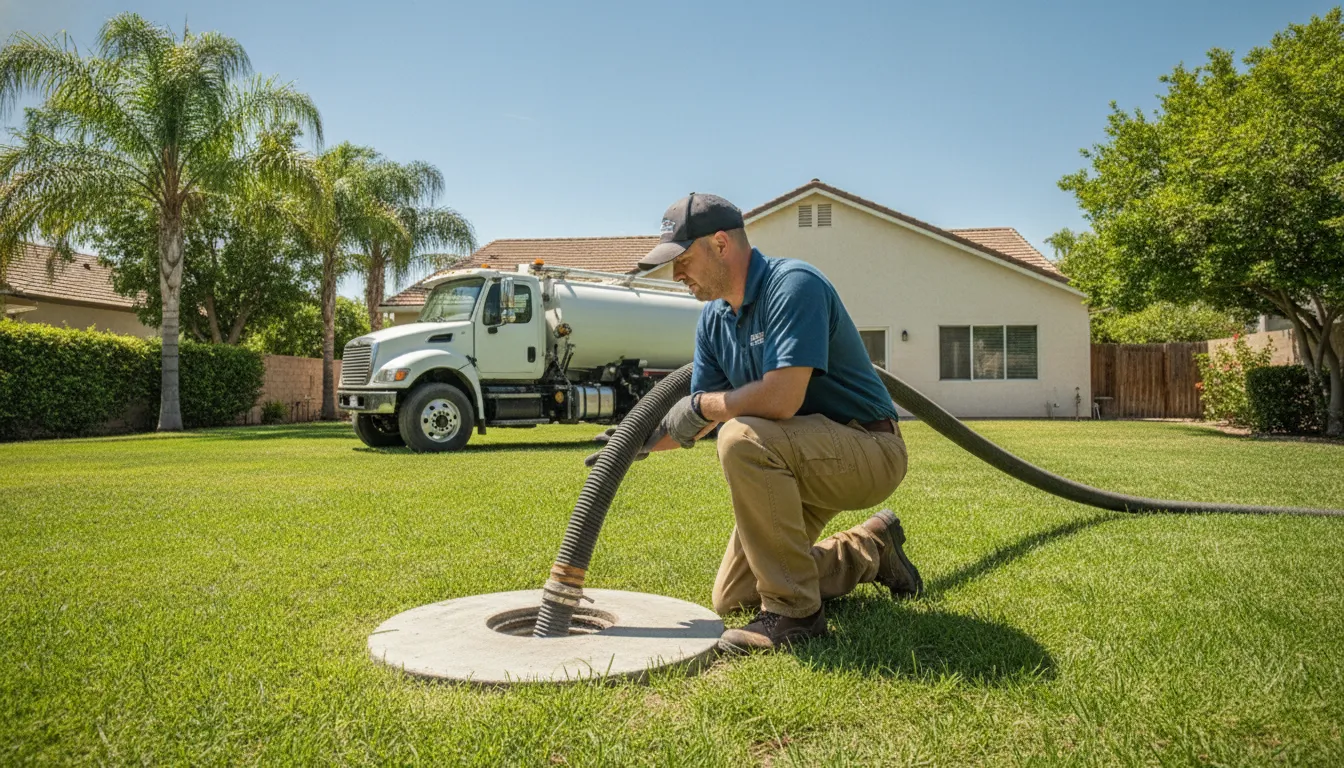
Septic Tank Pumping Cost Ventura County: What to Expect
Septic service pricing is easier to plan when you know what a routine pump-out should include and what can change the quote. For Ventura County homeowners, the right comparison is not only the lowest advertised number. It is a clear scope of work, straightforward access expectations, and a provider who can explain the system before recommending extra service.
The septic tank pumping cost ventura county homeowners can expect from Conejo Bros Plumbing is a transparent flat rate of $450 for a standard septic tank pump-out. That gives you a practical starting point when budgeting for routine waste removal and system care.
Conejo Bros Plumbing serves Thousand Oaks, the Conejo Valley, and Ventura County with a diagnostics-first approach. For broader maintenance context, see our Septic Tank Service and Maintenance Guide for Ventura County Homeowners. Next, we will compare the local market range with this flat-rate option and explain what the numbers mean for your property.
Average Septic Tank Pumping Cost in Ventura County
When comparing septic tank pumping cost ventura county quotes, start by separating a predictable pump-out from a broad market estimate. Conejo Bros Plumbing offers a flat-rate $450 septic pump-out for customers in Thousand Oaks and surrounding Ventura County communities. A flat rate gives you a useful planning number before service, rather than leaving the final price unclear until the truck arrives.
For broader context, published local pricing data places the average Ventura septic pumping cost between $411 and $538. The wider range can run from $219 to $879, depending on the system and its condition. That spread does not mean every homeowner should expect the highest figure. It shows why tank access, system size, service conditions, and the exact work included in the quote matter. Compare the scope of service alongside the dollar amount.
A quote should make clear whether it covers pumping the tank only or includes additional inspection work. If the tank is difficult to locate, access is restricted, or a problem is discovered during service, those details may affect the work required. Ask what the flat rate includes, whether access preparation is your responsibility, and how any recommended repair would be priced separately.
Why routine pumping is the lower-cost option
The Environmental Protection Agency reports that regular septic system maintenance costs about $250 to $500 every three to five years. The agency also notes that repairing or replacing a malfunctioning conventional system can cost $5,000 to $15,000. Actual costs vary by system, property, and local requirements, but the comparison explains why routine maintenance is more than a recurring bill. It is a way to address solids before a preventable problem becomes a major repair.
Pumping frequency is not identical for every home. Household size and tank capacity affect how quickly solids accumulate, so your service history and system records should guide the schedule. If you are unsure what your property needs, review the Septic Tank Service and Maintenance Guide for Ventura County Homeowners for a broader overview of care, warning signs, and planning.
When you request a quote, give the technician any available tank records. The last pumping date, and information about slow drains, odors, or unusually wet areas near the drainfield. Those details help establish whether you are scheduling routine maintenance or responding to a developing concern. For a straightforward budget starting point, Conejo Bros’ $450 flat-rate pump-out provides a clear local benchmark.
What Affects Septic Pumping Price: Tank Size, Access, and Frequency
A septic pumping quote depends on more than the truck arriving at your property. The tank’s capacity, how easily the crew can reach its openings, and whether the tank is overdue all affect the time and work involved. Understanding these factors helps you compare estimates fairly and avoid surprises when you schedule service in Ventura County.
Tank size changes the volume of work
Residential septic tanks are commonly sized at 500, 1,000, or 1,500 gallons. A larger tank holds more wastewater and solids, so it can require more pumping time and disposal capacity. Tank size also affects maintenance timing because the number of people using the home and the size of the system work together. The EPA notes that pumping frequency depends on both household size and tank size, rather than on a single schedule that fits every property. The EPA’s septic maintenance guidance explains why system-specific planning matters.
If you do not know your tank size, check old service records, property documents, or permit records before assuming. A professional can also help identify the tank and its access points without guessing from the home’s square footage alone.
Access can add labor to the visit
An exposed, clearly marked lid is usually quicker to service than a tank that is difficult to locate. Buried lids, deep risers, landscaped areas, narrow driveways, steep grades, or hard-to-reach cleanouts may require additional locating, digging, setup, or hose distance. Those conditions do not necessarily mean a problem with the septic system, but they can increase the labor required to complete the pump-out safely.
Before requesting an estimate, tell the plumber whether the lids are visible, how deep they are, and whether the service area is accessible to a pumping truck. If you cannot find the tank, do not excavate blindly. The EPA says a septic professional can walk the property and determine where the system components are located. This information can make the quote more accurate before work begins.
Frequency affects condition and total cost
Many typical household systems are pumped every three to five years, but the right interval depends on occupants, tank size, water use, and system design. Homes with heavier use, additional bedrooms, frequent entertaining, or holding-tank arrangements may need service more often. Waiting until wastewater backs up can mean a slower, messier visit and may increase the chance that solids have moved toward the drainfield.
Maintenance also protects more than the plumbing. The EPA reports that a well-maintained, properly working septic system removes most disease-causing bacteria, viruses, and high levels of nitrogen and phosphorus from household wastewater. Pumping on an appropriate schedule helps preserve that treatment function and reduce the risk of contamination.
Conejo Bros Flat-Rate $450 Septic Pump-Out: What’s Included
When you are comparing septic tank pumping cost in Ventura County, the number on the estimate matters, but so does knowing what that number covers. Conejo Bros Plumbing uses a clear, flat-rate price of $450 for a septic tank pump-out, helping homeowners plan for routine service without guessing which basic steps will appear as extra charges later.
The service is designed for properties in Thousand Oaks, the Conejo Valley. And throughout Ventura County that rely on an onsite wastewater treatment system instead of a public sewer connection. Conejo Bros approaches septic work with the same diagnostic-first, straightforward process it brings to drain and sewer services.
What the $450 pump-out typically covers
A standard pump-out is focused on removing accumulated solids and wastewater from the septic tank so the system can continue operating as intended. The flat rate typically covers:
- Pumping the septic tank and removing its accumulated contents.
- Accessing the tank through its available access points or lids.
- Transporting and disposing of the pumped material as part of the service.
Access conditions can vary from one property to another. If the tank is difficult to locate or requires work beyond normal access, the technician can explain the situation before additional work is performed. That upfront conversation is important because a pump-out and a full diagnostic inspection are related services, but they are not the same service.
Inspection is a separate option
Some homeowners want more than routine waste removal. Conejo Bros offers a full septic inspection as a separate $350 add-on. This inspection includes camera inspection of the sewer line and the septic tank lids, giving you additional information about the condition and layout of the system. It can be especially useful when you are investigating a recurring problem, preparing for a property transaction, or unsure whether pumping alone addresses the concern.
Keeping the services separate makes the estimate easier to understand. You can request the $450 pump-out when routine maintenance is the goal, or ask about the $350 inspection when you need a closer look at the system. For broader maintenance planning, review the Septic Tank Service and Maintenance Guide for Ventura County Homeowners.
Request your flat-rate septic pump-out today and ask which service scope fits your property, whether you are in Thousand Oaks or another Ventura County community.
Hidden Fees to Watch for When You Get a Septic Pump Quote
A low starting price does not always tell you what the final invoice will be. When comparing the septic tank pumping cost ventura county homeowners may see, ask whether the quote covers the access work, pumping, hauling, disposal, and documentation you actually need. A clear quote should identify any condition that could change the price before work begins.
Use this checklist when reviewing an estimate. The items in the left column may appear as add-ons in a typical quote. The right column shows what to clarify when a company presents a flat-rate service.
| Possible add-on | What to verify in the quote |
|---|---|
| Fuel, hauling, or disposal surcharge | Ask whether travel, pumping, transport, and disposal are already included. A quote that leaves disposal separate can look affordable until the final invoice. |
| Hard-to-reach or deeply buried lids | Confirm the price assumes ordinary access, then ask what happens if the lids are buried, covered by soil, or difficult for the truck and hose to reach. Any extra excavation or access work should be explained and approved first. |
| Weekend or emergency service | Get the service window and after-hours policy in writing. If urgency changes the rate, the quote should show that charge rather than leaving it as a surprise. |
| Inspection or camera upcharge | Separate pumping from inspection. If you want an inspection, confirm whether it includes a camera review, what components are examined, and whether the inspection is optional. |
| Unstated repair recommendations | A pump-out quote should not silently become a repair bill. Ask the technician to document any observed concern and provide a separate estimate before additional work. |
| Conejo Bros flat-rate pump-out | Conejo Bros lists septic tank pumping at a transparent $450 flat rate. Confirm the service details when scheduling, and ask before approving anything outside the quoted scope. |
For context, a Ventura-area pricing reference reports an average range of $411 to $538, with wider estimates from $219 to $879 depending on system size and condition. Those numbers are useful for comparison, but they are not a substitute for a written scope. A flat rate gives you a clearer starting point and makes it easier to spot a genuine access or system issue instead of an unexplained add-on.
If you need more than pumping, Conejo Bros also lists a septic inspection at $350, including camera inspection of the sewer line and septic tank lids. Treat that as a distinct diagnostic service, not an automatic fee bundled into every pump-out. Ask what you are paying for, what is included, and whether you will receive findings in writing.
Is a Septic Inspection Included in a Pump-Out? What to Ask
Usually, no. A basic pump-out removes accumulated solids and liquid from the septic tank, but it does not automatically include a complete evaluation of the system. If you are comparing septic tank pumping cost in Ventura County, ask whether the quote covers pumping only or includes a separate inspection.
A pump-out can be the right routine maintenance step, especially when the tank is due for service. An inspection is more useful when you are buying or selling a home. Dealing with recurring backups, noticing odors or wet areas, or unsure about the condition of an older system. It gives you information that a truck receipt alone cannot provide.
What a proper septic inspection adds
Conejo Bros Plumbing offers a separate septic tank inspection for $350. The service includes a camera inspection of the sewer line and septic tank lids. A thorough inspection should also look for visible cracks or damage, measure sludge depth, and assess signs that the drainfield may not be accepting wastewater properly. Those details help distinguish a routine pumping need from a developing repair concern.
The inspection does not replace pumping when the tank is full. Instead, it adds condition information so you can make a better decision about maintenance or repairs. If you need background on timing before scheduling either service, review this guide on how often to pump your septic tank.
Questions to ask before hiring a provider
- Is the quoted price for pumping only, or is an inspection included?
- Will you inspect the sewer line with a camera?
- Will you open and check the septic tank lids and access points?
- Will you check for cracks, structural damage, and unusual sludge levels?
- Will you note signs of drainfield stress, standing water, odors, or unusually green areas?
- Will I receive a written summary of what you found and any recommended next steps?
- Are inspection or repair costs separate from the pump-out price?
Getting these answers in writing makes quotes easier to compare and reduces surprises on service day. For a straightforward maintenance visit, ask for the pump-out rate. If you need condition information as well, request the inspection as a separate line item so you know exactly what the service includes.
How Often Should You Pump Your Ventura County Septic Tank?
For a typical single-family household, septic tank pumping every three to five years is a practical starting point. That schedule is not a universal rule. The right interval depends on how many people live in the home, the size of the tank, the system design, and how heavily the plumbing is used. The EPA specifically notes that household size and tank size affect pumping frequency. A larger family using more water can fill a tank faster than a smaller household with the same tank capacity.
Heavy usage calls for a shorter interval. Homes with several occupants, frequent guests, additional bathrooms, or a high volume of laundry may need service more often than the three-to-five-year range. Holding tanks and some alternative systems also require more frequent attention. If you recently moved into a home and cannot confirm the last pump-out, treat the tank as overdue until a professional checks its condition and service history.
Why waiting too long becomes expensive
As solids accumulate, less usable capacity remains in the tank. Eventually, sludge can move toward the drainfield, where it may restrict soil absorption and contribute to clogging. Slow drains, sewage odors, unusually wet areas, or greener grass near the drainfield are reasons to schedule an evaluation rather than wait for a backup.
Routine maintenance is far less expensive than recovering from a failed system. The EPA reports that regular maintenance and pumping every three to five years can cost about $250 to $500. Compared with roughly $5,000 to $15,000 to repair or replace a conventional system. A neglected system can also allow poorly treated wastewater to contaminate groundwater or nearby surface water. Proper maintenance helps remove most disease-causing bacteria, viruses, and excess nitrogen and phosphorus from household wastewater when the system is working properly. Read the EPA’s septic maintenance guidance.
For a more detailed planning framework, see our guide to how often to pump your septic tank. If your schedule is uncertain, a tank inspection can establish a safer maintenance plan based on your household and system rather than an arbitrary calendar date.
Frequently Asked Questions
How much does septic tank pumping cost in Ventura County?
Local pricing varies with the tank, access, and condition. Conejo Bros Plumbing charges a flat $450 for a standard septic tank pump-out. For context, one Ventura-area pricing source reports an average range of $411 to $538. With broader reported costs from $219 to $879 depending on the system and job conditions: Ventura septic pumping cost data.
How often should I have my septic tank pumped?
Many typical household systems are pumped every three to five years. But the right schedule depends on tank size, the number of people in the home, water use, and system design. Homes with heavier use or holding tanks may need service more often. The EPA explains that pumping frequency varies with household occupancy and tank size: EPA septic maintenance guidance.
What factors influence septic pumping costs?
The main factors are tank capacity, the location and depth of the access lids. How easily a service truck can reach the tank, and whether the tank or drainfield shows signs of trouble. A difficult-to-find tank or additional inspection can change the total. Ask what the quoted price includes before work begins.
What are the signs that a septic tank needs to be pumped?
Slow drains, sewage odors near the tank or drainfield, and unusually wet or greener grass over the drainfield can indicate that the system needs attention. These symptoms can also point to a blockage or other failure, so do not assume pumping alone will solve the problem. Arrange a professional assessment promptly, especially if wastewater is surfacing.
Ready to Request Your Septic Pump-Out?
A clear, flat-rate quote can make planning routine septic care easier. Conejo Bros Plumbing offers a $450 septic tank pump-out for Ventura County homeowners. Request your flat-rate $450 septic pump-out today and take the next step with a straightforward service request.
