


Pipe Descaling Ventura County: An Older-Home Guide
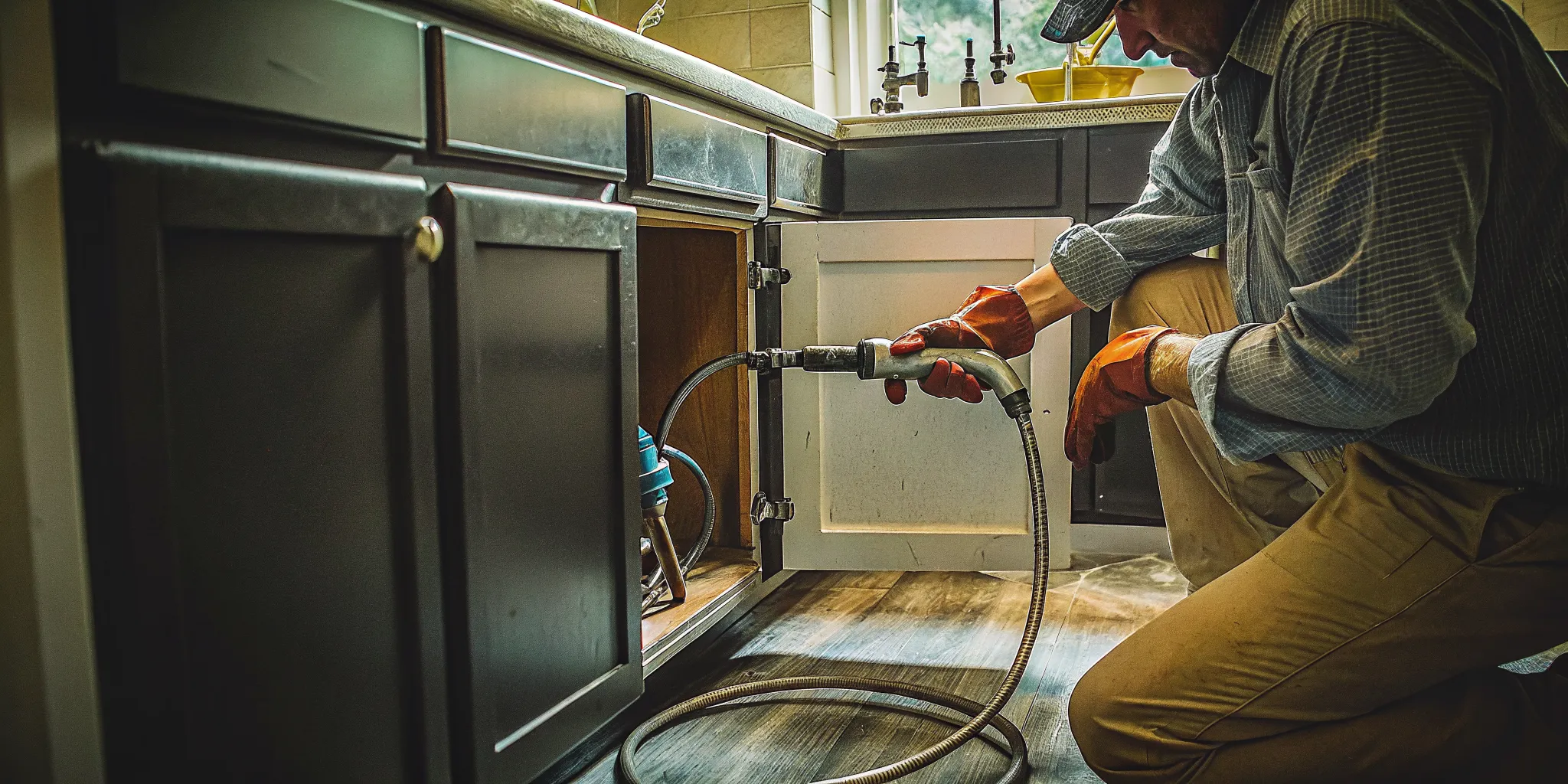
A drain snake may open a path through a clog, but it cannot make a rough, scaled cast iron pipe smooth again. For owners of older local homes, that difference matters. Pipe descaling Ventura County service removes stubborn rust and mineral buildup from inside a drain or sewer line after an inspection confirms that the pipe can safely be cleaned. The goal is not simply to get water moving today. It is to address the rough interior surface that keeps catching waste and contributing to repeat backups.
Schedule a Pipe Camera Inspection With Conejo Bros Plumbing
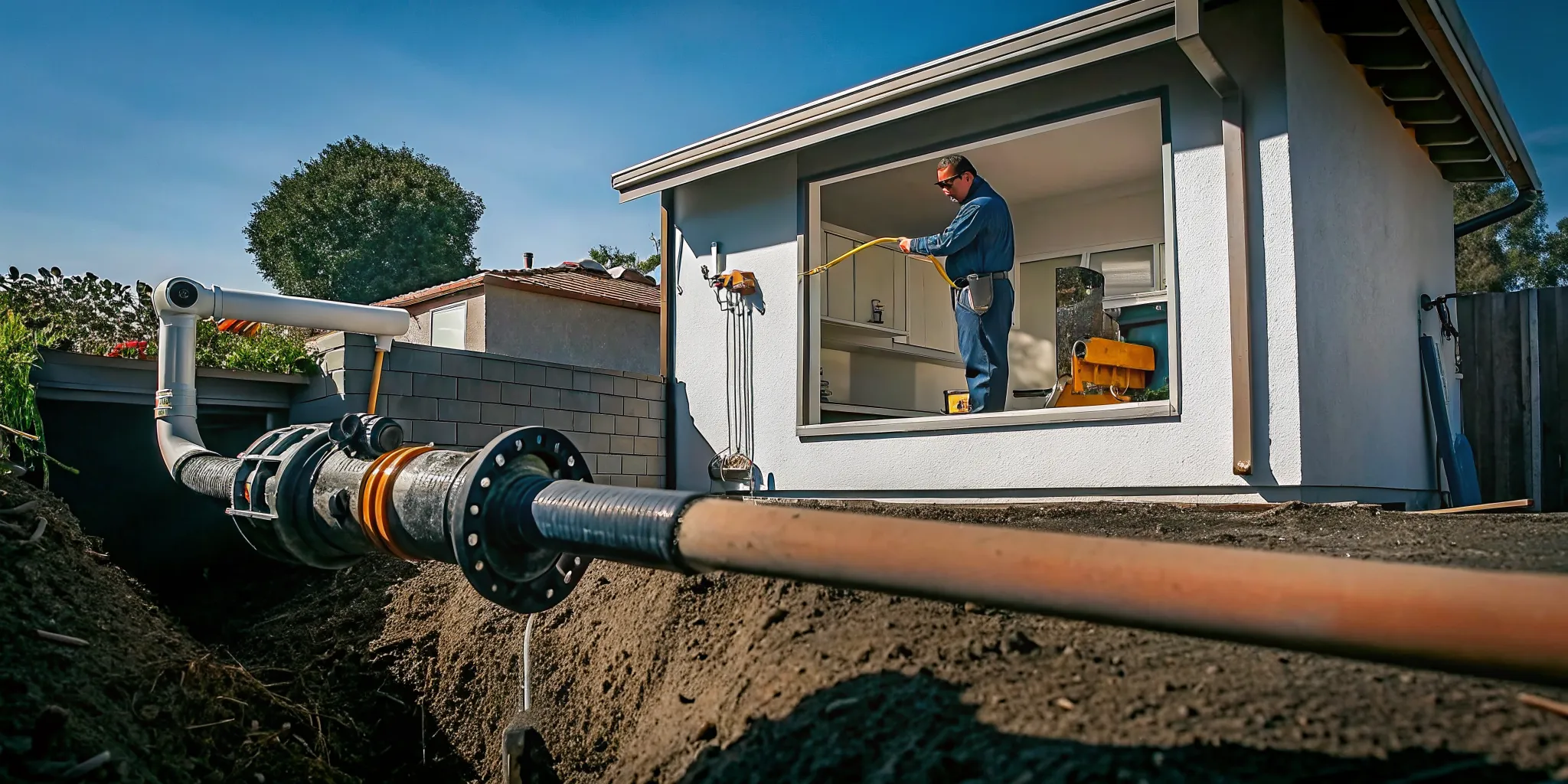
Pipe descaling is a professional cleaning process for buildup inside aging drain and sewer lines. Depending on the condition and material of the line, a plumber may use controlled mechanical tools, hydro jetting, or a combination of methods to remove scale. A camera inspection should come first because a badly cracked, collapsed, or thin pipe may need sewer repair services instead of aggressive cleaning.
Ventura County has homes from many building eras, and the right solution depends on what is actually inside the line. Conejo Bros Plumbing uses video diagnostics to separate ordinary blockage problems from scale, roots, damage, and other defects. Here is how to recognize a likely scale problem and make a more informed decision about cleaning or repair.
How Does Pipe Descaling Work in Ventura County Homes?
Descaling removes the hard, uneven deposits that reduce the usable diameter of a pipe. Inside old cast iron, corrosion can create rough flakes and ridges. Grease, paper, hair, and other debris then catch on those surfaces instead of traveling freely. Mineral buildup can produce a similar restriction in some lines.
The process begins with access to the affected drain or sewer line. A technician clears enough of any active obstruction to inspect the interior, then records what the camera reveals. If the pipe is a suitable candidate, the technician selects a cleaning approach that matches its material, diameter, access, buildup, and structural condition.
Mechanical descaling and controlled cleaning
Mechanical descaling equipment uses a rotating cable or flexible shaft with specialized cleaning heads. The tool breaks loose hard deposits while the operator controls its speed and contact with the pipe wall. This approach is different from pushing a basic snake through the middle of a clog. The objective is to work on the buildup along the pipe’s inner surface.
Hydro jetting for compatible drain lines
Professional hydro jetting uses high-pressure water and selected nozzles to wash away debris, grease, mineral deposits, and some roots. Conejo Bros Plumbing’s jetting equipment can operate at pressures up to 4,000 psi, but maximum pressure is not appropriate for every pipe. The technician adjusts the setup to the line that the camera shows.
Neither method should be treated as an automatic choice for every older home. Cast iron can be heavily scaled yet structurally usable, or it can be too deteriorated for cleaning alone. That is why inspection, diagnosis, and a condition-based plan matter more than the name of a tool.
What Are the Signs Your Pipes May Need Descaling?
One slow sink does not automatically point to scale. A local fixture blockage may be the simpler explanation. Scale becomes more likely when an older drain or sewer line shows a recurring pattern, especially after conventional clearing provides only short-lived relief.
- Repeat backups: The same line clogs again after it was recently cleared.
- Several slow drains: Multiple fixtures connected to the same branch or main line drain poorly.
- Rough pipe walls on video: Camera footage shows flaky corrosion, hardened deposits, or a narrowed opening.
- Catch points: Waste repeatedly hangs up at the same section even when no single object is present.
- Older cast iron piping: The home’s plumbing age and material make internal corrosion a realistic concern.
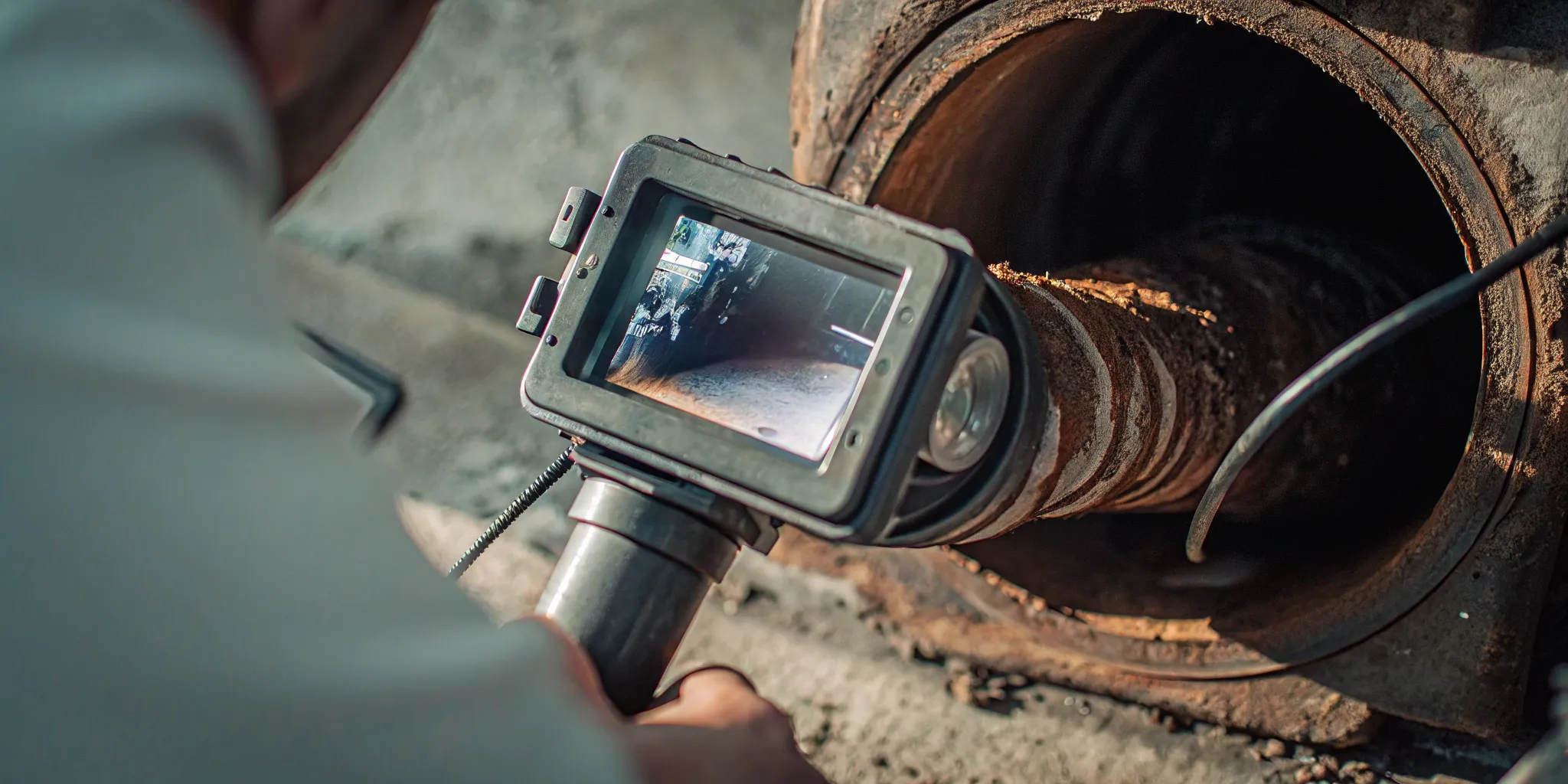
Gurgling, odors, and backups can also come from roots, bellies, broken connections, or ventilation problems. Symptoms tell you where to investigate; they do not prove the diagnosis. A drain camera inspection helps identify scale buildup as well as breaks, collapses, corrosion, misalignment, and root intrusion.
Why recurring clogs deserve a closer look
A snake can punch through soft material and restore some flow without removing the surrounding scale. The line then remains narrow and rough, so new debris has an easy place to collect. If the same drain keeps failing, ask to see the post-clearing camera footage rather than assuming another identical clearing will solve the underlying condition.
When to call for urgent help
Stop using affected fixtures when wastewater is backing up into the home, several drains stop at once, or sewage appears near a cleanout. Those conditions can quickly cause property damage and sanitation problems. Conejo Bros Plumbing is available 24/7 for urgent drain and sewer needs at 805-603-1983.
Pipe Descaling vs. Drain Clearing and Hydro Jetting
Drain clearing, hydro jetting, and descaling overlap, but they are not interchangeable. The best choice is the least invasive method that addresses the verified cause while respecting the pipe’s condition.
| Service | Primary purpose | Often suited for | Inspection role |
|---|---|---|---|
| Drain clearing | Open a blockage and restore flow | Isolated clogs and stoppages | Helps reveal why the clog formed |
| Hydro jetting | Wash debris and buildup from compatible lines | Grease, sludge, mineral deposits, and some roots | Confirms the pipe can handle the selected approach |
| Mechanical descaling | Remove hard scale from pipe walls | Rough, restricted cast iron with suitable structure | Guides tool choice and identifies weak areas |
| Pipe repair or restoration | Correct structural defects | Cracks, failures, severe deterioration, or recurring damage | Defines the damaged section and repair plan |
A basic drain clearing service may be all that is needed for a straightforward obstruction. If the camera shows stubborn wall buildup in a sound line, descaling or jetting may offer a more complete cleaning. If it shows structural failure, further cleaning cannot replace the missing strength of the pipe.
Ask Conejo Bros Plumbing Which Cleaning Method Fits Your Pipe
Why an estimate should follow diagnosis
Access, pipe diameter, length, buildup, and condition all affect the work required. A clear diagnosis gives homeowners a useful basis for comparing recommendations. Ask what the camera showed, what method is proposed, which sections will be treated, and what the post-service inspection should confirm.
What Happens During a Professional Descaling Visit?
A careful descaling visit is a measured process, not an aggressive tool pushed blindly through an old line. The exact sequence changes with the property and findings, but a professional workflow usually includes these steps:
- Review symptoms and history. The technician asks where backups occur, how often they return, and what prior work has been done.
- Locate safe access. A suitable cleanout or access point allows inspection and cleaning without unnecessary disruption.
- Inspect the line. Camera footage documents scale, obstructions, roots, cracks, offsets, and other defects.
- Select the method. The technician matches cleaning tools and settings to the material and condition of the pipe.
- Remove buildup in controlled passes. Debris is broken loose and flushed out while progress is monitored.
- Perform a final camera inspection. Post-service footage checks the cleaned surface and may reveal defects previously hidden beneath buildup.
Questions to ask before approving the work
Request a plain explanation of the pipe material, the affected section, and the reason for the recommended method. Ask whether the camera found cracks, a belly, roots, or severe wall loss. You should also know what outcome is realistic. Descaling can improve flow in an appropriate pipe, but it does not straighten a belly or rebuild a failed wall.
Conejo Bros Plumbing provides video diagnostics and clear recommendations so homeowners can see why a service is being proposed. The company’s License # 1108756 and local drain, sewer, trenchless, and plumbing experience offer added confidence when an aging system needs a careful plan.
When Is Pipe Repair Better Than Descaling?
Descaling is a cleaning method, not a structural repair. It is most useful when buildup is the main restriction and the remaining pipe can safely support the work. Repair or restoration becomes the better conversation when the inspection reveals damage that cleaning cannot correct.
- Collapsed or separated sections: Wastewater cannot reliably pass through a failed connection or collapsed line.
- Major cracks or missing pipe wall: Removing buildup cannot restore structural integrity.
- Severe channel rot: Advanced deterioration along the bottom of cast iron may require a repair plan.
- Persistent root entry: Cleaning roots without addressing their entry point may provide only temporary relief.
- Bellies or poor slope: Descaling cannot change the grade of a pipe that holds standing water.
Some lines may be candidates for trenchless epoxy brush coating or another trenchless approach after evaluation and preparation. Others need a localized or conventional repair. The important point is to base that decision on recorded evidence, not on guesswork or a one-size-fits-all sales pitch.
How post-cleaning footage changes the plan
Heavy buildup can hide the actual wall of a pipe. After appropriate cleaning, a second camera pass can show whether the line is in better condition than expected or whether concealed defects need attention. That footage also creates a useful record for future maintenance and repair discussions.
How Can You Protect Older Drain Lines After Descaling?
A cleaned pipe still deserves sensible care. The work may remove the immediate catch points, but it cannot stop every future clog or reverse the age of the system. A few practical habits can reduce stress on older drain lines.
- Keep grease, wipes, hygiene products, and other non-flushable material out of drains.
- Use strainers where hair and food debris commonly enter fixtures.
- Address slow flow early instead of waiting for a full sewage backup.
- Keep camera footage and service notes so future technicians can compare conditions.
- Follow an inspection schedule based on the pipe’s actual condition and history.
Homes with repeat main-line trouble may also benefit from discussing sewer clearing and inspection options. Conejo Bros Plumbing can review the line, explain whether buildup or damage is driving the problem, and recommend a proportionate next step.
Frequently Asked Questions About Pipe Descaling
Does pipe descaling damage cast iron pipes?
It should not be performed without first checking the pipe’s condition. A structurally suitable cast iron line may benefit from controlled cleaning, while a badly deteriorated line may need repair instead. Camera inspection and method selection are essential safeguards.
Is pipe descaling the same as hydro jetting?
No. Hydro jetting cleans with high-pressure water, while mechanical descaling uses specialized rotating equipment to work on hard wall buildup. A technician may recommend one method or a planned combination based on the line.
Will descaling fix recurring clogs?
It can reduce recurring clogs when rough scale is the verified cause. It will not fix a collapsed pipe, belly, broken connection, or another structural defect. Inspection identifies which problem is present.
Should a camera inspection happen before descaling?
Yes. The initial inspection confirms the material, location, buildup, and visible condition of the pipe. It helps the technician avoid treating a damaged line as if it only needs cleaning.
How do I know whether my older home has cast iron drains?
Visible pipe material, building records, prior plumbing reports, and a professional inspection can all provide clues. Do not rely on the home’s age alone because sections may have been replaced or altered over time.
Get a Clear Plan for an Older Ventura County Drain Line
Recurring clogs in an older home deserve more than another guess. Conejo Bros Plumbing can inspect the line, show you the findings, and explain whether clearing, hydro jetting, descaling, restoration, or repair is the sensible next step. For urgent help, call 805-603-1983.
