


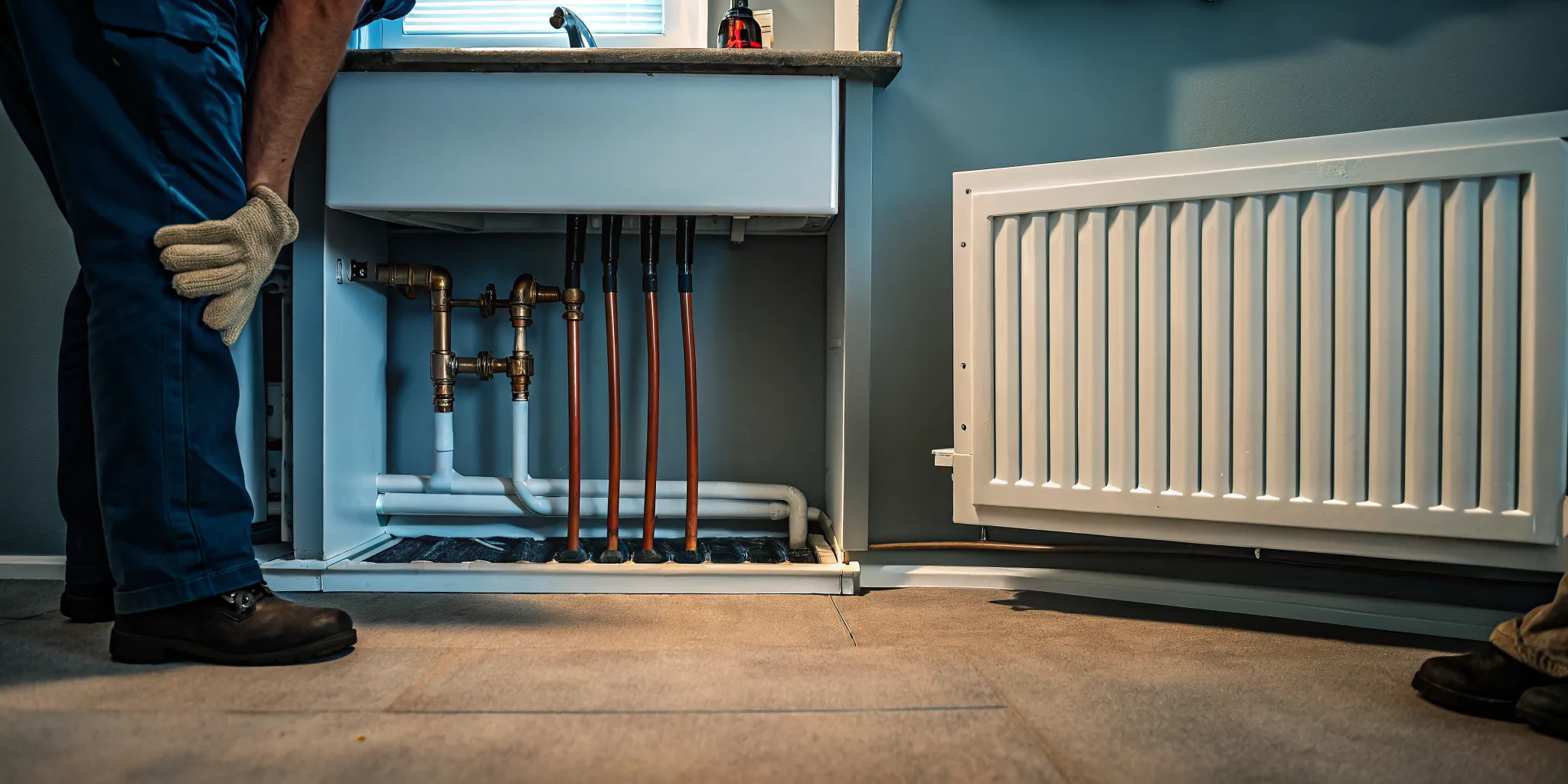
Your Guide to Affordable Water Heater Replacement Conejo Valley
Your water heater might be costing you more than you think, and we’re not just talking about the final replacement bill. An old, inefficient unit can be a major drain on your monthly budget, quietly driving up your energy costs every single day. The good news is that upgrading to a new, energy-efficient model is an investment that can pay for itself over time. Between lower utility bills, local utility rebates, and federal tax credits, the savings can really add up. This article will show you how to find these savings opportunities and make your upgrade more manageable. We’ll help you understand that finding an affordable water heater replacement in the Conejo Valley is about looking at the long-term value, not just the upfront price tag.
Key Takeaways
- Recognize the warning signs: If your water heater is over 10 years old, makes strange noises, produces rusty water, or leaks, it’s time to plan for a replacement before you’re left with a cold shower and potential water damage.
- Choose the right heater for your home: Select a new unit by matching its size to your family’s hot water needs, comparing energy efficiency ratings for long-term savings, and considering the costs of different fuel types.
- Plan for a smart and safe installation: Lower your costs by getting multiple quotes, looking for rebates, and using financing, but always protect your investment by hiring a licensed and insured professional who guarantees their work.
Is It Time to Replace Your Water Heater?
Most of us don’t give our water heater a second thought until we’re hit with an icy shower. But these workhorse appliances don’t last forever, and waiting for a total breakdown can lead to cold water, expensive emergency calls, and even serious water damage. The good news is that your water heater will usually give you a few warning signs before it fails completely. By learning to spot these clues, you can plan for a replacement on your own terms instead of in the middle of a crisis. If you notice any of the following signs, it might be time to start thinking about a new unit.
Check Your Unit’s Age
Like most home appliances, water heaters have a predictable lifespan. Most traditional tank-style heaters last between 8 and 12 years. If your unit is approaching the 10-year mark or is already past it, you should seriously consider a replacement. You can typically find the manufacturing date on the serial number sticker on the side of the tank. Even if it seems to be working fine, an older unit is less efficient and living on borrowed time. Being proactive allows you to research your options and schedule a replacement without the stress of an emergency. Planning ahead for this essential plumbing update can save you from a major headache down the road.
Notice Rust or Discolored Water
If you turn on the hot water tap and see brownish, discolored water, pay attention. This is a classic sign that the inside of your water heater tank is rusting. You might also spot physical evidence of rust on the tank itself, especially around the pipe connections or seams. While a little rust on the outside might not seem like a big deal, it’s a clear indicator of internal corrosion. Unfortunately, a rusty tank can’t be repaired; it’s a sign of impending failure. A leak is often the next step, which can cause significant damage to your home. Don’t wait for a small problem to become a big one. If you see rust, it’s time to contact a professional for an assessment.
Deal with Inconsistent Temperatures
Is your morning shower a gamble between lukewarm and scalding? Water that doesn’t get hot enough, takes forever to heat up, or runs out quickly are all signs that your water heater is struggling. Over time, sediment can build up at the bottom of the tank, creating a barrier between the heating element and the water. This forces the unit to work harder and less efficiently, leading to inconsistent temperatures and higher energy bills. While a faulty thermostat or heating element can sometimes be the culprit, in an older unit, these issues often point to the end of its effective life. Consistent, reliable hot water is a basic necessity, and you shouldn’t have to settle for anything less.
Hear Strange Noises
Your water heater should operate relatively quietly. If you start hearing loud pops, bangs, rumbles, or crackling sounds coming from the tank, it’s a cry for help. These noises are typically caused by hardened mineral deposits and sediment that have collected at the bottom of the tank. As the burner heats the tank, steam bubbles get trapped under the sediment layer and then burst through, creating the noise. This process is not only loud but also puts a huge amount of stress on the metal tank. This constant strain can weaken the tank’s integrity and eventually lead to cracks and leaks. Ignoring these sounds is risky, as they signal your water heater is working inefficiently and is at a higher risk of failure.
Spot Leaks or Corrosion
This is the most urgent sign of all: any amount of water pooling around the base of your water heater means you have a problem. Take a close look at the tank and the floor around it. Even a small puddle or a slow drip is a sign of a leak that will only get worse. While a leak could come from a fitting or a valve, if the tank itself is leaking, it’s a catastrophic failure. This is caused by internal corrosion that has finally eaten through the tank wall. A leaking tank cannot be repaired and must be replaced immediately to prevent flooding and extensive water damage. If you find a leak, you should call for emergency plumbing services right away.
Exploring Water Heater Types and Costs
Choosing a new water heater is a big decision. It’s not just about the upfront price; you also want to think about your family’s hot water habits, your energy bills, and the unit’s lifespan. The right water heater can make your home more comfortable and efficient for years to come. Let’s walk through the most common options available in the Conejo Valley so you can find the perfect fit for your home and budget.
Traditional Tank Heaters
This is the type of water heater most of us are familiar with. A traditional unit has a large, insulated tank that holds and heats a specific amount of water, keeping it ready for when you need it. They are generally the most affordable option to purchase and install, which makes them a popular choice. The main drawback is that once you use up all the hot water in the tank, you have to wait for it to refill and reheat. They also use energy continuously to keep the stored water hot, which can make them less efficient than other models.
On-Demand Tankless Heaters
If you’re tired of running out of hot water mid-shower, a tankless heater might be your new best friend. These units heat water instantly as it flows through them, providing a limitless supply of hot water. Because they only operate when you turn on a hot water tap, they are much more energy-efficient and can significantly lower your utility bills. While the initial plumbing and installation cost is higher than a traditional tank, they last much longer, often up to 20 years or more, making them a smart long-term investment.
Hybrid (Heat Pump) Heaters
Hybrid water heaters, also known as heat pump water heaters, are an incredibly efficient option. Instead of generating heat directly, they pull warmth from the surrounding air and transfer it to the water in the tank. This process can make them up to 70% more efficient than standard electric models, leading to major savings on your energy bills. They do have a higher upfront cost and require more vertical space than other types. Since they rely on ambient air temperature, they work best in warmer climates like ours here in Ventura County.
Solar-Powered Heaters
For the most environmentally friendly option, look no further than a solar-powered water heater. These systems use collectors, often installed on your roof, to capture the sun’s energy and heat your water. They are highly efficient and can drastically reduce your home’s carbon footprint and energy costs. The initial investment is significant, and they require professional installation and some maintenance. However, you may be able to offset the cost with government rebates and tax credits. We can also help you explore financing to make this green upgrade more accessible.
What Factors Influence Replacement Costs?
When you’re budgeting for a new water heater, the sticker price of the unit itself is only part of the equation. Several key factors can influence the final cost of your replacement project. Understanding these variables ahead of time helps you set a realistic budget and avoid any surprises. From the size of the tank to the type of installation, here’s a breakdown of what goes into the total price.
Unit Size and Capacity
The size of your water heater, measured in gallons, is one of the biggest cost drivers. A larger tank that can supply hot water for a big family will naturally cost more than a smaller one suited for a condo. For example, installing a standard 50-gallon unit typically runs from $900 to $2,500. The right size depends on your household’s peak hot water demand. Choosing a unit that’s too small will leave you with cold showers, while one that’s too large wastes energy. Our team can help you find that perfect balance, ensuring you get the capacity you need without overspending on the initial plumbing installation.
Labor and Installation
Professional installation is not just a line item on an invoice; it’s your peace of mind. Labor costs can make up a significant portion of your total bill, generally between 20% and 50%. For a straightforward replacement, a licensed plumber might spend two to four hours on the job. The complexity of the installation, like needing to reroute pipes or work in a tight space, can affect the final cost. Hiring an experienced team like ours at Conejo Bros Plumbing ensures the job is done safely, efficiently, and correctly the first time, which can save you from costly repairs down the road.
Local Permits and Code Requirements
In areas like the Conejo Valley, replacing a water heater isn’t just a swap-out; it requires a permit to ensure the work meets local safety codes. For instance, the City of Thousand Oaks requires a permit for all water heater replacements. While this might sound like another hassle, it’s a crucial step for your family’s safety. A professional plumbing company will handle the entire permitting process for you, from filing the paperwork to scheduling the final inspection. This ensures your new unit is installed to code, protecting you from potential hazards. We’re familiar with the requirements across all our service areas.
Switching to a Different Heater Type
Thinking about upgrading from a traditional tank to a tankless model, or switching from electric to gas? While these changes can bring long-term benefits like energy savings, they often increase the upfront installation cost. Switching heater types can be much more expensive because it may require significant changes to your home’s infrastructure. This could involve running new gas lines, upgrading electrical circuits, or installing new venting systems. If you’re considering a switch, it’s important to get a detailed quote that outlines all the necessary modifications for your new water heater.
Popular Water Heater Brands to Consider
Walking down the water heater aisle can feel overwhelming. With so many brands, how do you know which one to choose? While the best unit for you depends on your home and budget, a few brands consistently earn top marks for quality and performance. Getting familiar with these names is a great first step. A professional plumber can help you sort through the options and find the perfect fit, but here are three industry-leading brands that we often recommend to homeowners in the Conejo Valley.
Rheem
Rheem is a household name for a reason. They are known for building innovative and energy-efficient water heaters that stand the test of time. Whether you need a traditional tank, a space-saving tankless model, or an ultra-efficient hybrid unit, Rheem has a well-designed option. Many homeowners appreciate Rheem for its reliability and performance, which means you get consistent hot water without worry. Plus, their products often come with a comprehensive warranty, giving you extra peace of mind long after the installation is complete. It’s a solid, dependable choice for any home.
A.O. Smith
If you’re looking for a blend of quality and modern technology, A.O. Smith is a brand to watch. They offer a wide selection of gas, electric, and tankless water heaters designed for efficiency. A.O. Smith is another top name, known for its high-quality products and forward-thinking features that can help lower your monthly utility bills. Some of their newer models even include smart technology, allowing you to monitor and adjust your water heater from your phone. This commitment to innovation makes A.O. Smith a favorite among homeowners who want control and performance in one package.
Bradford White
Bradford White has earned a strong reputation for making some of the most durable water heaters on the market. This brand is a favorite among plumbing professionals because their products are built to last. Plumbing professionals often recommend Bradford White for its durable and efficient products, which feature advanced safety and performance technologies. While you might not find them in big-box stores (they are primarily sold through professional suppliers), their focus on quality construction means you’re investing in a reliable unit that will serve your family for years to come.
How to Choose the Right Water Heater
Picking a new water heater isn’t just about getting the hot water back on; it’s about making a smart investment for your home. The right unit can meet your family’s needs, save you money on energy bills, and provide reliable service for years. But with so many options out there, how do you decide? It comes down to three key things: understanding your hot water usage, comparing energy efficiency, and choosing the right fuel source for your home. Let’s walk through each step so you can feel confident in your choice.
Assess Your Household’s Hot Water Needs
First things first, think about how much hot water your family actually uses. Do you often have multiple showers running at the same time as the dishwasher? A large family will naturally need a higher-capacity water heater than a couple or a single person. A good rule of thumb is to consider replacing your unit if it’s over 10 years old, needs constant plumbing repairs, or is causing your energy bills to creep up. These are all signs that your current heater is struggling to keep up. Taking stock of your daily habits will help you determine the right size and capacity, ensuring you always have enough hot water without paying for a tank that’s too large.
Compare Energy Efficiency Ratings
Next, let’s talk about efficiency. A water heater’s energy efficiency is measured by its Uniform Energy Factor (UEF). The higher the UEF rating, the more efficient the unit is. You’ll also want to look for the ENERGY STAR label, which certifies that the heater meets strict efficiency guidelines. While a high-efficiency model, like a hybrid (heat pump) heater, might have a higher price tag, it can use significantly less energy than a standard model. This translates to real savings on your utility bills month after month. These long-term savings often make the initial investment worthwhile, and we offer flexible financing to help manage those upfront costs.
Pick a Fuel Type: Gas vs. Electric
Finally, you’ll need to choose between a gas or electric model. Electric water heaters are typically less expensive to purchase and install, making them a popular choice. However, they often cost more to operate over time. On the other hand, natural gas or propane heaters usually have lower monthly running costs, but their upfront price is higher. Gas models also require a dedicated gas line and proper ventilation, which can add to the installation complexity and cost. The best choice depends on your home’s existing connections and your budget. A professional can assess your setup and help you weigh the pros and cons, so feel free to contact us for an expert opinion.
How to Save on Your New Water Heater
A new water heater is a significant investment, but the final price tag doesn’t have to be a shock. With a little planning, you can find several ways to lower the cost of your replacement. From government incentives to smart financing, there are plenty of opportunities to save money while still getting a high-quality, efficient unit for your home. Think of it as a scavenger hunt for savings, where the prize is a lower bill and years of reliable hot water. We’ll walk you through some of the best strategies to make your new water heater more affordable.
Local Utility Rebates
Your local utility company might be one of your best allies in saving money. Many providers in our area, including Southern California Edison (SCE), offer rebates for energy-efficient appliances to encourage homeowners to make greener choices. These programs can give you cash back just for purchasing a qualifying high-efficiency water heater. It’s worth taking a few minutes to check your utility provider’s website or give them a call. You’ll need to see what programs are currently available and make sure the model you’re considering meets their eligibility requirements. A little research here can directly reduce your upfront cost.
Federal Energy Tax Credits
The savings don’t stop at the local level. The federal government also rewards homeowners for investing in energy-efficient home improvements. You may be able to claim energy efficiency tax credits when you file your taxes, which can cover a percentage of the cost of your new, qualified water heater. To take advantage of this, you’ll need to choose a unit that meets specific Energy Star standards. Be sure to keep all your receipts and documentation from the purchase and installation. This is a fantastic way to get a portion of your investment back, making that high-efficiency model even more attractive.
Manufacturer Promotions
Just like with cars or other major appliances, water heater manufacturers often run their own promotions. Brands like Rheem, A.O. Smith, and Bradford White frequently provide seasonal discounts or special offers on certain models. These deals can be a great way to get a top-tier unit for a lower price. Before you buy, check the official websites of the brands you’re interested in. You can also ask us about any current manufacturer promotions when you get your quote. Timing your purchase with one of these sales can lead to significant savings.
Flexible Financing Plans
Even with rebates and discounts, a new water heater can be a major expense. If paying the full amount upfront isn’t ideal for your budget, financing can be a great solution. Many service providers, including our team at Conejo Bros, offer flexible financing options to help you manage the cost. These plans allow you to break down the total price into smaller, more manageable monthly payments. This way, you can get the reliable hot water you need now without putting a major strain on your finances. It’s a practical approach to handling an essential home upgrade.
What to Look for in a Plumbing Pro
Choosing the right water heater is only half the battle; finding the right professional to install it is just as important for ensuring it runs safely and efficiently for years to come. A great plumber not only does the job correctly but also gives you peace of mind. When you’re vetting local companies, keep an eye out for a few key qualities that separate the true professionals from the rest. These markers of quality will help you find a reliable partner for your water heater replacement and any future plumbing needs.
Proper Licensing and Insurance
First things first, never hire a plumber who isn’t properly licensed and insured. This is your number one protection as a homeowner. A valid license proves the plumber has met the state’s requirements for knowledge and competency. Insurance protects you from liability if an accident happens on your property during the installation. A fully licensed, bonded, and insured company demonstrates a commitment to professionalism and accountability. Before you even schedule a quote, confirm their credentials. Reputable companies, like our team at Conejo Bros Plumbing, are always upfront about their qualifications because they are proud of their commitment to safe, professional work.
Local Experience and Expertise
A plumbing company with deep roots in your community offers a distinct advantage. Local pros understand the specific plumbing challenges and building codes in areas like the Conejo Valley and Ventura County. They know about the local water quality, common types of homes, and what it takes to get a job done right in our neighborhoods. A company with decades of experience has seen it all and can handle any surprises that might pop up during an installation. When you choose a plumber with a long history of serving your service area, you’re not just hiring a contractor; you’re partnering with a neighbor who is invested in the community.
Clear, Upfront Pricing
No one likes financial surprises, especially during a home repair project. A trustworthy plumber will always provide a clear, detailed, and upfront quote before any work begins. This transparency is a hallmark of good customer service. Be wary of any company that is vague about costs or won’t put their estimate in writing. You should know exactly what you’re paying for, including the cost of the unit, labor, and any necessary permits. Look for companies that offer straightforward pricing and are happy to answer any questions you have about the estimate. This honesty builds trust and ensures you can budget for your new water heater without worrying about hidden fees.
Strong Warranties and Guarantees
A solid warranty is a plumber’s promise that they stand behind their work. Reputable professionals are confident in their skills and the quality of their installations, and they back it up with a guarantee. This protects your investment and gives you a clear course of action if something goes wrong after the job is done. Before making a final decision, ask about the warranties offered on both the water heater unit and the labor. A company that prioritizes customer satisfaction will have strong guarantees in place. You can often get a sense of a company’s commitment by reading their customer reviews, where happy clients will often mention the peace of mind that comes with a good warranty.
24/7 Emergency Availability
Water heaters don’t always fail during convenient 9-to-5 business hours. They can leak, make strange noises, or stop working entirely in the middle of the night or on a holiday weekend. That’s why it’s so important to choose a plumbing pro who offers 24/7 emergency services. Knowing you have a reliable expert to call anytime gives you invaluable peace of mind. When a plumbing crisis strikes, you won’t have to waste precious time scrambling to find someone who can help. Having an established relationship with a company that provides emergency plumbing services means help is always just a phone call away.
More Ways to Keep Replacement Costs Down
You’ve picked your unit and explored rebates, but the savings don’t have to stop there. A few smart strategies can help you lower the final bill for your water heater replacement. Let’s walk through some practical ways to keep more money in your pocket and ensure you’re making a wise investment for your home. These simple steps can make a big difference in both the upfront cost and the long-term value you get from your new water heater.
Get Multiple Quotes
When you’re facing a big purchase, you wouldn’t buy the first option you see, and the same goes for plumbing services. Getting at least two or three quotes is a crucial step. This isn’t just about finding the lowest price; it’s about understanding the value of what’s being offered. A detailed quote will break down the costs for the unit, labor, and any extra materials. Be wary of vague estimates. A trustworthy plumber will provide clear, upfront pricing and be happy to explain every line item, ensuring there are no surprises when the final bill arrives. This process also gives you a feel for the company’s customer service and professionalism.
Time Your Replacement (If Possible)
If your water heater isn’t in a state of emergency, you have a powerful advantage: time. Scheduling a replacement on your own terms, rather than in a panic, can save you from paying premium rates for an urgent call. While plumbers are busy year-round, planning the job during regular business hours on a weekday is always more cost-effective than an evening or weekend emergency. Of course, you can’t plan for a sudden breakdown. That’s why it’s good to have a reliable team you can call for any plumbing issue, knowing they’re available 24/7 without taking advantage of your situation.
Don’t Skip the Permit
It might be tempting to see a permit as just another fee, but skipping this step is a costly mistake. Local city and county codes require a permit for water heater installations to ensure the work is done safely and correctly. An unpermitted installation can lead to significant fines, trouble with your homeowner’s insurance, and major headaches when you try to sell your home. A reputable, professional plumber will handle the entire permit process for you. This is a key sign you’re working with a team that values safety and follows the rules, protecting you and your home from future problems. It’s one part of the job you should never have to worry about.
Maintain Your New Unit
Once your new water heater is installed, the best way to protect your investment is with regular maintenance. Think of it as the key to a long and efficient appliance life. Over time, sediment can build up in the tank, forcing the unit to work harder and leading to corrosion. Flushing the tank annually can prevent this. It’s also a great idea to schedule an annual professional check-up. A plumber can inspect the anode rod, check the pressure relief valve, and spot small issues before they become catastrophic failures. This proactive approach not only extends the lifespan of your heater but also helps you avoid the cost and stress of another unexpected replacement.
Ready for a New Water Heater? Here’s How We Can Help.
When it’s time to replace your water heater, you need a team you can trust to get your home back to normal quickly and affordably. At Conejo Bros Plumbing, we understand the urgency. As a family-owned business with decades of experience serving our neighbors throughout the Conejo Valley, we pride ourselves on providing honest, reliable service. We’re not just plumbers; we’re part of the community, and our reviews reflect our commitment to our customers.
We handle every aspect of water heater replacement, from helping you select the perfect model for your home to professional installation and maintenance. Our team is equipped to install traditional tank, tankless, and hybrid units, ensuring you get an efficient system that meets your family’s needs. We believe in transparent pricing, so you’ll know the cost upfront without any surprises. And because plumbing emergencies don’t wait for business hours, our team is ready to handle urgent replacements 24/7.
We are fully licensed and insured, and our work is backed by a satisfaction guarantee. We also know that a new water heater is a significant investment, which is why we offer flexible financing options to make the process easier on your budget. Our goal is to make your water heater replacement as smooth and stress-free as possible. If you’re ready to discuss your options or need immediate help, please contact us for a clear, upfront estimate.
Related Articles
- Plumbing – Conejo Bros Plumbing | Conejo Valley Drain Specialists
- Leak Detection Thousand Oaks CA – Fast, Accurate Service | Conejo Bros Plumbing
- Septic Tank Replacement – Conejo Bros Plumbing | Conejo Valley Drain Specialists
Frequently Asked Questions
What’s the first thing I should do if I find my water heater is leaking? If you discover water pooling around your unit, act quickly to prevent major damage. First, find the shutoff valve on the cold water pipe leading into the heater and turn it to the off position. Next, if you have an electric heater, turn off the corresponding breaker in your electrical panel. For a gas heater, turn the gas shutoff valve to the off position. Once the water and power or gas are off, call a professional plumber for emergency service right away.
How do I know what size water heater is right for my family? Choosing the right size is key to having enough hot water without wasting energy. For traditional tank heaters, we look at the “first-hour rating,” which tells you how many gallons of hot water the unit can produce in an hour of high use. For tankless models, it’s about the flow rate, or how many gallons per minute it can heat. The best way to get the perfect fit is to have a professional assess your home’s needs based on your family size, number of bathrooms, and your daily habits.
Can I save money by installing the water heater myself? While it might seem like a way to cut costs, installing a water heater is a job best left to a licensed professional. It involves working with water lines, high-voltage electricity or gas lines, and specific ventilation requirements. An incorrect installation can lead to leaks, carbon monoxide poisoning, or other serious safety hazards. It can also void the manufacturer’s warranty and cause problems with your homeowner’s insurance. Hiring a pro ensures the job is done safely and up to code.
How long does a typical water heater replacement take? For a straightforward replacement where we are swapping a similar-sized tank into the same location, the job usually takes between two and four hours. However, if you are switching from a traditional tank to a tankless model, or from electric to gas, the installation is more complex. These types of projects may require new plumbing, electrical, or gas lines and can take a full day or longer to complete.
My water heater is old but seems to be working fine. Should I still replace it? Even if an older water heater (one that is 10 years or older) hasn’t failed yet, it’s living on borrowed time. As units age, they become much less energy-efficient, which means you are likely paying more on your utility bills than you need to. More importantly, you run the risk of a sudden and messy failure that can cause significant water damage to your home. Proactively replacing an old unit allows you to choose the right model for your budget without the stress of an emergency.
