


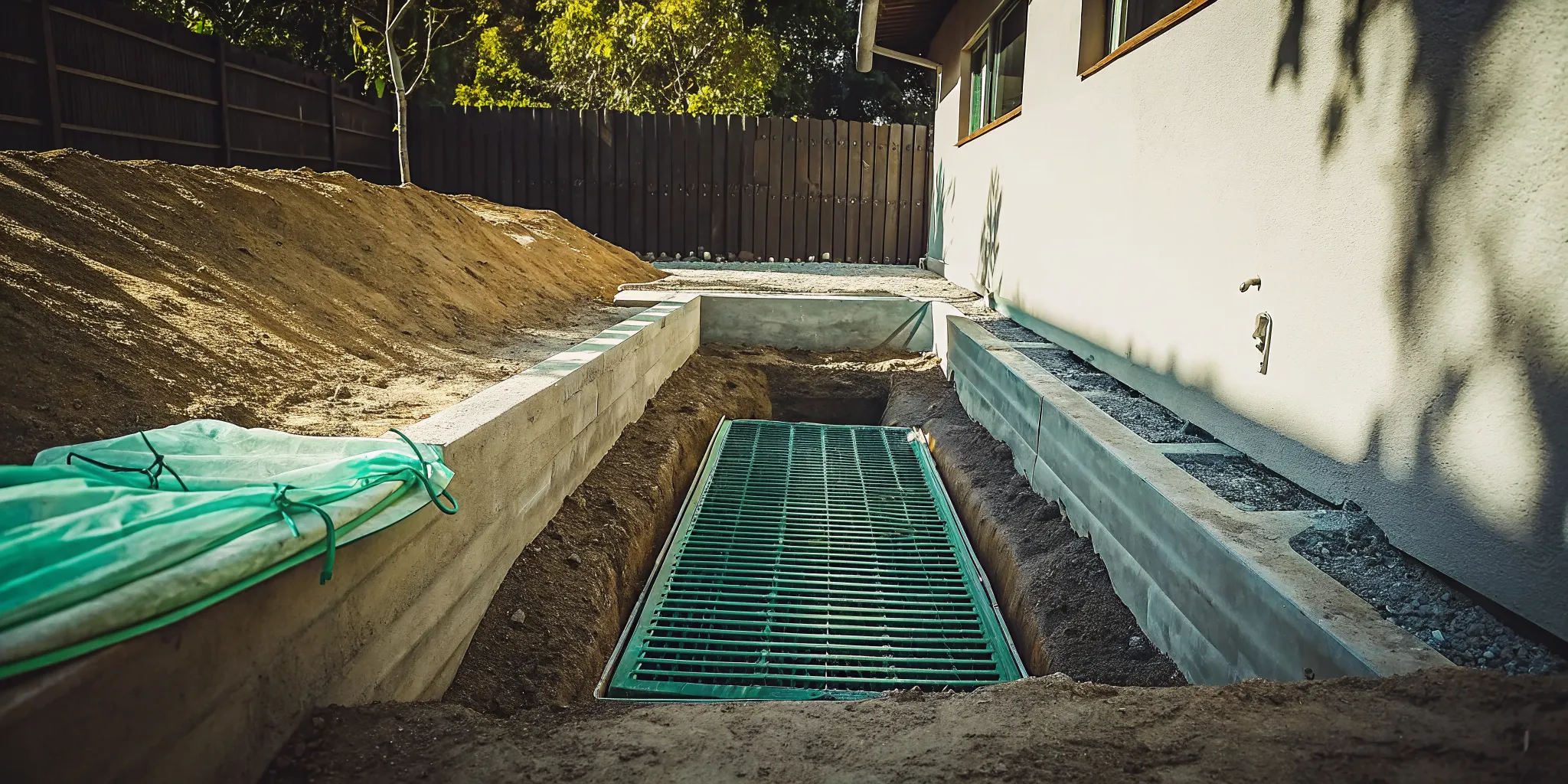
Area Drain Installation Conejo Valley: Cost & Process
That familiar squish under your feet after a storm, the persistent puddles on the patio, and the worry about water creeping too close to your home’s foundation are common concerns for many of us. While our seasonal rains are welcome, they can create serious issues when water has nowhere to go. This standing water does more than just make a muddy mess; it can lead to costly soil erosion, landscape damage, and even structural problems. A professionally installed area drain is the definitive solution to manage this excess water. This guide will walk you through why an area drain installation in Conejo Valley is so crucial for protecting your property and giving you peace of mind when the clouds roll in.
Key Takeaways
- Identify drainage problems early: Because of our local clay soil and hills, watch for pooling water, soil erosion, or musty odors near your foundation. Catching these signs early can prevent serious damage to your home and landscaping.
- Leave installation to the professionals: A proper area drain requires precise planning for slope, soil type, and water flow, which is why DIY attempts often fail. Hiring an expert ensures the system is designed correctly for your property, uses the right materials, and includes a plan for future maintenance.
- Hire a qualified local contractor: Protect your investment by choosing a licensed and insured company with experience in the Conejo Valley. Always ask for references, inquire about warranties, and get a detailed written quote to ensure you’re working with a trustworthy team.
Why You Might Need an Area Drain in Conejo Valley
Living in the Conejo Valley is wonderful, but our beautiful landscape comes with its own set of challenges, especially when it rains. Sudden downpours can quickly turn your yard into a swamp, and all that water needs a safe place to go. An area drain is a simple, effective solution that collects excess rainwater and channels it away from your property. Think of it as a proactive step to protect your home and yard from water damage. Instead of reacting to a flooded patio or a soggy lawn, you can have a system in place that manages water runoff from the start, giving you peace of mind when the clouds roll in.
Prevent Flooding and Manage Water Runoff
When heavy rain hits, your property can be overwhelmed with water runoff, especially if your yard has low spots or slopes toward your house. This can lead to localized flooding that damages your lawn, garden, and outdoor living spaces. An area drain system is designed to intercept this surface water before it has a chance to pool. According to California’s own experts, effective stormwater management is crucial for preventing flooding. By installing drains in strategic locations, you can redirect water to the street or a suitable drainage area, keeping your property safe and dry. It’s a smart way to control the flow of water and prevent costly damage.
Protect Your Foundation and Landscaping
One of the biggest risks of poor drainage is damage to your home’s foundation. When water pools around your house, it can saturate the soil and put immense pressure on your foundation walls. Over time, this can lead to cracks, leaks, and even serious structural issues. The American Society of Home Inspectors warns that proper water management is essential for protecting a home’s integrity. Beyond your foundation, standing water can also destroy your landscaping, drowning plant roots and creating breeding grounds for mosquitoes. An area drain protects your biggest investment, your home, while also preserving the beautiful yard you’ve worked so hard to create.
Why Clay Soil and Hills Make Drainage Difficult
The Conejo Valley has a unique combination of hilly terrain and dense clay soil, which makes drainage a common problem for homeowners. Unlike sandy soil that absorbs water quickly, clay soil has very low permeability. This means water tends to sit on top of it or run off rapidly instead of soaking in. When you add hills and slopes to the mix, that runoff can gain speed and cause significant soil erosion. This is why you might see water gushing down your driveway or creating new channels in your yard during a storm. Because our local soil and topography present these challenges, a professionally installed area drain is often a necessity, not a luxury.
Signs Your Property Needs an Area Drain
Noticing the early warning signs of poor drainage can save you from costly and stressful repairs down the road. While a little water after a storm is normal, persistent moisture issues are your property’s way of telling you it needs help. These problems often start small, but they can quickly lead to significant damage to your home’s foundation, landscaping, and even your family’s health. Paying attention to these clues is the first step toward a lasting solution. If you spot any of the following signs, it’s a strong signal that your property could benefit from a professionally installed area drain.
Pooling Water and Soil Erosion
If you notice persistent puddles in your yard or near your home’s foundation long after a storm has passed, you have a drainage problem. This standing water does more than just create a muddy mess; it actively damages your property. According to the American Society of Civil Engineers, this excess moisture can cause significant soil erosion, washing away valuable topsoil and destabilizing your landscape. Over time, this can create uneven ground and even compromise the structural integrity of retaining walls, patios, and walkways. In the Conejo Valley, where seasonal rains can be intense, managing this runoff is crucial for protecting your property investment.
Mold, Mildew, or Foundation Cracks
Excess water that doesn’t drain away properly will eventually find its way to your home’s foundation. One of the first signs of trouble is the appearance of mold or a musty smell in your basement or crawl space. The Environmental Protection Agency warns that mold growth in damp areas can lead to health concerns if not addressed. Even more alarming is the physical damage to your foundation. When the soil around your foundation becomes saturated, it expands and puts immense pressure on the concrete walls, leading to cracks. These cracks can threaten your home’s structural stability and create pathways for more water to enter, worsening the problem.
Foul Odors and Slow Drains
Have you noticed an unpleasant, swampy smell around your property? This is often caused by stagnant water and decaying organic matter that gets trapped due to poor drainage. These foul odors indicate that water isn’t moving away from your property as it should. Sometimes, this external issue is connected to your home’s internal plumbing. The National Association of Home Builders notes that slow drains inside your house can be a symptom of a larger blockage or an inadequate drainage system outside. If your sinks, showers, or toilets are draining slowly, it might be related to an overwhelmed main sewer line struggling with excess groundwater.
How Does Area Drain Installation Work?
Understanding how an area drain is installed can help you feel more confident about the process. While it involves some serious digging and planning, a professional team can make it a smooth and straightforward project. The goal is always the same: to create a reliable system that collects excess water from your property and safely directs it away from your home or buildings. It’s a combination of smart design, the right materials, and precise installation to protect your investment for years to come. Let’s walk through what a typical installation looks like from start to finish.
Types of Area Drains and Materials
Not all drains are created equal, and the right one for your property depends on where the water problem is. The most common types of drains include surface drains (like round or square grates in your lawn), trench drains (long, narrow channels perfect for driveways and patios), and catch basins (larger boxes that collect significant runoff). These components are usually made from durable materials like PVC, which is lightweight and resists corrosion, or sometimes concrete and metal for heavy-duty commercial use. A professional will assess your specific landscape and water flow to recommend the best combination of drain types and materials for a long-lasting solution.
Key Components: Inlets, Basins, and Pipes
An area drain system is more than just a grate in the ground. It’s a network of components working together. The main parts are the inlets, basins, and pipes. Inlets are the grates you see on the surface, designed to capture water before it can pool. From there, the water flows into a catch basin, which is an underground box that collects debris like leaves and sediment, preventing clogs. Finally, underground pipes connect to the basin and carry the water away to a safe discharge point, like the street’s storm drain. The success of the entire system depends on the proper sizing and placement of these drainage system components.
The Step-by-Step Installation Process
A professional area drain installation follows a clear, methodical process. First, we start with planning and design, where we map out the best locations for the drains to capture the most water. Next comes excavation, which involves digging trenches for the pipes and basins. Once the trenches are prepared, we install the components, carefully connecting the inlets, basins, and pipes. After that, we backfill the trenches and grade the soil to ensure water flows correctly toward the drains. The final and most important step is testing the system to confirm it’s working perfectly and directing water away from your property as intended.
What to Know About Local Permits and Codes
In most cases, installing a new drainage system requires following specific local building codes and may require a permit. Regulations in the Conejo Valley can vary from one city to another, whether you’re in Thousand Oaks, Agoura Hills, or Camarillo. These rules are in place to ensure the work is done safely and that your new system doesn’t negatively impact your neighbors or the public storm drain system. A reputable contractor will be familiar with the necessary permits and codes for your specific area and will handle all the paperwork for you, ensuring your project is fully compliant from day one.
Special Considerations for Commercial Properties
Commercial properties often face bigger drainage challenges than residential ones. Large parking lots, expansive roofs, and concrete walkways collect a massive amount of rainwater, which can lead to significant flooding and liability issues if not managed properly. Commercial drainage systems must be designed to handle this higher volume of water and often need to comply with stricter municipal regulations. This might involve installing larger catch basins, more extensive piping, and even specialized filtration to remove pollutants from the runoff. We can help you design a system that keeps your business safe, dry, and compliant.
How Much Does Area Drain Installation Cost in Conejo Valley?
Figuring out the budget for an area drain installation is a top priority for most homeowners. While it’s tough to give a single price tag without seeing your property, we can walk through the common factors that determine the cost. This will give you a clearer picture of what to expect for your home or business in the Conejo Valley. Understanding the investment helps you plan accordingly and ensures there are no surprises down the road. Let’s break down what goes into the final price.
Factors That Affect the Final Price
The final cost of an area drain installation isn’t one-size-fits-all. Several key factors can influence the final price, starting with the complexity of the job. If your property requires extensive digging, navigating around existing utilities, or working with challenging terrain, the labor costs will naturally be higher. The size of the area you need to drain and the type of system you choose also play a big role. A simple French drain will cost less than a more intricate system with multiple catch basins and long pipe runs. Finally, local permit requirements and material costs in Ventura County can also affect the total investment for your project.
Average Costs for Homes and Businesses
So, what does this all mean for your wallet? In the Conejo Valley, a typical area drain installation for a home can range from $1,500 to $5,000. For a straightforward project, homeowners can often expect to pay on the lower end of that spectrum. However, if your property has significant drainage issues or needs a more complex system, the cost could be higher. Businesses usually face greater costs because their properties are larger and may require more robust, commercial-grade drainage solutions to handle higher volumes of water and comply with specific regulations. Getting a detailed quote is the best way to know for sure.
Financing Your Drain Installation Project
We understand that an area drain installation is a significant but necessary investment in protecting your property. If the upfront cost is a concern, you have options. Many homeowners use home improvement loans or a home equity line of credit to cover the expense. At Conejo Bros Plumbing, we want to make this process as stress-free as possible, which is why we offer flexible and transparent financing options. Our goal is to help you get the drainage solution you need without breaking your budget. During your consultation, we can walk you through the application process and find a payment plan that works for you.
Should You DIY Your Area Drain Installation?
When you’re dealing with drainage issues, the thought of tackling the project yourself can be tempting. A weekend project and a trip to the hardware store might seem like a great way to save money. But when it comes to installing an area drain, a simple mistake can lead to bigger, more expensive problems than the one you started with. Getting the slope wrong, using the wrong materials, or failing to account for our local clay soil can turn a drainage solution into a water-pooling nightmare. Before you start digging, it’s worth considering what a DIY installation really involves and why a professional touch often provides better, more reliable results in the long run.
Common DIY Misconceptions
Many homeowners think installing an area drain is as simple as digging a trench and laying some pipe. The reality is much more complex. Proper drainage requires precise calculations for slope, depth, and water volume. A common mistake is creating a system that can’t handle the amount of water during a heavy downpour, leading to overflows that can damage your home’s foundation or landscaping. An improperly installed drain can actually make your water problems worse by redirecting water to the wrong place or creating new areas of standing water. Getting it right involves more than just basic tools; it requires an understanding of hydrology and local soil conditions.
Why Professional Installation Offers Better Long-Term Results
Hiring a professional ensures your area drain is designed specifically for your property’s unique challenges. An expert can accurately assess your yard’s grading, soil type, and water runoff patterns to create an effective, lasting solution. Professionals use commercial-grade materials and have the right equipment to get the job done efficiently and correctly the first time. As experts at This Old House note, a professional can help you avoid common pitfalls and ensure your system complies with local building codes. This expertise not only protects your investment but also gives you peace of mind that your property is protected from water damage.
Planning for Future Maintenance and Upkeep
A successful drain installation doesn’t end once the pipes are in the ground. A crucial part of the process is planning for future upkeep to keep the system working properly. When you work with a professional, they build your system with maintenance in mind, using components like catch basins and cleanouts that make it easy to remove debris. DIY projects often overlook this step, which can lead to clogs and system failure down the road. A professional team can also provide you with a clear maintenance schedule and show you how to keep your drains clear, preventing small issues from becoming major headaches.
How to Hire a Drain Installation Company in Conejo Valley
Finding the right contractor for your area drain installation is the most important step in protecting your property. You want a team that is not only skilled but also trustworthy and familiar with the specific challenges of our local landscape. Taking the time to vet your options will give you peace of mind and ensure the job is done right the first time. Here’s what to look for and what to ask to feel confident in your choice.
Check for Licenses, Insurance, and Local Experience
Before you hire anyone, make sure they have the proper credentials. A licensed contractor has met state requirements, which shows a commitment to professionalism and quality work. You can verify a contractor’s license through the California Contractors State License Board. Insurance is just as important, as it protects you from any liability if an accident happens on your property during the installation.
Beyond the paperwork, look for a company with deep roots in the Conejo Valley. A local team will understand our unique soil conditions and hilly terrain, which often require specific drainage solutions. Their experience means they can anticipate potential issues and design a system that will hold up for years to come.
Ask About Warranties and Guarantees
A reputable company will always stand behind its work. Be sure to ask about the warranties or guarantees they offer on both their labor and the materials they use. A solid warranty is a sign that the contractor is confident in their installation and is committed to your long-term satisfaction. This protects you from unexpected costs if an issue arises down the road due to faulty materials or installation errors. It’s a simple way to gauge a company’s integrity and dedication to quality. We believe in our work so much that we offer guaranteed satisfaction on every project.
Key Questions to Ask Before You Hire
To get a clear picture of who you’re working with, it helps to have a few key questions ready. Asking the right things can reveal a lot about a company’s experience, process, and reliability.
Before you make a final decision, consider asking:
- How long have you been installing drains in this area?
- Can you provide a few references from recent projects?
- How do you handle unexpected problems during an installation?
- What types of drain materials do you recommend for my property, and why?
- What is your process for ensuring the work meets local building codes?
Their answers will help you understand their level of expertise and whether they’re the right fit for your project.
Why Choose Conejo Bros for Your Drain Installation
When it comes to protecting your home, you want a team you can trust. At Conejo Bros, we’ve built our reputation on quality workmanship and exceptional customer service right here in the Conejo Valley. Our team has decades of experience designing and installing drainage solutions tailored to local properties. We understand the challenges our community faces, from clay soil to hillside water runoff, and we know how to build systems that last. We treat every project with close attention to detail because we’re not just contractors; we’re your neighbors. Our goal is to provide the best service possible and ensure your home is safe and dry.
Get a Quote: What to Expect During a Consultation
A professional consultation is more than just a quick price estimate over the phone. A qualified contractor should schedule a time to visit your property to perform a thorough assessment. During this visit, they will inspect the area, identify the source of your water issues, and discuss the best solutions for your specific needs.
After the assessment, you should receive a detailed, written quote that clearly outlines the entire scope of the project. This includes the work to be performed, the materials needed, the projected timeline, and a complete breakdown of the costs. A transparent quote ensures there are no surprises later on. This initial meeting is also a great opportunity to ask any final questions and get a feel for the team you’ll be working with. Ready to get started? You can contact us to schedule your consultation.
Related Articles
- Conejo Valley Plumbing & Drain Tips for Homeowners | Conejo Bros Plumbing
- Agoura Hills – Conejo Bros Plumbing | Conejo Valley Drain Specialists
- Service Areas – Conejo Bros Plumbing | Conejo Valley Drain Specialists
- Seepage Pit Repair and Installation – Conejo Bros Plumbing | Conejo Valley Drain Specialists
Frequently Asked Questions
My yard only gets a few puddles after it rains. Do I really need an area drain? Even small, persistent puddles can be a red flag, especially if they form near your home’s foundation. While a little standing water on the lawn isn’t an emergency, water that pools on patios, walkways, or against your house can saturate the soil. Over time, this can lead to soil erosion, landscape damage, and put pressure on your foundation. Think of it as a warning sign that your property is struggling to manage water, and addressing it now can prevent much bigger headaches later.
What’s the difference between an area drain and a French drain? That’s a great question, as they solve different types of water problems. An area drain is designed to collect surface water from a specific low spot, like a drain in a shower floor. It uses a grate and catch basin to quickly capture runoff from rain or sprinklers. A French drain, on the other hand, works underground to manage water that’s already soaked into the soil. It’s essentially a gravel-filled trench with a perforated pipe that collects groundwater and directs it away. We often use a combination of both to create a complete drainage solution.
How disruptive is the installation process? Will my yard be torn up for weeks? It’s true that installing a drain system involves digging, but a professional team works hard to make the process as efficient and tidy as possible. A typical residential project is usually completed in just a few days, not weeks. We carefully plan the excavation to minimize the impact on your landscaping and always clean up the site thoroughly when we’re finished. The short-term disruption is a small trade-off for the long-term protection and peace of mind you’ll gain.
Can an area drain get clogged, and what kind of maintenance does it need? Yes, like any drain, an area drain can get clogged with leaves, dirt, and other debris. This is why professional installation is so important. We design systems with components like catch basins that trap sediment before it can enter the main pipes, making them much easier to clean. For your part, the main task is simply keeping the surface grates clear of debris. We also recommend a professional inspection every few years to ensure everything is flowing smoothly.
Will an area drain solve the musty smell in my basement or crawl space? It can be a crucial part of the solution. That musty smell is often caused by mold and mildew, which thrive in damp environments. If poor exterior drainage is allowing water to saturate the ground around your foundation and seep into your crawl space or basement, then an area drain can fix the problem at its source. By capturing and redirecting surface water away from your home, you eliminate the moisture that creates those damp, smelly conditions inside.
