

How Does a Septic System Work? A Homeowner’s Guide
If your Ventura County home is not connected to a municipal sewer, the plumbing still has a carefully designed path for treating wastewater. Knowing what happens after you flush can help you spot trouble early, protect your property, and avoid putting unnecessary strain on the system.
In simple terms, how does a septic system work? Wastewater flows from the home into an underground septic tank, where solids settle and lighter materials float. The liquid then moves into a drain field, where perforated pipes distribute it through soil that filters and treats the wastewater before it returns to the groundwater system.
Call Conejo Bros Plumbing at 805-603-1983 to schedule septic service
Septic systems vary with the home, soil, and available space, so location and design matter. This Septic Tank Service and Maintenance Guide for Ventura County Homeowners provides helpful maintenance context. First, let us look at the tank itself and where these key components are typically found on a property.
What Is a Septic System and Where Is It Located on Your Property?
A septic system is a private, onsite wastewater treatment system for a home that is not connected to a municipal sewer line. In most conventional designs, wastewater leaves the house and enters a buried septic tank before moving to a drainfield, also called a soil absorption field. The tank and drainfield are the two primary components identified by the U.S. Environmental Protection Agency.
Most residential septic tanks hold approximately 1,000 to 1,500 gallons, although the correct size depends on the property and its expected use. A system is designed for the specific home, not simply selected from a standard package. Bedroom count, soil type, and the depth to the groundwater table all affect the design and placement. These details help determine how much wastewater the system must handle and how well the surrounding soil can accept it.
Where the tank and drainfield are usually found
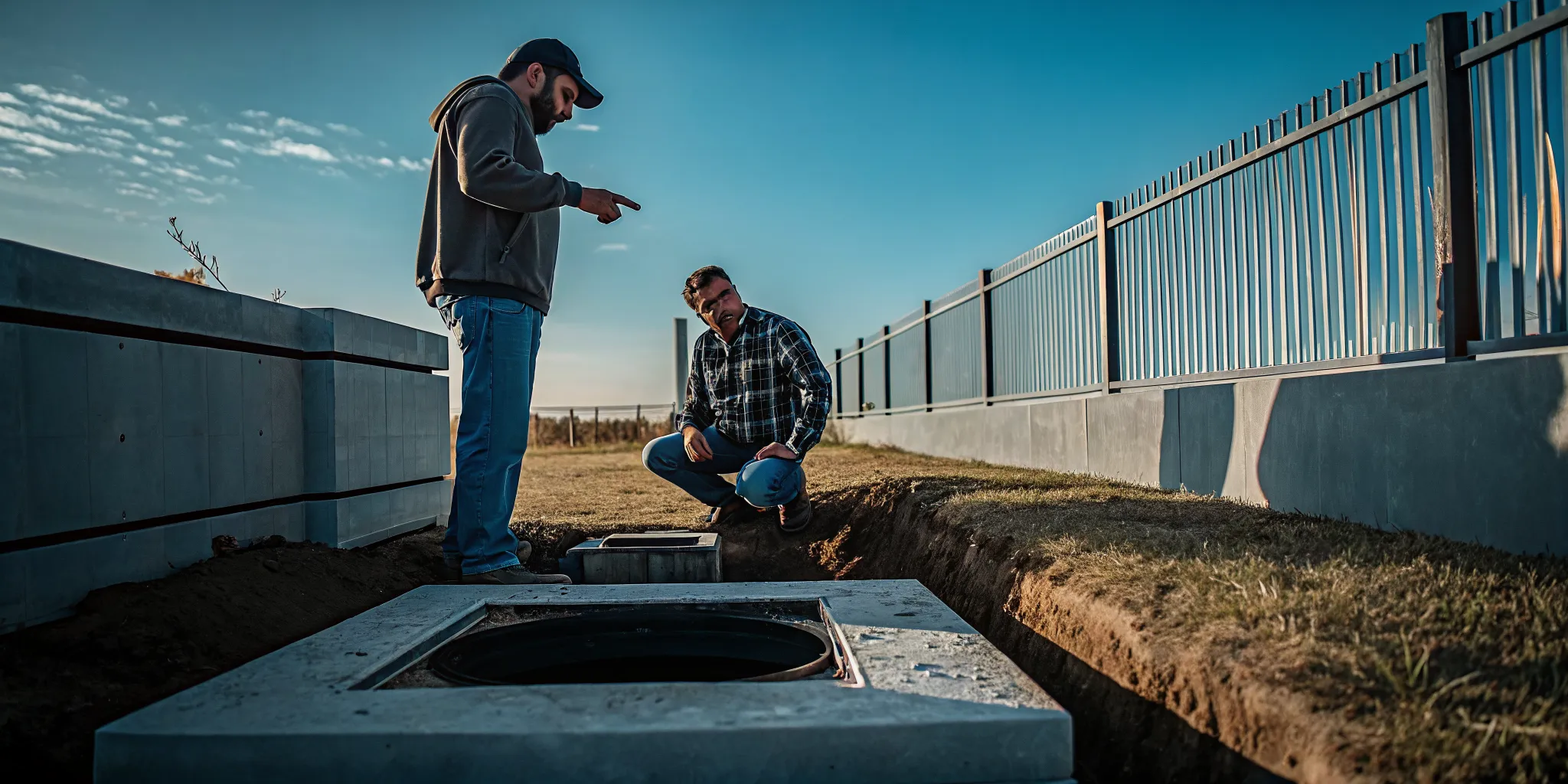
The septic tank is generally buried between the house and the drainfield, often a reasonable distance from the building and accessible through one or more service covers. The drainfield occupies a larger area of suitable soil beyond the tank. Perforated distribution pipes release clarified wastewater into that soil, where it is treated as it filters downward. Exact locations vary with the home’s layout, slope, setbacks, soil conditions, and the original permit or installation plan.
On a Ventura County property, do not assume the tank is directly beneath a visible cleanout or that the drainfield is the only below-ground treatment area. Older properties may use a seepage pit or another approved design instead of a conventional leach field. Our guide to septic system components explains how those systems differ.
How to identify your system
Start with the property’s septic permit, as-built drawing, or inspection report. If those records are unavailable, a septic professional can trace the building sewer, locate the tank, and identify likely distribution or treatment areas without guessing from surface features. Conejo Bros Plumbing’s Septic Tank Service and Maintenance Guide for Ventura County Homeowners provides a practical starting point for understanding service needs and protecting the system. Avoid driving, parking, or building over suspected tank and drainfield areas until their locations are confirmed.
How Does a Septic System Work? The Three-Layer Process in the Tank
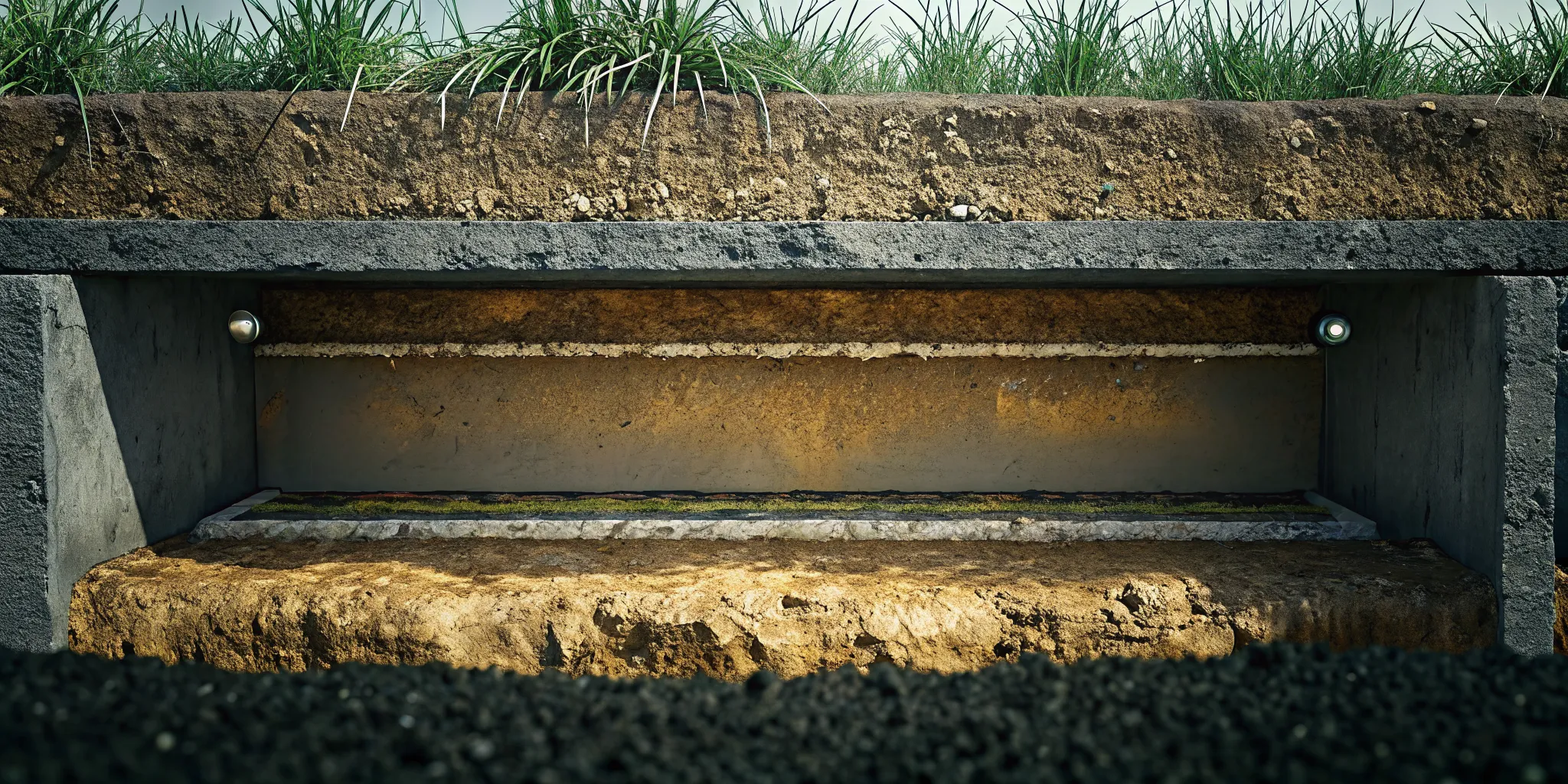
When wastewater leaves your home, it enters the septic tank for its first stage of treatment. The tank is not simply a holding container. It gives wastewater time to separate, allows organic matter to begin breaking down, and keeps much of the solid material from moving toward the drainfield. The process is easier to understand when you picture three distinct layers.
1. Sludge settles to the bottom
Heavier solids sink to the bottom of the tank and form a dense layer called sludge. Some of the organic material is digested by naturally occurring anaerobic bacteria, but the solids do not disappear completely. Sludge continues to accumulate over time, which is why routine pumping remains an important part of septic care.
2. Scum floats at the top
Lighter materials, including oils and grease, rise to the surface and create a floating layer called scum. This layer sits above the wastewater. Tank components such as baffles help keep scum and sludge from escaping with the liquid leaving the tank. Flushing grease, oils, and other unsuitable materials can add to the floating layer and interfere with normal treatment.
3. Effluent remains in the middle
Between the sludge and scum is a clearer liquid layer called effluent. It is not drinking water or fully treated wastewater. It is the liquid portion that can move out of the tank for the next stage of treatment. As new wastewater enters from the house, an equivalent amount of effluent flows toward the drainfield, while the heavier and lighter materials remain separated in the tank.
The Environmental Protection Agency explains that septic tanks digest organic matter and separate floatable materials, such as oils and grease, from solid wastewater components. The University of Maryland Extension likewise describes solids settling as sludge and oils and grease floating as scum. Read the EPA’s explanation of how septic systems work and review our Septic Tank Service and Maintenance Guide for Ventura County Homeowners for the broader maintenance picture.
If the tank is overloaded with solids or the layers are disturbed, wastewater can carry unwanted material toward the drainfield. Learning what belongs in each layer helps homeowners recognize why pumping, careful drain habits, and professional inspections protect the rest of the system.
What the Drain Field Does With Treated Wastewater
After the septic tank separates solids and floatable material, the remaining liquid wastewater moves toward the drain field. In a conventional system, a network of perforated pipes releases that wastewater into surrounding soil. The drain field is not simply a place to dump liquid. It is the final treatment and dispersal area that allows wastewater to move gradually through the ground.
How soil filters wastewater
As wastewater percolates downward, the soil accepts, treats, and disperses it. Soil naturally filters harmful bacteria, viruses, and nutrients before the water reaches groundwater. The effectiveness of this process depends on the drain field remaining open, properly sized, and able to absorb the volume entering it. This is why the system’s design considers the home’s expected wastewater flow and the property’s soil conditions. The U.S. Environmental Protection Agency explains the drain field process in its overview of how septic systems work.
A drain field can become overwhelmed when too much water enters the system at once. Heavy laundry days, leaking fixtures, unusually high household use, or stormwater flowing across the field can overload saturated soil. Flooding may leave the ground unable to accept wastewater, increasing the risk of surfacing sewage, odors, backups, or damage to the field. Keep roof runoff, driveway drainage, and other outside water away from the drain field. Avoid driving or parking over it, since compacted soil has less ability to absorb wastewater.
Septic treatment versus municipal sewer
A septic system is a private, onsite wastewater treatment system. It treats and disperses wastewater on the property through the tank and drain field. Municipal sewer service works differently: household wastewater leaves the property through a connection to a central city sewer line. That distinction matters for maintenance. Septic owners are responsible for protecting the tank and drain field, while sewer customers generally rely on the municipal system after wastewater leaves the private connection.
| Septic system | Municipal sewer | |
|---|---|---|
| Where it treats | On your property, using a tank and drain field. | Central city treatment network. |
| Who maintains it | Homeowner or property owner. | Municipal utility. |
| Daily cost | No sewer rate; periodic pumping needed. | Monthly sewer service charge. |
| Failure risk | Backups and yard surfacing on your lot. | Backups may affect the public line. |
Routine pumping helps prevent excess solids from reaching the drain field. For practical guidance, see how often to pump a septic tank in Ventura County.
How Long Does a Well-Maintained Septic System Last?
There is no single expiration date for every septic system. A system’s useful life depends on how it is maintained, how much wastewater the household produces, and the conditions beneath the property. Soil type, drainage, groundwater levels, and the original system design all affect how well the tank and drain field continue to function.
Regular pumping is one of the most important protective steps. A common recommendation is to have the septic tank pumped every three to five years, although larger households and heavier usage may require a more frequent schedule. Pumping removes accumulated solids before they reduce tank capacity or move toward the drain field. Your service provider can help set a schedule based on household size, tank size, and the amount of sludge found during inspections.
Daily habits affect long-term performance
Even a properly designed system can be stressed by avoidable misuse. Spread laundry and other high-water activities across the week instead of sending a large volume of water into the system at once. Repair leaking toilets and faucets promptly. Keep vehicles, heavy equipment, and structures off the drain field so compacted soil does not interfere with wastewater absorption.
Use the drains carefully as well. Do not flush wipes, plastics, paper towels, or other non-biodegradable items. Limit chemicals, oils, and grease, which can interfere with biological treatment or contribute to clogs. These small choices help protect the bacterial activity inside the tank and the soil treatment area outside it.
Watch for changes before they become failures
Slow drains, gurgling toilets, wet spots, sewage odors, or unusually lush growth near the drain field deserve prompt attention. They may indicate that maintenance is overdue or that a component needs evaluation. For a practical overview of service planning, see our Septic Tank Service and Maintenance Guide for Ventura County Homeowners. A timely inspection can often identify a developing problem before it becomes a costly drain field repair.
The Most Common Reasons Septic Systems Fail Prematurely
Most septic failures are not sudden. They develop when the system is overloaded, misused, or left without routine maintenance. A tank and drain field can handle normal household wastewater, but they have limited capacity and depend on biological treatment, settling, and soil absorption. When those processes are disrupted, backups and contamination risks can follow.
Overloading the tank and drain field
Sending too much water into the system at once can push solids and partially treated wastewater beyond where they should go. Common causes include several loads of laundry in one day, long consecutive showers, leaking toilets, and plumbing fixtures that waste water. Excess flow can also saturate the drain field, leaving it unable to absorb wastewater effectively. Spacing out high-water activities and repairing leaks promptly helps reduce unnecessary strain.
Flushing materials the system cannot handle
Septic systems are designed for wastewater and ordinary biodegradable waste, not every substance that can pass through a drain. Chemicals, oils, grease, plastics, and other non-biodegradable items can interfere with treatment or contribute to clogs. Avoid flushing wipes, paper towels, feminine hygiene products, paint, solvents, and harsh chemical cleaners. Grease should cool and go into the trash rather than down a kitchen drain.
Skipping pumping and early warning signs
Sludge and scum accumulate over time. If the tank is not pumped before solids build up too far, material can move toward the drain field and restrict its operation. A generally recommended interval is every three to five years, although household size and water use can change the schedule. See this guide to septic tank maintenance for planning considerations.
Watch for slow-draining sinks or toilets, overflowing floor drains, or sewage visible outside the home. The CDC lists these as signs of a septic system that is not working properly. For broader guidance on protecting the tank, drain field, and property, review the Septic Tank Service and Maintenance Guide for Ventura County Homeowners.
Septic System Maintenance Checklist for New Homeowners
A septic system is easier to protect when maintenance becomes part of your household routine. Use this checklist when you move in, then keep the records with your home documents. If the property history is unclear, arrange a septic system inspection so you know the tank location, condition, access points, and drain field layout.
- Locate the tank and drain field. Ask the previous owner, installer, or local septic professional for a site plan. Mark access lids discreetly, and learn where the leach field sits. Keep vehicles, sheds, heavy equipment, and deep-rooted landscaping away from that area so soil stays open for wastewater treatment.
- Assign a pumping schedule. Plan to have the tank pumped every three to five years, adjusting the interval for household size and water use. A larger family, frequent guests, or a garbage disposal may require more frequent service. Record each pumping date, provider, and observed condition. The Septic Tank Service and Maintenance Guide for Ventura County Homeowners can help you build a longer-term plan.
- Protect the biological treatment process. Keep chemicals, oils, grease, plastics, and other non-biodegradable items out of septic drains. Flush only human waste and toilet paper. Dispose of wipes, paper towels, medications, and household chemicals through approved alternatives, not the toilet or sink.
- Watch water use. Repair dripping fixtures, spread laundry across the week, and avoid sending a large volume of water into the system at once. Excess flow can overload the tank and drain field before the soil can absorb it.
- Check for warning signs early. Slow-draining sinks or toilets, overflowing floor drains, odors, unusually wet ground, or visible sewage deserve prompt attention. These can indicate a system that is not working properly, so do not wait for a complete backup before calling for an evaluation.
- Protect and inspect the drain field. Keep runoff from roofs, driveways, and sump pumps away from the field. If the area remains soggy, develops odors, or shows unusually vigorous plant growth, arrange an inspection. For practical repair guidance, review these leach field repair tips before the damage spreads.
Frequently Asked Questions
How often should you pump a septic tank?
Many households should plan to have the tank pumped every 3 to 5 years. The right interval depends on household size, water use, tank capacity, and the amount of solids entering the system. A service professional can help set a schedule based on the home’s actual conditions rather than relying only on a calendar.
What are the signs of a failing septic system?
Watch for sinks or toilets that drain slowly, overflowing floor drains, sewage odors, pooling wastewater, or sewage visible outside the home. The CDC identifies slow drains, overflowing floor drains, and visible sewage as warning signs that an onsite wastewater system is not working properly: CDC septic system guidance. Stop adding unnecessary water and arrange an inspection if these symptoms appear.
Can you use a garbage disposal with a septic system?
You can, but frequent use adds food solids to the tank and may increase the need for pumping. If you use one, scrape food into the trash or compost first, keep portions small, and do not treat the disposal as a substitute for regular septic maintenance.
What should you never put down a septic drain?
Keep chemicals, grease, oils, plastics, wipes, and other non-biodegradable items out of septic drains. These materials can disrupt biological treatment or contribute to clogs. Toilets and sinks should receive wastewater and ordinary toilet paper only. Follow product labels and dispose of household chemicals through an appropriate local collection program.
What is the difference between septic and sewer systems?
A septic system treats wastewater onsite in a private tank and drainfield located on the property. A sewer system carries wastewater to a central municipal treatment network. That difference means septic homeowners are responsible for protecting, inspecting, and maintaining their private system, while sewer customers depend on the public line and treatment infrastructure.
Schedule a Septic Inspection or Pumping
A professional inspection or pumping visit can help you understand your system’s condition and plan routine care with fewer surprises. When you are ready to schedule septic service in Ventura County, call Conejo Bros Plumbing at 805-603-1983 to discuss the right next step for your home. You can also request help through our contact page and a member of the team will follow up.
