



Emergency Septic Pumping Ventura County: When to Call
A septic backup rarely starts with a dramatic failure. Slow drains, a toilet that struggles to clear, or wastewater appearing near the home can be the first warning that the tank or drain field needs immediate attention. Waiting can turn a contained service call into property damage, contamination, or a more complicated repair.
When sewage is backing up or the system shows multiple failure signs, emergency septic pumping ventura county service can help limit exposure and restore safe wastewater flow. Stop unnecessary water use, keep people and pets away from affected areas, and arrange a professional assessment before flushing, showering, running laundry, or using the dishwasher.
Get emergency septic pumping in Ventura County – contact Conejo Bros Plumbing now.
The CDC identifies slow-draining sinks and toilets, overflowing floor drains, and visible sewage outside as signs that a septic system may not be working properly: CDC septic guidance. Knowing which symptoms demand action helps you respond before the backup spreads through the house or yard. Start by checking for the warning signs that indicate your system is backing up right now.
What Are the Signs Your Septic System Is Backing Up Right Now?
An active septic backup can worsen quickly, especially when wastewater continues entering the system. The CDC identifies slow-draining sinks and toilets, overflowing floor drains, and sewage visible outside the home as signs that a septic system is not working properly. If you notice one or more of these problems, reduce water use and call for professional help now. Do not wait for every fixture to stop working.
Slow drains and backups
One slow drain may come from a localized clog, but several slow fixtures point to a larger problem. Pay attention when sinks, showers, or toilets throughout the home drain slowly, bubble, or back up after normal use. A toilet that rises instead of clearing, wastewater returning through a shower drain, or repeated backups after plunging can indicate that the septic tank, outlet, or drainfield cannot accept more flow.
Stop running the dishwasher and washing machine, avoid showers, and limit toilet flushing while you arrange service. Continuing to send water into a system that is already struggling can push sewage back into the home. Reviewing how septic systems work can help explain why a problem at the tank or drainfield may affect multiple fixtures at once.
Gurgling and sewage odors
Gurgling sounds from toilets or drains often mean air and wastewater are moving through a restricted system. When that noise occurs with slow drainage, backups, or an unusually strong sewage smell, treat it as a warning rather than a harmless plumbing quirk. Odors inside the home or near the tank and drainfield may signal that wastewater is not being contained or treated as it should.
Keep children and pets away from any contaminated area, and do not open the tank or attempt to diagnose it by standing over an access point. A professional can assess the system safely and determine whether pumping, cleaning, or another repair is needed.
Soggy yard or standing sewage
Wet ground, unusually lush patches of grass, sewage surfacing in the yard, or standing wastewater near the septic tank or drainfield are urgent warning signs. The CDC specifically lists visible sewage outside the home as evidence that a septic system is not working properly. Avoid contact with the water, keep people and animals away, and do not drive equipment across the affected area.
These signs mean it is time to call, not wait for the system to recover on its own. Prompt emergency septic service can help limit indoor damage, exposure, and further stress on the property.
What to Do While Waiting for Emergency Septic Service
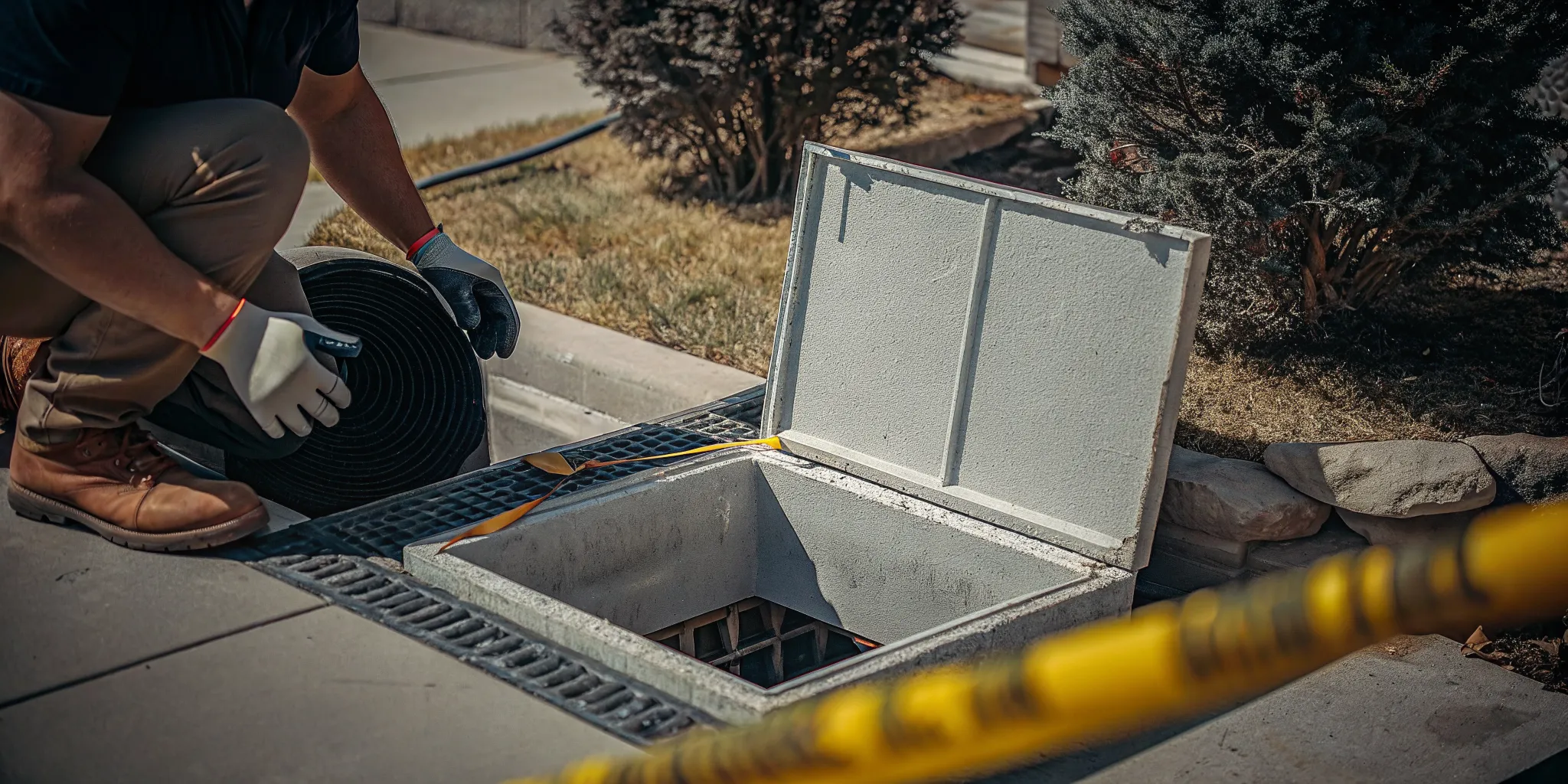
Stop running water, limit toilet flushing, and do not use chemical drain cleaners. Keep people and pets away from wastewater, and tell the technician when the backup started, where it appeared, and the last time the system was pumped.
Once you recognize a septic backup or overflow, the safest short-term response is to reduce what enters the system and keep everyone away from wastewater. These steps can limit additional stress while a technician assesses the tank, drain field, and connecting lines.
-
Stop running water
Turn off faucets and postpone every nonessential use of water. Do not run the dishwasher, washing machine, or shower. During an emergency such as flooding, the CDC recommends reducing water use to help protect the septic system. This matters even when the visible problem seems limited to one drain, because additional water can push a stressed tank or drain field closer to an overflow.
-
Limit toilet flushing
Flush only when necessary, and ask everyone in the home to follow the same rule. Limiting toilet flushing is specifically included in CDC guidance for septic emergencies. If sewage is already backing up through a toilet or floor drain, stop using that fixture completely and tell the technician exactly where the backup appeared.
-
Do not add chemical drain cleaners
A chemical drain opener is not a substitute for septic pumping or a professional diagnosis. Avoid pouring chemical drain cleaners, solvents, or other products into affected fixtures while you wait. They may not address a full tank or failed drain field, and they can create an additional handling hazard for the person opening the line or tank.
-
Keep people and pets away from affected areas
Block access to standing wastewater, soggy ground, overflowing cleanouts, and any indoor area contaminated by a backup. Keep children and pets away, and avoid touching the water. Untreated sewage can contaminate groundwater and surface water and may spread illness, so do not walk through it or attempt an extensive cleanup before the source is evaluated.
-
Prepare useful information for the technician
Locate the septic tank lid if you can do so safely, but do not dig into saturated soil or stand near an unstable tank area. Note the last time the system was pumped, recent symptoms such as slow drains or odors, and whether heavy rain preceded the problem. If you also have a drain backup, Conejo Bros can coordinate emergency drain backup services while identifying the underlying cause.
A well-maintained and properly constructed septic system is better able to withstand heavy rain and flooding, but an active overflow still requires prompt professional attention. Keep water use low until the system has been inspected and the technician gives you a safe next step.
When Does a Septic Emergency Become a Health Hazard?
A septic backup is more than an unpleasant household problem when wastewater reaches floors, soil, storm drains, or nearby surface water. Keep children and pets away from sewage and avoid direct contact while you arrange professional help. Do not attempt to wash contaminated areas into a drain or move through standing wastewater without appropriate guidance.
The U.S. Environmental Protection Agency explains that insufficiently treated sewage from septic systems can contaminate groundwater and spread disease in humans and animals. Contact with contaminated surface water may also pose risks such as eye and ear infections, acute gastrointestinal illness, and hepatitis. These risks are one reason a visible sewage overflow should be treated as an urgent sanitation concern, not simply a drainage inconvenience. The EPA’s septic maintenance guidance provides additional background on these hazards.
Heavy rain can turn a system problem into an overflow
Flooding and heavy rain can overwhelm septic and sewer systems, increasing the chance that untreated wastewater will overflow into a community or the surrounding environment. The Centers for Disease Control and Prevention recommends reducing water use during an emergency by limiting toilet flushing, dishwashing, laundry, and showers. That temporary step can reduce additional flow while you wait for an assessment. CDC guidance for septic systems during floods also notes that severe flooding can damage a tank, including causing it to collapse or float out of position.
Use a permitted local provider
Ventura County Environmental Health regulates septic systems and maintains a list of permitted septic pumper companies. Checking that a provider appears on the county’s list gives homeowners, property managers, and businesses a practical way to confirm they are contacting an appropriately permitted service. The county’s permitted septic pumper list is a useful reference when arranging emergency septic pumping in Ventura County.
If sewage is surfacing, fixtures are backing up, or flooding has affected the system, stop unnecessary water use and request a professional evaluation. Conejo Bros Plumbing serves Thousand Oaks, the Conejo Valley, and Ventura County with septic, drain, and sewer emergency support. Use the contact page to request service and explain what you are seeing.
Who Offers Fast 24/7 Emergency Septic Pumping in Ventura County?
Conejo Bros Plumbing provides fast 24/7 emergency septic pumping in Ventura County from its Thousand Oaks base. Serving the Conejo Valley, county-wide homeowners, property managers, and businesses with after-hours septic, drain, and sewer response.
Septic trouble does not follow business hours. A sewage backup, overflowing tank, or sudden loss of drainage can quickly affect bathrooms, living areas, landscaping, and neighboring property. Conejo Bros Plumbing provides a local 24/7 emergency response option for homeowners, property managers, businesses, and municipal clients across Ventura County and the Conejo Valley. The team is based in Thousand Oaks, so the first step is a focused conversation about what is happening, where it is occurring, and how much water the property is still using.
Assessment comes before the pump truck
Pumping may relieve an urgent condition, but it does not automatically identify why the system failed. Conejo Bros uses video and camera diagnostics to investigate the drain and sewer path before recommending the next step. That assessment can help distinguish a full tank from a blocked line, damaged pipe, root intrusion, or a larger system problem. It also helps prevent a temporary fix from concealing a failure that needs repair.
When you call, describe slow or backed-up fixtures, sewage in the yard, unusual odors, recent heavy rain, and any prior pumping or repair work. Limit water use until a professional gives you specific direction. If sewage is visible, keep children and pets away from the area and avoid direct contact.
Local response for urgent septic problems
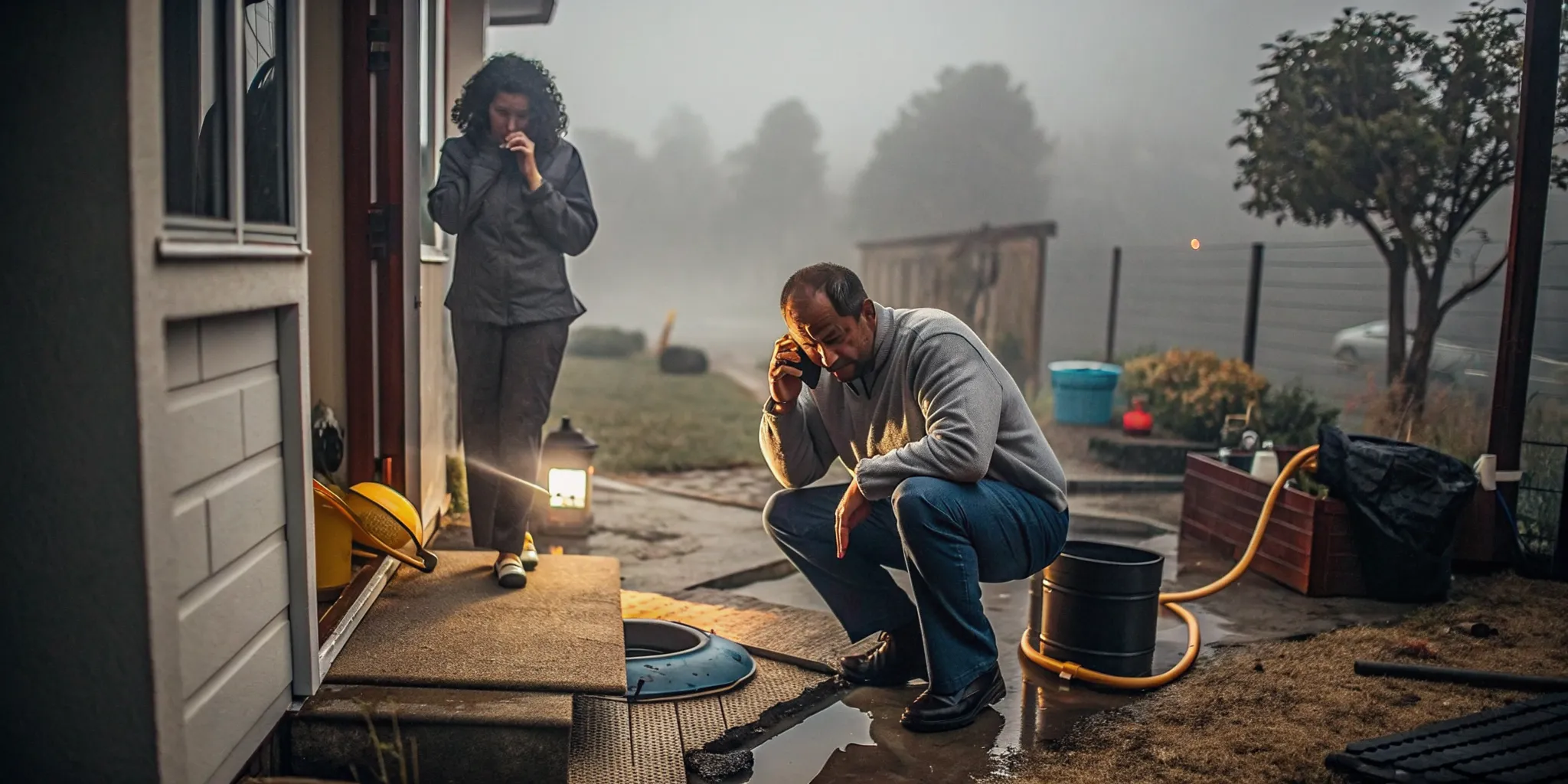
A 24/7 service model matters when wastewater is moving toward a home or commercial space. The response should be organized around containment, diagnosis, pumping when appropriate, and a clear explanation of what happens next. Conejo Bros serves the local area without promising a fixed arrival time, since traffic, access, weather, and the location of the emergency affect field scheduling.
For related drain backups that may not involve the septic tank, see the guide to emergency drain backup services. Keeping the distinction clear helps the technician bring the right diagnostic approach instead of treating every backup as a routine tank-pumping call.
Permits and proper disposal are part of the job
Septic pumping is not only about removing wastewater. Ventura County Environmental Health regulates septic activity and publishes a list of permitted septic pumper companies. You can review the county’s permitted septic pumper list when evaluating service providers. Ask what permits, access requirements, disposal procedures, or follow-up work apply to your situation.
For ongoing care after the emergency is controlled, review septic system maintenance frequency and learn how routine planning can reduce the chance of another after-hours failure. If you need a planned visit in the Moorpark area, our guide to professional septic pumping services covers the non-emergency side of the work.
What Does Emergency Septic Service Cost vs. Waiting?
Routine pumping commonly runs $250 to $500 every three to five years, while a failed conventional system can cost $5,000 to $15,000. Emergency pricing depends on tank size, access, and the cause, so a professional quote is the fastest way to compare acting now against waiting.
The least expensive septic decision is usually the one made before wastewater reaches the yard, floors, or groundwater. The U.S. Environmental Protection Agency notes that routine maintenance, including pumping, commonly costs $250 to $500 every three to five years. By comparison, repairing or replacing a failed conventional system can cost $5,000 to $15,000. Your actual price depends on tank size, site access, the cause of the failure, and the work required after an inspection.
| Action | Typical cost now | Cost if delayed |
|---|---|---|
| Routine pumping | About 250 to 500 dollars every 3 to 5 years | Overflow, backup, or avoidable emergency service |
| Emergency pumping | Service quote based on urgency, access, tank size, and wastewater volume | Additional cleanup, property damage, or health hazards |
| Drain field repair | Inspection and targeted repair, priced after the failure is located | Wider soil contamination or a system failure requiring replacement |
| Full septic replacement | Site-specific design, permitting, excavation, and installation quote | About 5,000 to 15,000 dollars for a failed conventional system, according to the EPA |
Why the maintenance schedule matters
Pumping every three to five years is a general starting point, not a universal rule. The right frequency depends on how many people use the home and the size of the septic tank. A larger household or smaller tank can require more frequent service. Tracking the last pump date and watching for slow drains, overflowing floor drains, or sewage outside can help you act before a routine visit becomes an emergency.
When waiting changes the job
Emergency pumping may address a full tank, but it does not automatically correct a damaged drain field, broken line, or displaced tank. Heavy rain and flooding can overwhelm septic systems and contribute to untreated wastewater overflow, according to the CDC guidance for septic systems. If wastewater is surfacing, reduce water use and arrange professional assessment promptly. The EPA septic maintenance guidance explains why regular care is less expensive than allowing a malfunctioning system to progress.
Need emergency septic pumping in Ventura County tonight? Contact Conejo Bros Plumbing now.
Frequently Asked Questions
What is considered a septic emergency?
A septic emergency includes sewage backing up into sinks, toilets, showers, or floor drains, sewage surfacing in the yard, or multiple fixtures draining slowly at once. Stop using water and arrange a professional assessment, especially when wastewater could contact people, pets, or nearby soil.
What are the signs I need emergency septic pumping?
Watch for slow-draining sinks or toilets, overflowing floor drains, sewage odors, unusually wet or spongy ground near the drainfield, or visible sewage outside the home. The CDC identifies slow drains, overflowing floor drains, and visible sewage as signs that a septic system is not working properly.
How long can a septic tank go without pumping?
There is no safe universal deadline because pumping frequency depends on household size, tank capacity, wastewater volume, and solids accumulation. The EPA says routine pumping is generally recommended every three to five years. But active backups or surfacing sewage require service now rather than waiting for a calendar date. EPA septic maintenance guidance explains the schedule and the factors that affect it.
What should I do while waiting for septic service?
Stop or sharply reduce water use. Do not flush toilets, run the dishwasher or washing machine, shower, or send other wastewater into the system. Keep children and pets away from standing wastewater, avoid contact with sewage, and tell the technician about recent flooding, backups, odors, and any known tank access location.
Are emergency septic pumping services available seven days a week in Ventura County?
Emergency septic assistance may be available seven days a week across Ventura County, including the Thousand Oaks and Conejo Valley areas. When you call, explain whether wastewater is inside the home, surfacing outdoors, or affecting a commercial property so the provider can determine the appropriate next step without promising a specific arrival time.
Ready to Book Emergency Septic Pumping?
When a septic problem is disrupting your home or property, a professional assessment can help identify the right next step before the situation spreads. Book emergency septic pumping service today by contacting Conejo Bros Plumbing through the contact page. Share what you are seeing, and the team can help you determine how to proceed.
